Industrial Cable Assemblies-Industrial Cable Assemblies factory
In industrial environments where extreme heat is a constant challenge—from steel foundries and glass manufacturing plants to aerospace engine compartments and nuclear power facilities—high temperature industrial cable assemblies are the unsung heroes that ensure reliable electrical signal transmission and power supply. For engineers, procurement specialists, and facility managers, understanding the temperature range these cable assemblies can withstand is not just a matter of technical curiosity but a critical factor in ensuring operational safety, system reliability, and long-term cost-effectiveness. This article delves into the typical temperature ranges of high temperature industrial cable assemblies, the materials that determine their heat resistance, and how application-specific factors influence their performance under extreme thermal conditions.
Unlike standard commercial cables that are designed for ambient temperatures up to 75°C or 90°C, high temperature industrial cable assemblies are engineered to operate in significantly hotter environments. While there is no universal “one-size-fits-all” temperature rating, the industry generally classifies these cables based on their maximum continuous operating temperature (MCO T)—the highest temperature at which the cable can function reliably for an extended period (typically 20,000 hours or more) without significant degradation of its insulation or sheath materials.
The most common temperature ratings for high temperature industrial cable assemblies fall into several key ranges:
The temperature range of a high temperature industrial cable assembly is primarily determined by the materials used in its conductor, insulation, and sheath. Each component plays a crucial role in ensuring the cable’s overall heat resistance and performance:
While copper is the most common conductor material due to its excellent electrical conductivity, pure copper can soften and lose mechanical strength at temperatures above 200°C. For higher temperature applications, nickel-plated copper or pure nickel conductors are preferred. Nickel has a higher melting point (1455°C) than copper (1085°C) and retains its strength at elevated temperatures. In extreme cases, silver-plated conductors may be used for their superior conductivity and heat resistance, though they come with a higher cost. For example, cables designed for 450°C operation often use nickel or nickel-plated copper conductors to ensure stable current transmission .
Insulation is the most critical component in determining a cable’s temperature rating, as it prevents short circuits and protects the conductor from environmental damage. Common high-temperature insulation materials include:
The sheath provides additional protection against mechanical damage, chemicals, and moisture. High-temperature sheathing materials include fiberglass braiding (rated up to 450°C), stainless steel (rated up to 760°C), and silicone rubber (rated up to 180°C). Stainless steel sheaths are particularly useful in corrosive and high-temperature environments, such as marine oil platforms and nuclear power plants .
While a cable assembly’s rated temperature is a key specification, several real-world factors can influence its actual performance in industrial environments. It is essential to consider these factors when selecting a cable to ensure it meets the application’s requirements:
Most temperature ratings refer to continuous operation. Many cables can withstand short-term temperature spikes above their rated limit for brief periods (minutes to hours) without permanent damage. For example, a silicone rubber cable rated for 180°C may tolerate 200°C for short durations during equipment startup or process fluctuations .
The ambient temperature of the installation environment affects the cable’s ability to dissipate heat. If a cable is installed in a confined space with poor ventilation, its effective temperature resistance may decrease. Conversely, good airflow can help the cable maintain its performance even near its rated temperature .
In industrial settings like chemical plants or oil refineries, cables may be exposed to corrosive gases, liquids, or vapors. These chemicals can degrade insulation and sheath materials, reducing their heat resistance. Fluoropolymer and stainless steel materials are preferred in such environments due to their chemical inertness .
Mechanical stress from vibration, bending, or abrasion can damage the cable’s insulation and sheath, compromising its heat resistance. In dynamic applications like industrial robots or automotive engine bays, flexible cables with reinforced insulation (e.g., silicone rubber with fiberglass braiding) are recommended .
Higher voltage and current loads generate more heat within the cable, which can increase its operating temperature. It is important to select a cable with a temperature rating that accounts for this additional heat generation to avoid insulation degradation .
Different industries have unique temperature challenges, requiring cable assemblies tailored to their specific needs. Below are some common industrial applications and their typical temperature requirements:
Steel mills and metallurgical plants operate at extremely high temperatures, with blast furnaces and continuous casting machines reaching 600°C or higher. Cables used here must withstand continuous temperatures of 250°C to 450°C and short-term exposure to molten metal splashes. Mineral-insulated cables and glass mica tape-insulated cables are commonly used in these environments .
Aerospace applications, such as aircraft engine compartments and rocket propulsion systems, require cables that can withstand temperatures up to 300°C to 700°C. PTFE-insulated cables and stainless steel-jacketed cables are preferred for their lightweight, high-temperature resistance, and resistance to aviation fuels and chemicals .
Refineries and chemical plants have high temperatures (200°C to 400°C) and corrosive environments. Fluoropolymer-insulated cables (PTFE, FEP) are ideal here due to their chemical inertness and heat resistance. Marine oil platforms also require cables that can withstand salt spray corrosion and 150°C or higher temperatures .
Solar energy systems, particularly photovoltaic (PV) inverters, generate temperatures up to 150°C. Cables used in these systems must be rated for at least 150°C and resistant to UV radiation. Wind turbines also require high-temperature cables for their generator systems, which operate at 125°C to 180°C .
Medical equipment like autoclaves operates at 134°C to 150°C, requiring cables that can withstand high-temperature steam. Food processing plants use high-temperature cables in baking ovens and sterilization equipment, which must meet food safety standards and withstand 150°C to 200°C .
Selecting the correct temperature rating for high temperature industrial cable assemblies involves a systematic assessment of your application’s requirements. Here are key steps to follow:
High temperature industrial cable assemblies are available in a wide range of temperature ratings, from 125°C to over 700°C, depending on the materials used and the application requirements. Understanding these temperature ranges, the materials that enable them, and the factors that influence real-world performance is critical for selecting a cable that ensures safety, reliability, and cost-effectiveness. Whether you are operating in a steel mill, aerospace facility, chemical plant, or renewable energy system, choosing the right high temperature cable assembly will help maintain system integrity and prevent costly downtime. By following the selection guidelines outlined in this article and consulting with industry experts, you can confidently select a cable that meets the unique thermal challenges of your industrial application.
Our factory offers high-quality products at competitive prices
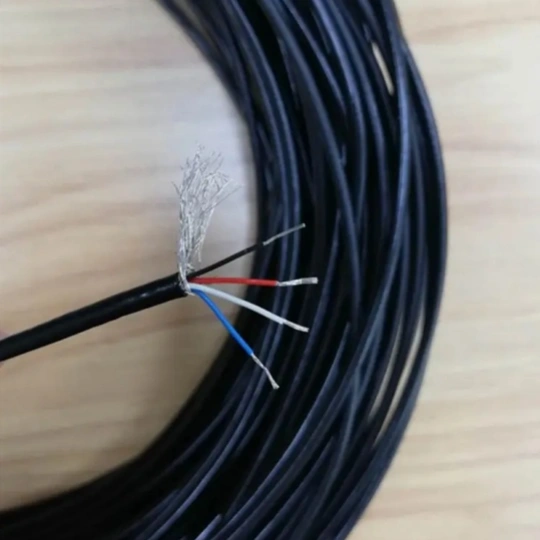
Ensure reliable power transmission and long-lasting performance in the harshest conditions with our High-Temperature Resistant Cable Accessories. Engineered to withstand extreme heat, these premium-grade accessories are designed to prote.
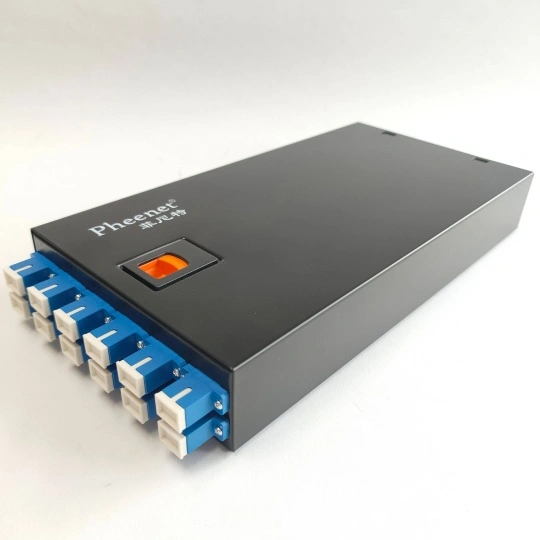
Product OverviewQuick-Install Cable Adapters are the game-changing connectivity solution designed for professionals and DIY enthusiasts alike. Engineered to eliminate installation hassles, these adapters provide instant, tool-free conne.
Feel free to reach out to us for any inquiries or orders.