Industrial Cable Assemblies-Industrial Cable Assemblies factory
Tidal energy is a predictable and clean form of renewable power, but its marine environment—with high salinity, strong currents, and constant vibration—demands cabling systems that go beyond standard industrial specs. This is where custom micro coaxial wire harnessesbecome critical for renewable energy industrial cable assemblies.
Standard cables often fail prematurely in tidal farms due to corrosion, water ingress, and flex-fatigue. In contrast, a purpose-built micro coaxial wire harness is engineered to ensure long-term reliability and performance in these harsh conditions.
Tidal farms, or groups of tidal stream generators, are essentially underwater wind farms. They use turbines in fast-moving tidal currents to generate electricity, which is then transmitted to shore via subsea cables and substations.
While the resource is predictable, the environment is punishing. Cables and connectors on turbine nacelles, hubs, and seabeds face a combination of challenges:
Generic industrial or marine cables are rarely designed to handle this specific combination of factors over a 20–30 year asset life. This is why leading renewable energy providers are turning to custom micro coaxial wire harnessesas a core part of their cable management strategy.
A micro coaxial cable is a very thin coax, often with an outer diameter of just 1 mm or less. It consists of a center conductor, dielectric, shielding, and an outer jacket. When these are integrated into a complete assembly with connectors, strain reliefs, and routing, it becomes a wire harness.
Key Characteristics:
In a tidal energy system, these harnesses are used for critical high-speed links, such as:
Off-the-shelf micro coax cables are designed for controlled environments like labs or consumer electronics. They are not suitable for the scale, complexity, and lifespan of a tidal farm project.
1. Precise Fit & Space Optimization
Every turbine platform has unique spatial constraints. Custom harnesses are designed to the exact bend radius, length, and connector orientation required, eliminating unnecessary slack and reducing points of failure.
2. Tailored Electrical Performance
Tidal applications often require specific impedance (e.g., 50 Ω or 75 Ω), frequency response, and shielding effectiveness. Custom designs ensure optimal signal integrity by matching the cable, connector, and termination for the application’s specific data rate and EMI environment.
3. Environmental Resilience
Standard PVC jackets fail quickly in seawater. Custom harnesses use materials proven in marine environments, such as cross-linked polyolefin (XLPO) or fluoropolymers, with robust jacketing and optional water-blocking tapes or gels for subsea use.
4. Integrated Strain Relief & Mechanical Protection
Turbine vibration and cable movement can cause connectors to loosen or cables to fatigue. Custom harnesses integrate strain reliefs, overmolding, and robust backshells to secure the connection and protect it from mechanical stress.
5. Simplified Installation & Maintenance
Pre-assembled, labeled, and tested custom harnesses arrive ready to install, significantly reducing on-site labor and the risk of wiring errors. This is a major advantage for projects with dozens of turbines in remote locations.
Designing a reliable custom micro coaxial wire harness involves a structured engineering process:
Tidal energy projects have high upfront costs, making reliability and low lifecycle costs paramount. Component failures can lead to expensive downtime and specialized vessel mobilization for repairs.
A failed micro coaxial harness on a subsea turbine can mean:
By using a custom, application-specific harness, you are making a long-term investment in:
In this context, a custom micro coaxial wire harnessis not an optional extra; it is a foundational element for a commercially viable tidal energy project.
Our factory offers high-quality products at competitive prices
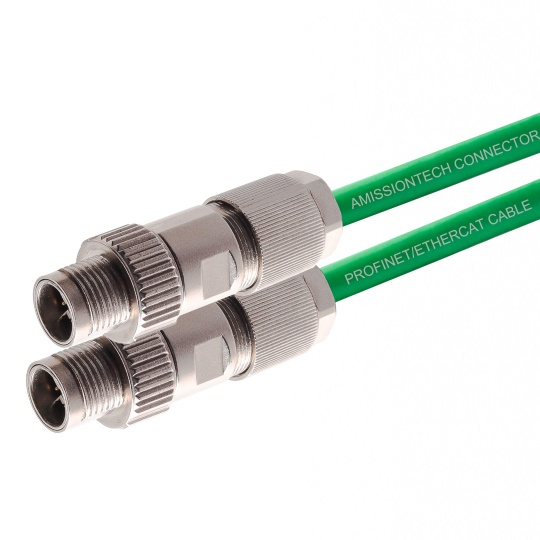
Industrial cable components are the backbone of reliable and efficient connectivity in industrial automation, robotics, and machinery. Engineered to withstand harsh environments while ensuring seamless data transmission and power delivery.
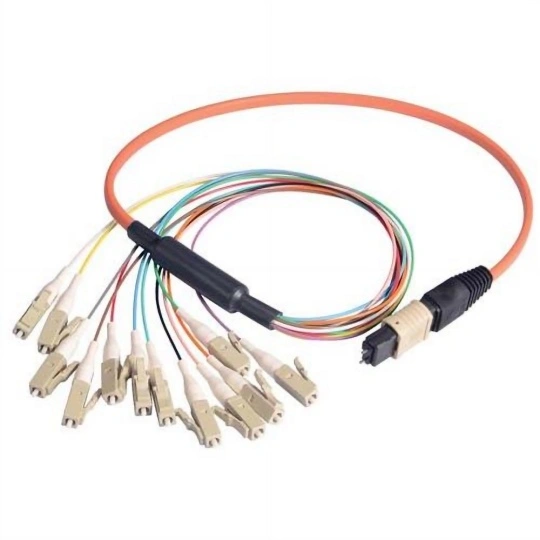
Heavy machinery cable assemblies are robust, high-performance connectivity solutions engineered to meet the demanding requirements of industrial and heavy-duty applications. Designed for durability, reliability, and optimal performance in.
Feel free to reach out to us for any inquiries or orders.