Industrial Cable Assemblies-Industrial Cable Assemblies factory
Introduction
Wind energy is a cornerstone of global renewable energy systems, with wind turbines operating in diverse environmental conditions. Among critical components, cables used in wind power systems—connecting turbines, transformers, and grids—are exposed to harsh environmental stressors. Understanding how temperature fluctuations, humidity, UV radiation, chemical exposure, and mechanical stress degrade cable materials is vital for optimizing performance, longevity, and safety. This article explores the environmental impacts on wind power cable components and strategies to mitigate these challenges.
Wind turbines operate in regions with extreme temperature variations, from scorching deserts to freezing Arctic zones. Cables endure repeated thermal cycling, causing expansion and contraction of insulation and conductive materials.
Solutions: Use materials with high thermal stability, such as ethylene propylene rubber (EPR) or silicone-based insulators. Implementing active cooling systems or heat-resistant jacketing can also mitigate thermal stress.
Offshore and coastal wind farms face high humidity and saltwater exposure. Moisture ingress into cable sheaths triggers corrosion of metallic components (conductors, armor) and causes insulation swelling.
Solutions: Employ moisture-blocking designs, such as laminated aluminum sheaths or hydrophobic insulation materials. Corrosion-resistant coatings (e.g., zinc-nickel alloys) protect conductors in offshore setups.
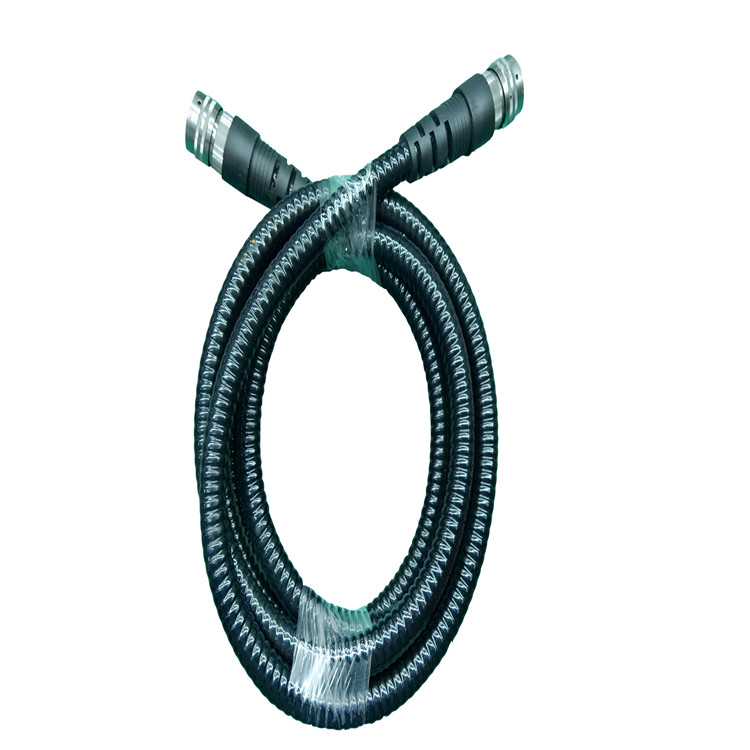
Cables in above-ground or rooftop wind installations are exposed to ultraviolet (UV) radiation, which breaks down the molecular structure of polymer jackets.
Solutions: UV-stabilized materials like thermoplastic polyurethane (TPU) or carbon-black-infused polymers enhance UV resistance. Regular inspections and protective conduit installations further shield cables.
Industrial or agricultural areas may expose cables to chemicals (e.g., fertilizers, oils) or abrasive particles (sand, dust). These contaminants erode protective layers and accelerate aging.
Solutions: Chemical-resistant materials like chlorinated polyethylene (CPE) or polytetrafluoroethylene (PTFE) are ideal for high-risk environments. Abrasion-resistant armoring (steel wire or aramid yarn) adds durability.
Wind turbine cables endure constant vibration from rotor movement and frequent flexing during turbine alignment (yaw/pitch systems). Over time, this leads to:
Solutions: Flexible cable designs with stranded conductors and high-elasticity insulation (e.g., rubber) minimize fatigue. Proper cable management, including tension relief loops, reduces stress concentrations.
Rodents, birds, and insects may damage cables in onshore installations. Additionally, microbial growth in humid environments can degrade organic materials.
Solutions: Armored jackets or rodent-repellent additives (e.g., capsaicin) deter wildlife. Antimicrobial coatings prevent fungal or bacterial growth.
Our factory offers high-quality products at competitive prices
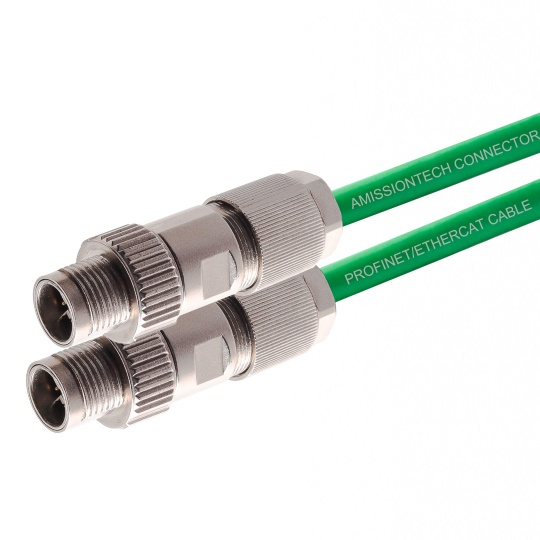
Industrial cable components are the backbone of reliable and efficient connectivity in industrial automation, robotics, and machinery. Engineered to withstand harsh environments while ensuring seamless data transmission and power delivery.
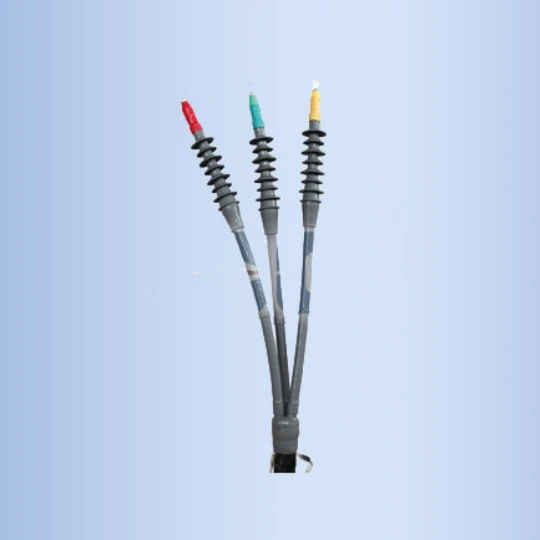
When it comes to electrical systems operating under extreme mechanical and electrical stress, high-load cable terminations are critical components that ensure seamless power transmission, safety, and system longevity. Engineered to .
Feel free to reach out to us for any inquiries or orders.