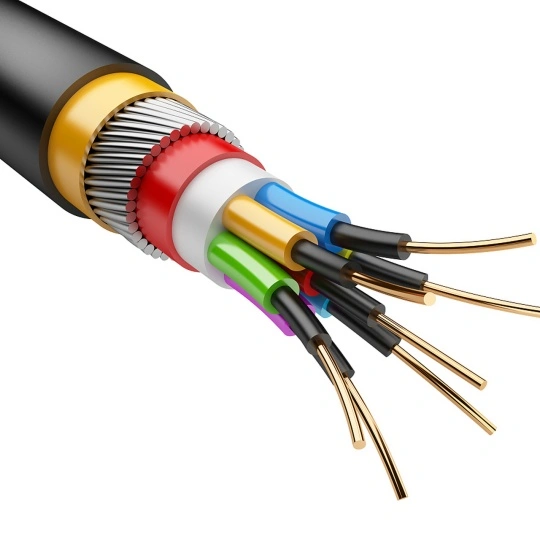
Industrial Cable Assemblies factory

Industrial Cable Assemblies factory

Industrial Cable Assemblies-Industrial Cable Assemblies factory

INFO

When designing or upgrading electronic systems, industrial machinery, or communication networks, selecting the right cable assembly is critical. A poorly chosen cable assembly can lead to system failures, safety risks, and costly downtime. To help you navigate this complex process, we’ve created a ​step-by-step guide to cable assembly selection, focusing on key criteria that ensure reliability, performance, and cost-effectiveness.


Why Cable Assembly Selection Matters

Cable assemblies are the lifelines of electrical and electronic systems, transmitting power, signals, and data. Choosing the wrong type can result in:

  • Signal loss or interference
  • Overheating and fire hazards
  • Reduced system lifespan
  • Compliance violations

Whether you’re working on automotive systems, aerospace applications, medical devices, or industrial automation, following a structured selection process is essential.
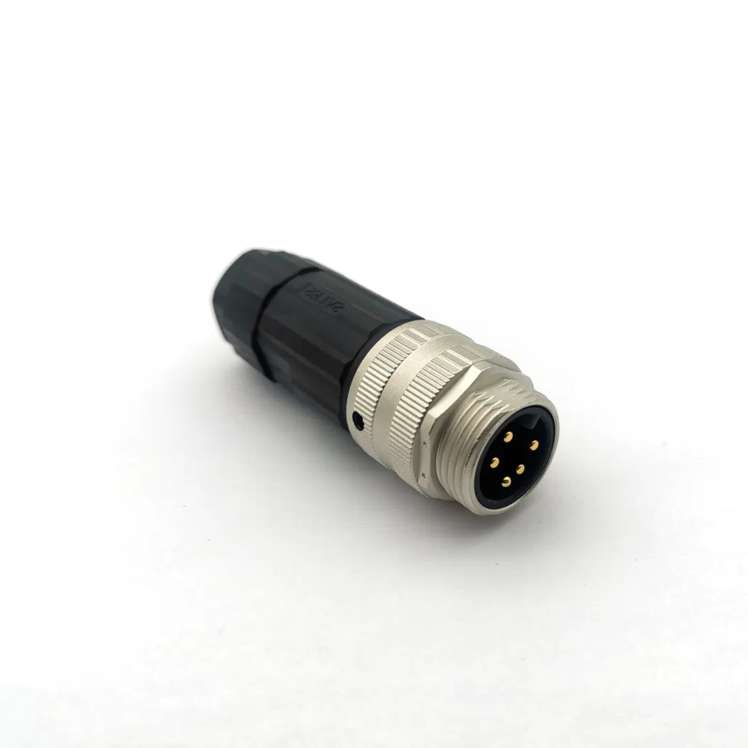
 Cable Assembly

Step 1: Define Your Application Requirements

Start by understanding the specific demands of your project:

  1. Environmental Conditions
    • Temperature: Will the assembly operate in extreme heat or cold (e.g., automotive engines or Arctic environments)?
    • Moisture and Chemicals: Is exposure to water, oils, or corrosive substances likely?
    • Flexibility and Durability: Will the assembly face constant bending (e.g., robotics) or abrasion (e.g., mining equipment)?
  2. Electrical Requirements
    • Voltage and Current Ratings: Ensure the assembly can handle peak loads without overheating.
    • Signal Integrity: For high-frequency applications (e.g., 5G networks), prioritize low-loss cables with EMI/RFI shielding.
  3. Regulatory Compliance
    • Industry-specific standards (e.g., UL, ISO, MIL-SPEC, or RoHS) may dictate material and design choices.

Step 2: Choose the Right Materials

Cable performance hinges on material selection:

  • Conductors:
    • Copper (standard for conductivity) vs. Aluminum (lightweight, cost-effective).
    • Silver-plated copper for high-frequency applications.
  • Insulation and Jacketing:
    • PVC: Affordable and flexible but unsuitable for extreme temperatures.
    • Teflon (PTFE): Resists heat, chemicals, and abrasion.
    • Silicone: Ideal for high-temperature environments (>200°C).
  • Shielding:
    • Foil shielding for basic EMI protection.
    • Braided shielding for heavy industrial interference.

Step 3: Evaluate Connector Types

Connectors ensure secure and efficient connections:

  • Circular Connectors: Robust for industrial and military use.
  • Rectangular Connectors: Common in consumer electronics and automotive systems.
  • Fiber Optic Connectors: Essential for high-speed data transmission.

Key Considerations:

  • IP rating for dust/water resistance.
  • Locking mechanisms to prevent accidental disconnection.

Step 4: Prioritize Customization

Off-the-shelf solutions rarely meet specialized needs. Work with manufacturers offering:

  • Custom lengths, colors, and labeling.
  • Tailored shielding and jacketing.
  • Compliance with industry-specific certifications.

Step 5: Assess Supplier Reliability

A reputable supplier ensures quality and consistency:

  • Certifications: Look for ISO 9001, IATF 16949 (automotive), or AS9100 (aerospace).
  • Testing Protocols: In-house testing for continuity, impedance, and environmental resistance.
  • Lead Times and Support: Choose suppliers with technical expertise and responsive customer service.

Step 6: Factor in Total Cost of Ownership (TCO)

Avoid focusing solely on upfront costs. Consider:

  • Longevity and maintenance requirements.
  • Downtime costs from premature failures.
  • Energy efficiency (e.g., reduced power loss with high-quality conductors).

Step 7: Validate with Prototyping

Before full-scale production, test prototypes under real-world conditions. Check for:

  • Signal degradation.
  • Physical wear and tear.
  • Compliance with safety standards.

Common Mistakes to Avoid

Choosing Price Over Quality: Cheap assemblies often result in higher long-term costs.

Ignoring Bend Radius: Overlooking this can lead to cable damage in tight spaces.

Underestimating Environmental Stress: Harsh conditions require specialized materials.

FAQ

NEWS

More Products

Our factory offers high-quality products at competitive prices
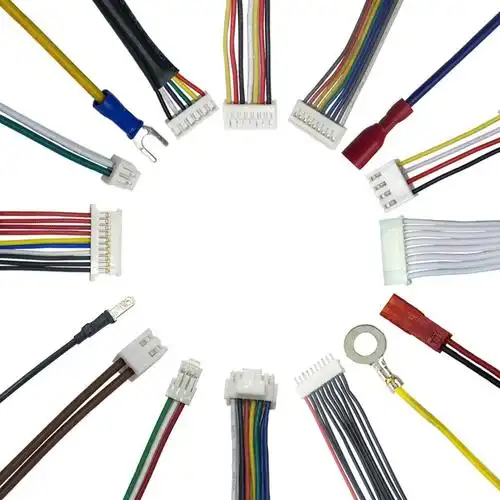
Heavy machinery cable assemblies

Heavy machinery cable assemblies

Heavy machinery cable assemblies are robust, high-performance connectivity solutions engineered to meet the demanding requirements of industrial and heavy-duty applications. Designed for durability, reliability, and optimal performance in.

Corrosion-Resistant Cable Connectors | Durable & Weatherproof Solutions

Corrosion-Resistant Cable Connectors | Durable & Weatherproof Solutions

Corrosion-Resistant Cable Connectors: Reliable Connectivity for Harsh Environments Ensure uninterrupted performance in the toughest conditions with our ​corrosion-resistant cable connectors. Designed for durability and longevity, these.

Contact Us

Feel free to reach out to us for any inquiries or orders.

Call Us

Have a question? Give us a call!

+861881875005

Email Us

Send us an email and we'll get back to you soon.

sales@custom-cable-assemblies.com
       
Home Products Contact