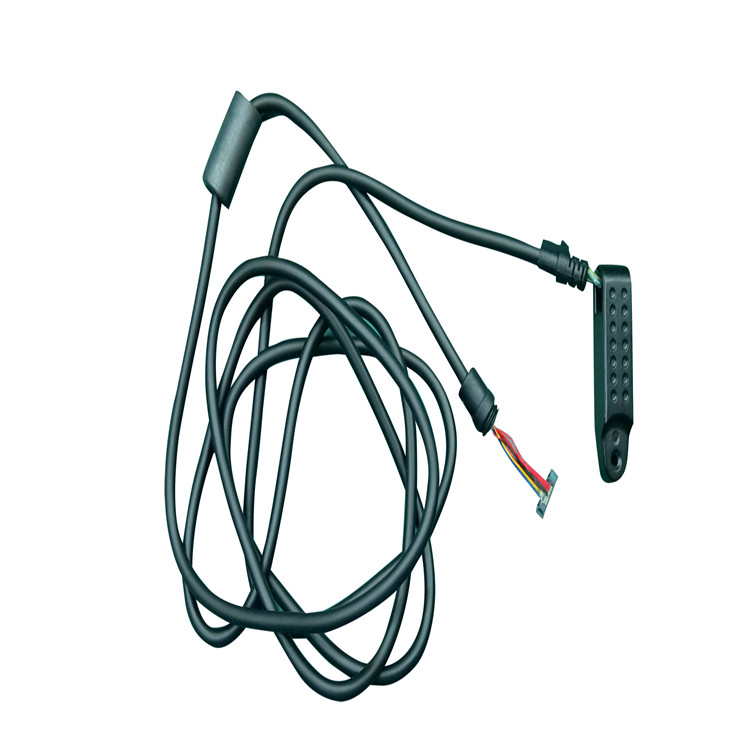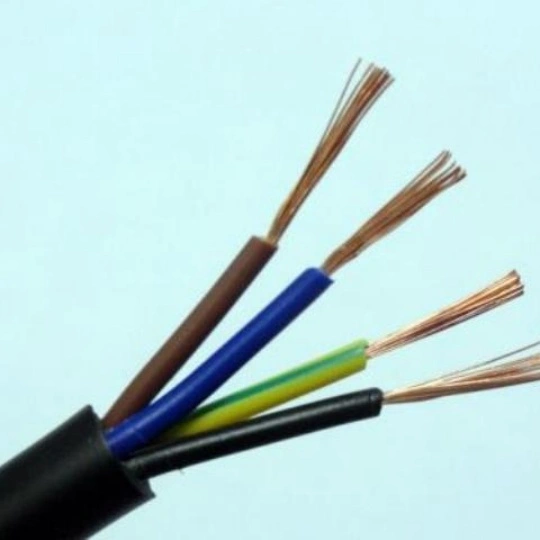
Industrial cable assemblies are the unsung heroes of modern manufacturing, automation, and infrastructure. They power machinery, transmit critical data, and ensure seamless connectivity in harsh environments. However, selecting the right cable assembly—custom or standard—can significantly impact operational efficiency, safety, and costs. This article explores the differences, advantages, and ideal use cases for custom and standard industrial cable assemblies, empowering businesses to make informed decisions.
Understanding Standard Industrial Cable Assemblies
Standard cable assemblies are pre-designed, mass-produced solutions built to meet common industry requirements. These “off-the-shelf” products are widely available and adhere to established specifications for length, connectors, shielding, and materials.
Advantages of Standard Cable Assemblies
Cost-Effective: Mass production reduces per-unit costs, making standard assemblies budget-friendly for businesses with straightforward needs.
Quick Availability: Since they’re stocked by suppliers, standard cables can be shipped immediately, minimizing downtime.
Proven Reliability: These assemblies are tested across diverse applications, ensuring compliance with industry standards (e.g., UL, RoHS, or IEC).
Simplified Procurement: No need for lengthy design or testing phases—simply select from a catalog.
Limitations of Standard Assemblies
Limited Flexibility: They may not fit unique spatial constraints or specialized performance requirements.
Compromised Performance: In extreme conditions (e.g., high temperatures, corrosive environments), standard cables might underperform.
Excess Waste: Using longer cables than needed can lead to clutter, maintenance challenges, or signal interference.
Custom cable assemblies are engineered to meet precise specifications, tailored to unique operational needs. From aerospace to oil and gas, industries with demanding conditions often rely on bespoke solutions.
Projects requiring future-proofing or scalability.
Key Factors to Guide Your Decision
Application Requirements:
Will the cables face extreme temperatures, moisture, or vibrations? → Custom.
Are you replacing an existing, non-critical component? → Standard.
Budget Constraints:
Tight budget with immediate needs? → Standard.
Higher upfront costs justified by long-term ROI? → Custom.
Timeline:
Need a solution within days? → Standard.
Can accommodate a design phase? → Custom.
Scalability:
Planning to expand operations? Custom designs ensure consistency across future installations.
Regulatory Compliance:
Industries like automotive or aerospace often require certified custom solutions.
Real-World Examples
Data Centers: Hyperscale facilities often choose custom-length fiber optic cables to optimize airflow and cooling efficiency.
Automotive Manufacturing: A plant upgraded to custom shielded cables to eliminate EMI interference from robotic welders, reducing errors by 30%.
Renewable Energy: A solar farm used standard UV-resistant cables for routine connections but opted for custom waterproof assemblies in flood-prone areas.
When it comes to industrial operations, the performance and safety of every component matter—and industrial cables are no exception. One critical specification that directly impacts a cable’s reliability, lifespan, and ability to functi...
Industrial cable systems form the lifeline of modern manufacturing, energy, and infrastructure operations. These complex networks of power, control, and data cables ensure seamless transmission of electricity, signals, and information a...
In the fields of electricity transmission and equipment connection, industrial cables and power cords are two common products, but their functional positioning, application scenarios, and performance requirements differ significantly. F...
Tidal energy is a predictable and clean form of renewable power, but its marine environment—with high salinity, strong currents, and constant vibration—demands cabling systems that go beyond standard industrial specs. This is where cust...
When it comes to purchasing an industrial cable, making the right choice is crucial for ensuring safety, efficiency, and longevity in your operations. Industrial cables are designed to withstand harsh environments, handle heavy electric...
The choice between copper and aluminum as conductive materials for cables has shaped the electrical and telecommunications industries for decades. As technology evolves and sustainability becomes a priority, understanding the properties...
Industrial environments demand reliable connectivity, but high humidity poses a unique and persistent threat to cable assemblies. Understanding why these failures occur is crucial for selecting the right components and ensuring uptime, ...
In the complex landscape of industrial automation and machinery, industrial connectors serve as the vital link between various components, ensuring seamless data and power transmission. However, their performance is heavily reliant on a...
Cross-Linked Polyethylene Insulated Cable, commonly referred to as XLPE cable, is a pivotal component in modern electrical power transmission and distribution systems. Unlike traditional cables insulated with polyethylene (PE) or polyvi...
High-speed interconnects inside modern laptops, docks, and expansion devices increasingly rely on micro coaxial cable assemblies to carry USB4’s multi‑protocol, high‑bandwidth signals with stability and repeatability. This article expla...
In industrial settings, where machinery, electrical systems, and human operators interact closely, the voltage rating of industrial cables is far more than a technical specification—it is a fundamental safeguard against catastrophic acc...
In the realm of military – grade connectors, gold plating is a crucial surface treatment. Gold plating offers excellent electrical conductivity, corrosion resistance, and wear resistance, making it ideal for applications where rel...
Low-smoke industrial cables are specialized electrical cables designed to minimize risks in critical environments where fire safety and operational continuity are paramount. Their key features address the unique challenges of industrial...
Cable safety standards are critical regulations ensuring the reliable and safe operation of electrical systems. These standards govern the design, manufacturing, installation, and maintenance of cables to prevent hazards like electrical...
In industries where equipment faces frequent exposure to water, chemicals, or rigorous cleaning processes, washdown-ready cable assemblies are critical for ensuring reliability, safety, and compliance. These specialized cables are desi...
In the relentless pursuit of efficiency and cost-saving within automotive manufacturing, the temptation to use cheaper, non-compliant industrial cable assemblies can arise. This is a dangerous gamble with serious consequences. Understan...
Industrial cable assemblies are the lifelines of modern marine operations. In the unforgiving environment of the open sea, where saltwater corrosion, constant moisture, extreme temperatures, and mechanical stress are daily challenges, t...
In the heavy machinery industry, industrial cables serve as the “nervous system” and “energy pipeline” of equipment, connecting power sources, control systems, and execution components. Whether it is construction...
In the complex ecosystem of industrial operations, wire connectors for industrial cables serve as the unsung heroes that ensure seamless and reliable electrical connectivity. These small yet critical components are responsible for joini...
In the ever-evolving landscape of modern technology, the demand for smaller, more efficient, and high-performance components has never been greater. This is particularly true in applications where space is at a premium, such as in aeros...
IntroductionAs global industries face mounting pressure to reduce carbon footprints, the cable manufacturing sector is undergoing a transformative shift. The rise of carbon-neutral cable factories marks a critical milestone in sustainab...
Selecting the right jacket material for industrial cable assemblies is critical. It directly impacts performance, longevity, and safety in demanding environments. PVC (Polyvinyl Chloride) and TPE (Thermoplastic Elastomer) are two leadin...
In demanding industrial environments, reliable interconnections are not optional—they are the backbone of your system’s performance and safety. Industrial Cable Assembliesencompass a wide range of engineered cable and wire harness solut...
FRS specializes in providing industrial-grade Ethernet cable assemblies for PLCs, robots, HMIs, and Industry 4.0 equipment. Our robust components merge standard Ethernet principles with durable connectors, making them ideal for automate...
In industrial automation, Programmable Logic Controllers (PLCs) serve as the “brain” of control systems, orchestrating machinery, processes, and data flow across factories. Yet, even the most advanced PLCs depend entirely on...
Introduction
In heavy industries like steel manufacturing, unexpected downtime can cost thousands per minute. XYZ Steel Plant recently achieved a 37% reduction in production interruptions by implementing custom-engineered cables – a ...
Understanding Industrial Cable Model Naming ConventionsIndustrial cable models follow standardized codes indicating their construction, materials, and capabilities. Key elements include:
Conductor type: CU (copper), AL (aluminum...
The Invisible Crisis
While most consumers worry about plastic bottles and food packaging, discarded cables quietly become one of fastest-growing waste streams. A 2025 Global E-Waste Monitor report reveals that cable waste increased b...
The New Generation of Connected Cables
Major manufacturers (Prysmian, Nexans) and startups (BondWire, NanoCable Tech) are embedding sensors directly into cable structures. These IoT-enabled cables continuously monitor:
Real-time ...
In high-throughput industrial automation, even a few minutes of unplanned downtime can cost thousands of dollars. For robotics cells, the weakest link is often not the robot itself, but the industrial automation cable assembliesthat pow...
When it comes to electrical systems, choosing the right cables is critical for safety, efficiency, and performance. High-voltage (HV) and low-voltage (LV) cables serve distinct purposes, and understanding their differences is essential...
Industrial cables are the lifeline of electrical systems in various industrial sectors, ranging from manufacturing plants and power generation facilities to oil refineries and transportation networks. Their role in transmitting electric...
In food processing plants, maintaining stringent hygiene standards is non-negotiable. Equipment must withstand rigorous sanitation protocols, including high-pressure washdowns, extreme temperatures, and exposure to corrosive chemicals. ...
IntroductionIn a landmark move to enhance fire safety across industries, international regulatory bodies have introduced updated Global Fire-Resistant Cable Standards. These standards aim to minimize fire risks, improve electrical safe...
Wind power systems operate in some of the planet’s most challenging environments—offshore platforms, deserts, mountainous regions, and icy tundras. These conditions demand robust infrastructure, and cable assemblies are no exception. As...
Signal crosstalk – unwanted signal coupling between adjacent wires – wreaks havoc in industrial automation, causing data errors, measurement inaccuracies, and erratic equipment behavior. Here’s how to prevent it in your multi-conductor ...
When designing or upgrading systems that rely on cable assemblies, engineers and procurement teams often face a critical choice: customized or standardized solutions. Both options have distinct advantages, but understanding their diffe...
Meta Description: Discover the ultimate Protective Cable Kit designed to safeguard your cables from wear, tangles, and damage. Perfect for home, office, and industrial use. Shop now for long-lasting cable management!
Protecti.
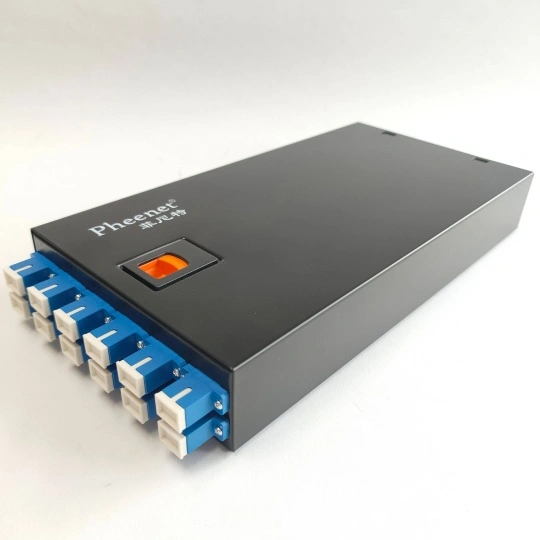
Industrial cable components are the backbone of reliable and efficient connectivity in industrial automation, robotics, and machinery. Engineered to withstand harsh environments while ensuring seamless data transmission and power delivery.
Contact Us
Feel free to reach out to us for any inquiries or orders.