Industrial Cable Assemblies-Industrial Cable Assemblies factory
When it comes to electrical systems, choosing the right cables is critical for safety, efficiency, and performance. High-voltage (HV) and low-voltage (LV) cables serve distinct purposes, and understanding their differences is essential for engineers, contractors, and even DIY enthusiasts. In this article, we’ll break down the key distinctions between high-voltage and low-voltage cables, their applications, construction, and safety considerations to help you make informed decisions.
The most obvious difference lies in their voltage capacity, defined by international standards like IEC 60038:
Why it matters: Using an LV cable for high-voltage applications risks insulation failure, fires, or equipment damage, while HV cables are overkill (and costly) for low-voltage needs.
The design of HV and LV cables reflects their operational demands:
Key takeaway: HV cables are built for durability and electrical stability, while LV cables focus on flexibility and cost-effectiveness.
Pro tip: Always check local regulations (e.g., NEC in the U.S. or IEC standards globally) to ensure compliance with voltage-specific requirements.
Handling HV and LV cables demands different safety protocols:
Safety first: Never substitute HV cables for LV systems (or vice versa) without consulting an expert.
Budget tip: For LV applications, prioritize flame-retardant or moisture-resistant options to extend cable life.
Ask these questions:
Q: Can I use a low-voltage cable for high-voltage applications temporarily?
A: No. Insulation breakdown can occur instantly, posing severe safety risks.
Q: How do I identify HV vs. LV cables?
A: Check markings on the cable jacket. HV cables often list voltage ratings (e.g., 11 kV), while LV cables may show AWG sizes (e.g., 12/3).
Q: Are HV cables always thicker than LV cables?
A: Not necessarily. While HV cables have thicker insulation, LV cables with high current ratings (e.g., 500 MCM) may have larger conductors.
Our factory offers high-quality products at competitive prices
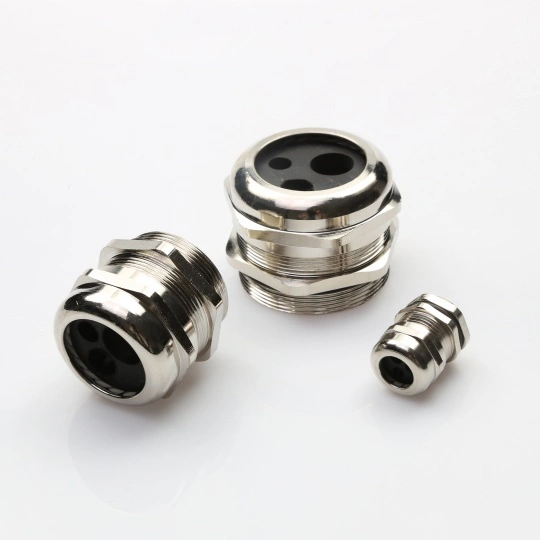
Corrosion-Resistant Cable Connectors: Reliable Connectivity for Harsh Environments Ensure uninterrupted performance in the toughest conditions with our corrosion-resistant cable connectors. Designed for durability and longevity, these.
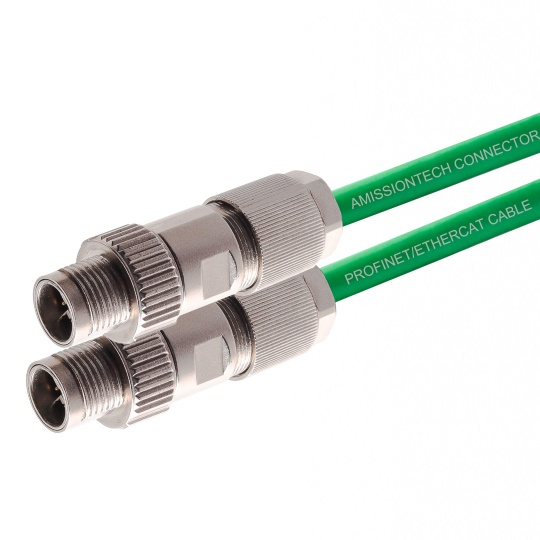
Industrial cable components are the backbone of reliable and efficient connectivity in industrial automation, robotics, and machinery. Engineered to withstand harsh environments while ensuring seamless data transmission and power delivery.
Feel free to reach out to us for any inquiries or orders.