
Industrial Cable Assemblies-Industrial Cable Assemblies factory
Medical device cable assemblies are critical components in healthcare settings, connecting vital equipment such as patient monitors, imaging systems, ventilators, and surgical tools. These cables must maintain flawless performance to ensure patient safety, accurate data transmission, and compliance with stringent regulatory standards (e.g., IEC 60601-1, FDA guidelines). However, daily use in high-stress environments—combined with frequent cleaning, bending, and exposure to fluids—can lead to wear and failure.
Why Proper Cable Care Matters
Faulty or degraded cables in medical devices can result in:
Inaccurate readings: Signal interference or breaks disrupt data from ECG leads, ultrasound probes, or sensors.
Equipment downtime: Unexpected failures delay critical procedures.
Infection risks: Damaged cables with cracks or pores harbor pathogens.
Safety hazards: Exposed wires risk electric shocks or short circuits.
Key Daily Use Guidelines
1. Cleaning and Disinfection
Use Approved Agents: Clean cables only with hospital-grade disinfectants compatible with the jacket material (e.g., 70% isopropyl alcohol for silicone, bleach wipes for PVC). Avoid abrasive chemicals that degrade polymers.
Avoid Submersion: Unless cables are IP67/IP68-rated, never immerse connectors or junctions in liquid.
Gentle Wiping: Use soft, lint-free cloths to prevent scratching surfaces.
2. Mechanical Stress Prevention
Avoid Sharp Bends: Maintain the manufacturer’s specified bend radius (e.g., 10x cable diameter) to prevent conductor fractures.
Secure Strain Relief: Ensure connectors are firmly attached, and avoid tugging cables to unplug devices.
Prevent Pinching: Route cables away from equipment hinges, wheels, or closing doors.
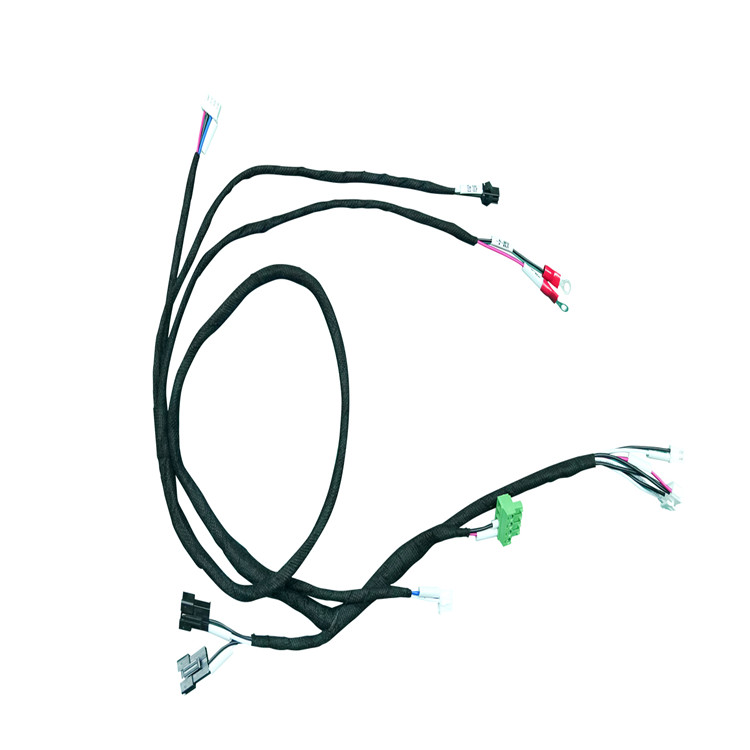
3. Storage and Handling
Coil Loosely: Store cables in loose loops rather than tight coils to avoid kinking.
Use Cable Organizers: Hang cables on hooks or use Velcro straps to prevent tangling.
Control Temperature: Store in dry, climate-controlled areas (15°C–30°C) to prevent jacket cracking or softening.
4. Electrical Safety Checks
Inspect for Damage: Before each use, check for frayed wires, exposed conductors, or cracked connectors.
Test Continuity: Use a multimeter to verify signal integrity if intermittent faults are suspected.
Replace Worn Parts: Discard cables showing stiffness, discoloration, or loose connectors immediately.
5. Compatibility and Labeling
Verify Device-Specific Use: Never interchange cables between devices (e.g., MRI-compatible vs. standard cables).
Label Clearly: Mark cables with color codes or tags to prevent misuse and streamline inventory management.
Regulatory and Compliance Considerations
IEC 60601-1: Ensures cables meet electrical safety and electromagnetic compatibility (EMC) standards.
FDA 21 CFR Part 806: Mandates reporting of cable-related device malfunctions.
ISO 13485: Requires documented maintenance protocols for medical device components.
Case Study: Ultrasound Probe Cable Failure
A hospital’s ultrasound department faced recurring probe cable failures due to improper cleaning with hydrogen peroxide, which degraded the silicone jackets. After adopting:
Daily cleaning with alcohol-based wipes.
Strain relief clips to reduce bending near connectors.
Monthly continuity testing,
cable replacement costs dropped by 60%, and diagnostic accuracy improved.
Our factory offers high-quality products at competitive prices
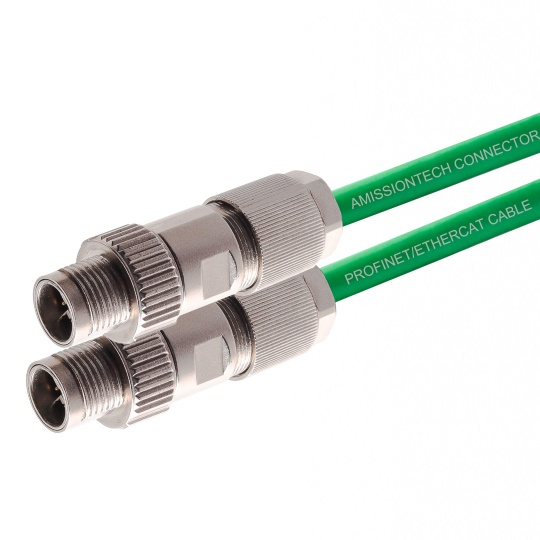
Industrial cable components are the backbone of reliable and efficient connectivity in industrial automation, robotics, and machinery. Engineered to withstand harsh environments while ensuring seamless data transmission and power delivery.
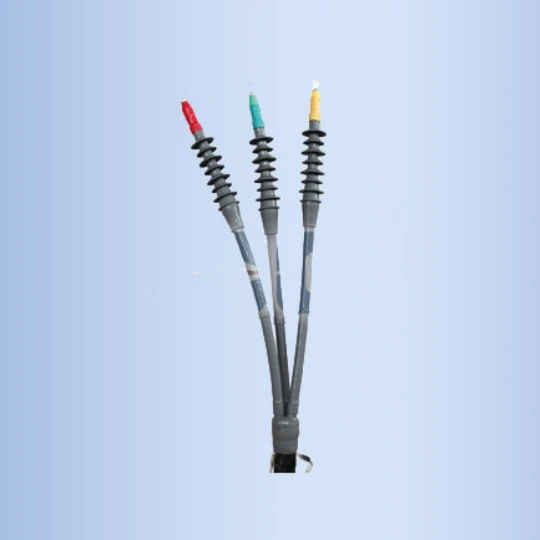
When it comes to electrical systems operating under extreme mechanical and electrical stress, high-load cable terminations are critical components that ensure seamless power transmission, safety, and system longevity. Engineered to .
Feel free to reach out to us for any inquiries or orders.