Industrial Cable Assemblies-Industrial Cable Assemblies factory
Outdoor environments pose unique challenges for cable assemblies, from extreme weather conditions to mechanical stress and environmental contaminants. Whether for solar farms, industrial automation, telecommunications, or urban infrastructure, selecting the right outdoor-rated cable assemblies is critical to ensuring long-term reliability and safety.
UV Resistance:
Jacket Materials: Use UV-stabilized polyethylene (PE) or cross-linked polyethylene (XLPE) to prevent cracking and degradation.
Certifications: Look for UL 4703 (photovoltaic cables) or IEC 60754-1 (low smoke halogen-free).
Temperature Extremes:
Operating Range: Cables should perform in temperatures from -40°C to 90°C or higher (e.g., silicone jackets for -60°C to 200°C).
Thermal Cycling: Ensure materials retain flexibility after repeated expansion/contraction.
Moisture and Water Ingress:
Waterproofing: Gel-filled cables or moisture-blocking tapes (e.g., 3M 2228) for underground conduits.
IP Ratings: IP67/IP68 connectors for submersion resistance in flood-prone areas.
Case Study: A solar farm in Arizona reduced cable replacements by 40% after switching to UV-resistant XLPE-jacketed cables rated for 105°C.
2. Mechanical Durability
Outdoor cables face physical stresses from wind, debris, and installation practices:
Abrasion Resistance:
Jacket Materials: Thermoplastic polyurethane (TPU) or armored cables (steel wire braid) for rocky terrain.
Drag Chain Compatibility: PUR jackets for cables used in moving machinery or robotic systems.
Crush and Impact Resistance:
Armored Designs: Steel or aluminum tape armor (e.g., SWA cables) for underground burial.
Rodent Protection: Metal conduit or rodent-resistant jackets (e.g., metalized PET tape).
Flexibility:
Stranded Conductors: IEC 60228 Class 5/6 for repeated bending in wind turbines or retractable systems.
3. Chemical and Corrosion Resistance
Industrial and coastal environments expose cables to corrosive substances:
Oil and Chemical Exposure:
Chloroprene (CR) or Hypalon Jackets: Resistant to oils, acids, and alkalis in refineries.
Saltwater Corrosion:
Tinned Copper Conductors: Prevent oxidation in marine or coastal installations.
Stainless Steel Connectors: Replace plated brass in offshore wind farms.
Pollution and Dust:
Sealed Connectors: IP69K-rated M12 connectors for high-pressure washdowns.
Example: A desalination plant in Saudi Arabia extended cable lifespan by 60% using CR-jacketed cables with stainless steel gland fittings.
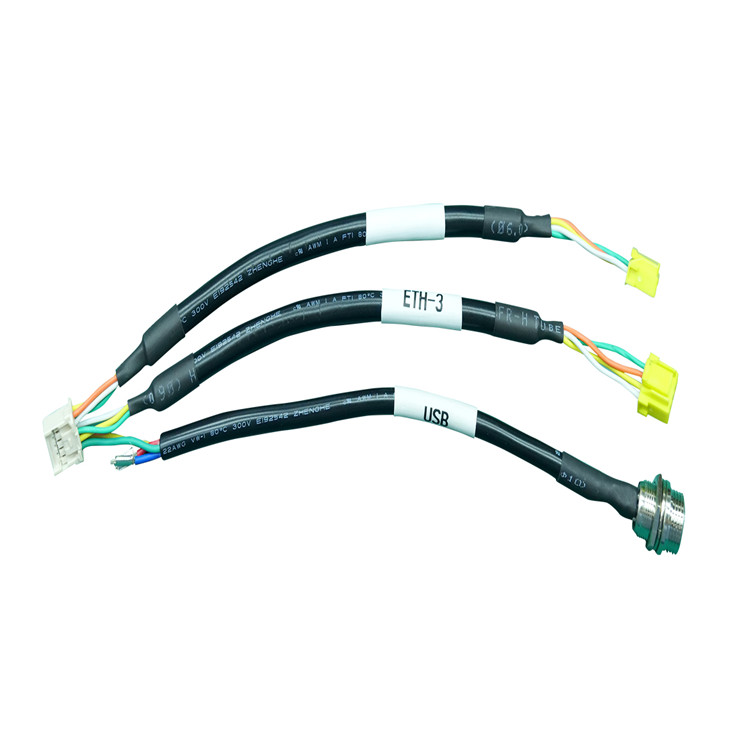
4. Electrical Performance in Harsh Conditions
Maintain signal integrity and power delivery despite environmental interference:
EMI/RFI Shielding:
Double-Layer Shielding: Foil + braid (≥90% coverage) for industrial zones with heavy machinery.
Ferrite Cores: Suppress noise in PoE (Power over Ethernet) applications.
Insulation Resistance:
High-Dielectric Materials: XLPE or EPR (ethylene propylene rubber) for wet environments.
Voltage Rating:
Medium Voltage (MV) Cables: 6–35 kV for solar farms or grid connections.
Data Point: Unshielded outdoor Ethernet cables can experience up to 30% signal loss in EMI-heavy environments (per IEEE 802.3 standards).
5. Fire Safety and Compliance
Outdoor cables must meet fire safety standards, especially in public spaces:
Flame Retardancy:
LSZH (Low Smoke Zero Halogen): Complies with IEC 60754-2 for reduced toxic fumes.
FT4 Rating (CSA): For vertical flame spread resistance in cable trays.
Fire Survival Cables:
Mineral-insulated (MI) cables withstand temperatures up to 1,000°C for emergency systems.
6. Installation and Maintenance
Proper installation ensures longevity and reduces downtime:
Bend Radius:
Minimum 8x cable diameter for fiber optics (e.g., Corning Altos Cable).
Cable Management:
UV-resistant cable ties and stainless steel clamps for aerial installations.
Grounding:
Lightning protection systems (e.g., IEC 62305) for tall structures like cell towers.
Accessibility:
Modular connectors (e.g., Harting Han®) for easy field repairs.
Case Study: A telecom operator in Norway reduced outage rates by 25% using pre-terminated, armored fiber cables with sealed splice closures.
7. Compliance with Industry Standards
Ensure cables meet regional and application-specific regulations:
General Standards:
UL 44 (thermoset-insulated wires) and IEC 60502 (power cables).
Solar Energy:
UL 4703 and TUV Rheinland 2 PfG 2640 for photovoltaic cables.
Rail and Transportation:
EN 50264 (railway vehicle cables) and NFPA 130 (transit fire safety).
Our factory offers high-quality products at competitive prices
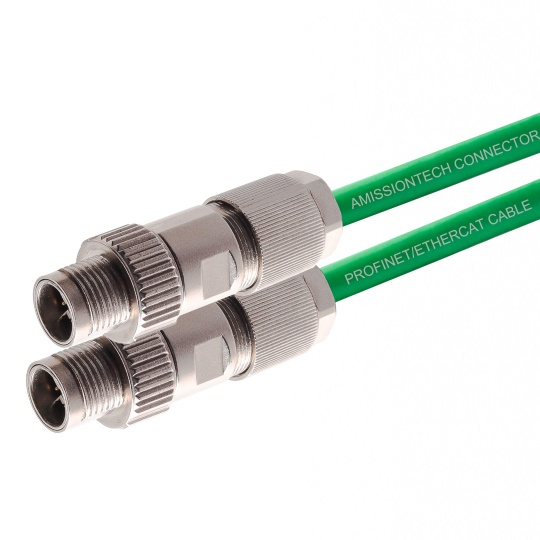
Industrial cable components are the backbone of reliable and efficient connectivity in industrial automation, robotics, and machinery. Engineered to withstand harsh environments while ensuring seamless data transmission and power delivery.
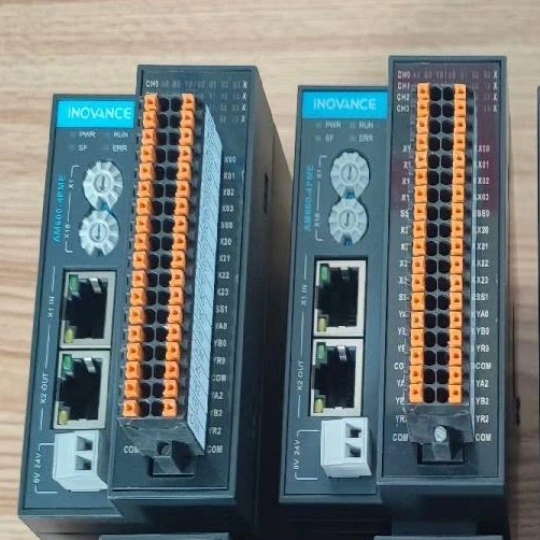
Meta Description: Discover high-performance industrial control cable module components designed for seamless automation, harsh environments, and superior connectivity. Explore specs, certifications, and applications. H2: Industrial Con.
Feel free to reach out to us for any inquiries or orders.