Industrial cable assemblies are vital components powering machinery, automating processes, and connecting critical systems in factories, plants, and demanding environments. Naturally, one of the first questions buyers ask is about cost. The answer isn’t simple, as prices vary widely, but understanding the key factors helps you budget effectively and find the best solution.
Why Prices Vary So Much:
There’s no single price tag because industrial assemblies are rarely “off-the-shelf” in the same way consumer products are. Cost depends heavily on:
Materials Used:
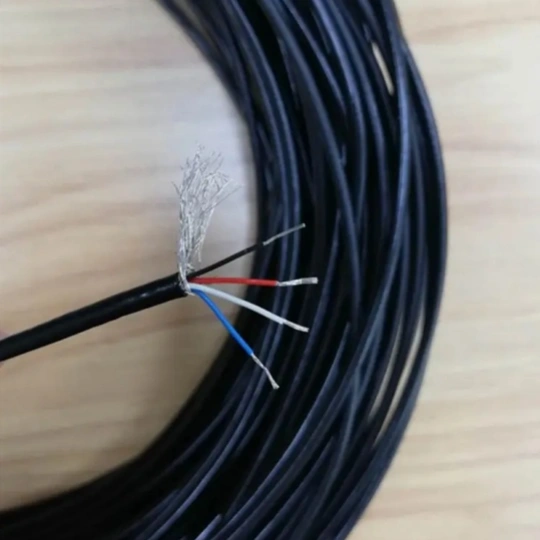
Conductor: Copper is standard and more conductive (and expensive) than alternatives like aluminum. Stranding (number/thickness of wires) affects flexibility and cost.
Insulation & Jacketing: Materials range from basic PVC to specialized thermoplastics (like PUR for oil resistance), Teflon® (for extreme heat), or silicone (flexibility/heat). Harsher environments demand pricier materials.
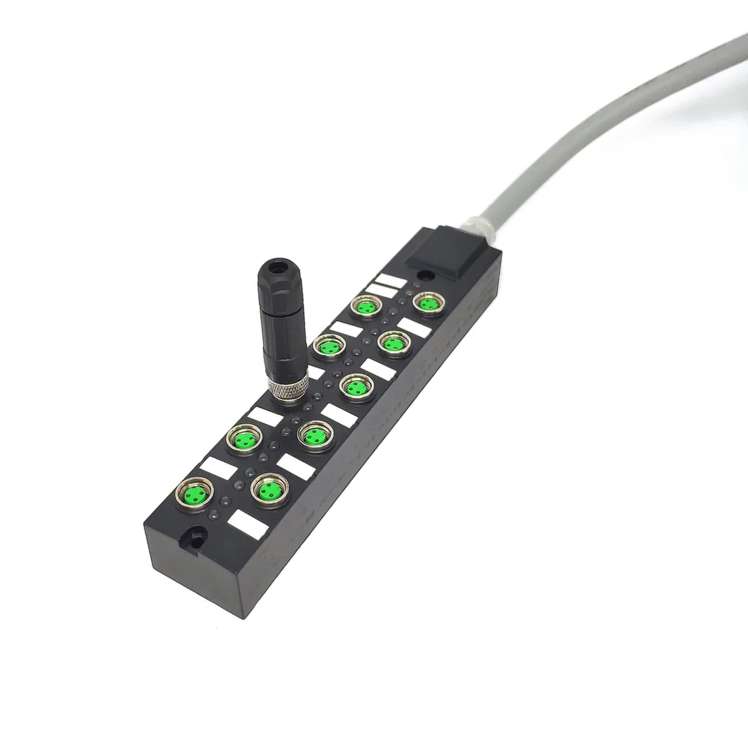
Connectors: Simple plastic connectors cost far less than ruggedized metal (e.g., stainless steel) connectors, circular connectors (M12, M8), multi-pin D-Subs, or specialized types like MIL-DTL-38999. Brands matter too.
Shielding: Foil shielding is cheaper; high-flex applications often need braided shielding, increasing cost. Multiple shielding layers add more.
Design Complexity:
Custom vs. Standard: Truly custom assemblies designed specifically for your machine and specs will cost significantly more than modifying a semi-standard assembly. Simple single-ended wires are cheapest.
Connector Complexity: Higher pin counts, mixed connector types, polarized housings, or intricate keying add complexity and cost.
Assembly Difficulty: Tight braiding/terminations, unique bending requirements, or small form factors require more labor and skill.
Certifications & Ratings:
Meeting specific industry safety standards (UL, CSA) or harsh environment ratings (IP67, IP69K for water/dust) requires specific materials and rigorous testing, increasing cost.
Certifications for aerospace (MIL-SPEC), medical (ISO 13485), or hazardous locations (ATEX, IECEx) involve significant compliance overhead.
Quantity & Lead Time:
High-volume orders almost always benefit from substantial per-unit cost reductions due to setup efficiencies.
Rush orders expediting material procurement and production scheduling will incur premium costs.
Estimated Price Ranges (Guide Only – Always Get Quotes!):
Simple Standard Assemblies: Basic wire harnesses or short cables with common connectors (e.g., PVC jacket, single-ended, low pin count). Might start around **10−50 per unit**, especially at volume.
Moderately Complex Assemblies: Involving more rugged connectors (e.g., M12), shielding, basic custom lengths or connector combinations, standard industrial materials. Typically ranges from **50−250 per unit**.
Highly Custom & Complex Assemblies: Featuring specialized connectors (multiple types, high pin counts), extreme environment materials (Teflon®, silicone), critical shielding, MIL-SPEC/ATEX certification, or complex multi-branch harnesses. Can easily range from **250−1,000+ per unit**, especially for lower volumes or unique requirements.
Practical Tips for Managing Costs:
Define Needs Precisely: Before contacting suppliers, document exactly:
Required specifications (voltage, current, signal type)
Any necessary certifications (UL, Mil-Spec, ATEX, IP rating)
Estimated annual volume
Target lead time
Explore Semi-Standard Options: Ask suppliers if they have existing designs close to your needs that can be modified. This is usually cheaper than starting from scratch.
Prioritize Requirements: Clearly identify which specs are mandatory (safety, core function) and which are “nice-to-have.” Flexibility on non-critical specs can lower costs.
Consider Total Cost of Ownership (TCO): While upfront cost is important, factor in longevity, reduced downtime, and maintenance costs. A slightly more expensive cable built with durable materials might save significant money over its lifespan compared to a cheaper option failing prematurely.
Leverage Volume: If possible, consolidate requirements and order larger quantities to unlock better pricing. Plan procurement strategically.
Get Multiple Quotes: Provide your detailed specs to several reputable industrial cable assembly manufacturers. Compare not just price, but also lead times, quality certifications, and customer service responsiveness.
In Summary:
The cost of an industrial cable assembly is determined by a blend of material choices, design complexity, required certifications, and order specifics. Prices typically range from tens to thousands of dollars per unit. By clearly defining your exact requirements, exploring semi-custom solutions, prioritizing needs, and getting quotes from experienced suppliers, you can find the most cost-effective and reliable solution for your industrial application. Always get specific quotes based on your detailed specifications.
In today’s connected world, technology is evolving rapidly, and even the most basic components are getting smarter. One such innovation is the smart cable—a next-generation connectivity solution designed to enhance performance, safety,...
Key Structural Elements Affecting Corrosion Resistance1. Conductor ProtectionMetallic Conductors:Bare Copper: Prone to oxidation and galvanic corrosion in humid or salty environments.Tinned/Coated Conductors:Tin Plating: Prev...
Cable twisting in rotating machinery like robots, winders, turntables, or packaging equipment is a major headache. It leads to premature failure, costly downtime, and frustrating maintenance. Fortunately, there are proven strategies to ...
In numerous industrial settings, from outdoor power transmission to manufacturing facilities with exposure to sunlight, industrial cables are constantly exposed to ultraviolet (UV) radiation. This raises a crucial question: Why is UV re...
Over-bending cable trays during installation is a common pitfall in industrial settings. Sharp bends compromise the tray’s structural integrity, damage cable insulation during pulling, and create pinch points leading to future fai...
In the intricate web of modern industrial operations, the role of cables in ensuring seamless power transmission and data communication cannot be overstated. Among the various types of cables available, armored industrial cables have em...
In industrial environments—where factors like electromagnetic interference (EMI), temperature fluctuations, and mechanical vibration pose constant challenges—choosing the right data transmission cable is critical to ensuring stable, rel...
Industrial cables are the backbone of modern infrastructure, powering manufacturing plants, energy grids, telecommunications networks, and construction projects worldwide. Composed of high-value metals (primarily copper and aluminum) an...
Chemical plants operate in an environment where danger lurks in every corner—flammable solvents, pressurized gas lines, and reactive chemicals create a tinderbox scenario. Among the many safety-critical components, flame-retardant (FR) ...
Walk into any industrial facility, and you’ll notice a rainbow of cables snaking through machinery, walls, and ceilings. At first glance, these varied jacket colors might seem like a random design choice—but in reality, they serve criti...
In the highly specialized world of healthcare, medical devices play a crucial role in patient diagnosis, treatment, and monitoring. Among the key components that ensure the reliable operation of these devices are industrial cable assemb...
Industrial cables play a vital role in the automotive industry, enabling the smooth operation of various systems. Here are their common applications along with practical solutions:
Power Transmission
Vehicles rely on industrial ca...
In today’s industrial landscape—where automation, 5G communication, medical imaging, and aerospace electronics are rapidly advancing—high-frequency industrial cables serve as the “nervous system” of critical operations. Thes...
The cost of a standard industrial cable per meter can vary widely, typically ranging from as low as \(0.10 per meter for very basic types to over \)100 per meter for specialized, high – end industrial cables. Here are the key fact...
In today’s demanding industrial environments – from automated factories and power generation to transportation systems and process control – the relentless demand for faster, more reliable data transfer is critical. Fiber-optic in...
With the global deployment of 5G technology, industrial scenarios such as smart manufacturing, outdoor communication base stations, marine operations, and underground mining are increasingly relying on stable and reliable 5G communicati...
In industrial automation, manufacturing, and process control, reliable connectivity is the backbone of operational efficiency. Industrial Cable Assemblies – FRS (Flame Retardant Shielded) are engineered to meet the rigorous demand...
In industrial and electrical systems, cables are the backbone of power and data transmission—but not all cables are created equal. Industrial cables and battery cables, though both essential for electrical connectivity, are engineered f...
Field-terminating industrial Ethernet cables ensures precise cable lengths, minimizes connection points, and allows for quick repairs on-site. Success requires the right, durable tools designed for harsh industrial environments. Here ar...
The foundational cables powering our telecommunications and broadband networks – particularly legacy copper-based systems – are reaching or surpassing their intended design life across vast regions. This aging infrastructure presents si...
The rise of collaborative robots (cobots) has revolutionized assembly line efficiency, introducing unprecedented flexibility and safety alongside human workers. But this close-quarters collaboration demands more than just sophisticated ...
Industrial cable assemblies with overmolding integrate cables, connectors, and (in some cases) wire harnesses into a single, seamless unit using thermoplastic or elastomeric materials. This overmolding process goes beyond basic cable as...
High temperature industrial cable assemblies are no longer a niche product; they are a critical enabler of smarter, more automated, and more reliable manufacturing. As factories push for higher throughput, tighter quality control, and g...
IntroductionIn a landmark move to enhance fire safety across industries, international regulatory bodies have introduced updated Global Fire-Resistant Cable Standards. These standards aim to minimize fire risks, improve electrical safe...
In industries where reliability, safety, and performance are non-negotiable, cable assembly servicesare a critical link in the supply chain. From industrial automation and medical devices to aerospace and EV charging, the right cable as...
Why Subsea Cables Matter for Data Centers
Over 95% of international data travels through subsea cables – hair-thin fiber optics spanning ocean floors. These cables directly power cloud services by connecting geographically dispersed ...
IntroductionAs the global push for clean energy intensifies, hydrogen projects are emerging as a cornerstone of decarbonization strategies. However, these initiatives face a critical challenge: ensuring their infrastructure aligns with ...
Industrial cable assemblies are the backbone of modern infrastructure, powering everything from manufacturing plants to renewable energy systems. However, as industries face increasing pressure to reduce their environmental footprint, t...
In the automotive and industrial sectors, cable assemblies are the lifelines of electrical systems, transmitting power and signals critical to vehicle and machinery operation. However, harsh environments—extreme temperatures, vibrations...
Industrial cable assemblies are critical components in sectors like manufacturing, aerospace, energy, and automation. Selecting the right materials for these assemblies ensures reliability, safety, and longevity in harsh environments. H...
When designing or upgrading electronic systems, industrial machinery, or communication networks, selecting the right cable assembly is critical. A poorly chosen cable assembly can lead to system failures, safety risks, and costly downti...
Industrial settings like oil refineries, chemical plants, grain silos, and paint spray booths contain areas where flammable gases, vapors, dusts, or fibers can be present. Using standard electrical equipment here can trigger explosions....
Industrial cables are the “nerve system” of modern manufacturing, energy, and infrastructure—powering motors, transmitting control signals, and connecting critical equipment. Their performance directly impacts operational ef...
In the complex and interconnected world of industrial systems, the reliable transmission of signals is the lifeblood of operations. From manufacturing plants and power stations to telecommunications networks and transportation systems, ...
1. Introduction to Industrial Cable Insulation Materials
Industrial cable insulation materials play a pivotal role in ensuring the safe and efficient transmission of electrical power across various sectors. These materials act as a p...
As global temperatures rise and extreme weather events become more frequent, industries worldwide are rethinking infrastructure design to withstand environmental challenges. Among these innovations, climate-proof cables are emergi...
Introduction
In heavy industries like steel manufacturing, unexpected downtime can cost thousands per minute. XYZ Steel Plant recently achieved a 37% reduction in production interruptions by implementing custom-engineered cables – a ...
The global cable market is set to experience robust expansion, with projections indicating a 12% compound annual growth rate (CAGR) through 2026. This surge is driven by rising infrastructure investments, advancements in telecommu...
High-voltage cable assemblies are critical components in industries like energy transmission, renewable energy, manufacturing, and infrastructure. Ensuring these cables meet stringent technical requirements is essential for safety, effi...
In high-throughput industrial automation, even a few minutes of unplanned downtime can cost thousands of dollars. For robotics cells, the weakest link is often not the robot itself, but the industrial automation cable assembliesthat pow...
Ensure reliable power transmission and long-lasting performance in the harshest conditions with our High-Temperature Resistant Cable Accessories. Engineered to withstand extreme heat, these premium-grade accessories are designed to prote.
Corrosion-Resistant Cable Connectors: Reliable Connectivity for Harsh Environments
Ensure uninterrupted performance in the toughest conditions with our corrosion-resistant cable connectors. Designed for durability and longevity, these.
Contact Us
Feel free to reach out to us for any inquiries or orders.