Mining operations are among the most demanding industrial environments, characterized by extreme temperatures, high mechanical stress, chemical exposure, and the constant risk of abrasion or impact. Heavy-duty industrial wires serve as the lifeline of these operations, powering critical equipment such as excavators, conveyors, crushers, and ventilation systems. Choosing the wrong wires can lead to costly downtime, safety hazards, or even catastrophic equipment failure. This guide outlines the essential factors to consider when selecting heavy-duty industrial wires for mining applications, ensuring reliability, safety, and long-term performance.
1. Understand the Mining Environment’s Unique Challenges
Before selecting wires, it is crucial to assess the specific environmental conditions of the mining site. Different mining scenarios—underground, open-pit, or mineral processing plants—present distinct challenges that wires must withstand:
- Extreme Temperatures: Underground mines often experience high humidity and elevated temperatures, while open-pit mines may face freezing winters or scorching summers. Wires must have insulation and jacketing materials that maintain flexibility and electrical integrity across a wide temperature range (typically from -40°C to 90°C or higher for specialized applications).
- Mechanical Stress: Mining equipment is frequently moved, dragged, or subjected to vibration. Wires must resist tensile stress, bending, and impact without cracking or breaking. Look for wires with reinforced conductors (e.g., stranded copper or aluminum) and durable outer layers.
- Chemical Exposure: Mines are prone to exposure to harsh substances such as oils, greases, acids, alkalis, and mineral dust. Chemical-resistant insulation materials (e.g., cross-linked polyethylene, XLPE, or ethylene propylene diene monomer, EPDM) prevent degradation and short circuits.
- Moisture and Dust: High humidity, water ingress, and fine mineral dust can compromise wire performance. Wires should have moisture-resistant jacketing and tight-sealing connectors to prevent dust accumulation in crevices.
2. Key Technical Specifications to Evaluate
Once the environmental challenges are identified, focus on the technical specifications that directly impact wire performance in mining operations:
Conductor Material and Size
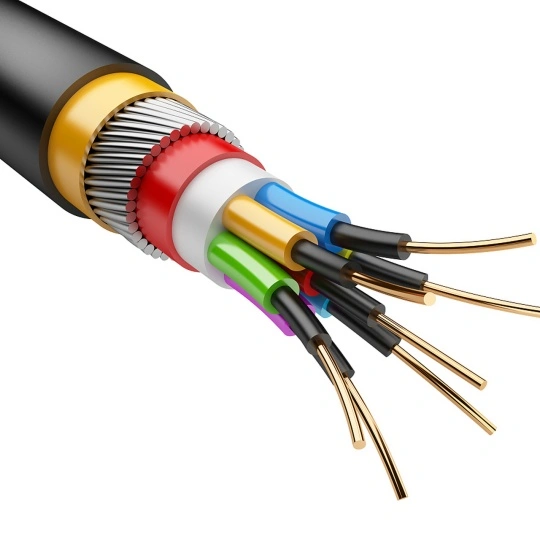
The conductor is the core of the wire, responsible for transmitting electrical current. Two primary materials are used in mining wires:
- Copper: Offers excellent electrical conductivity, ductility, and corrosion resistance. It is ideal for applications requiring high current carrying capacity and frequent bending (e.g., mobile equipment). However, it is heavier and more expensive than aluminum.
- Aluminum: Is lighter and more cost-effective, making it suitable for fixed installations (e.g., power distribution lines in mines). It has lower conductivity than copper, so larger wire sizes may be needed to match the same current capacity. Ensure aluminum conductors are coated or paired with compatible terminals to prevent oxidation.
Conductor size (gauge) is determined by the current load and voltage drop requirements. Undersized wires can overheat, while oversized wires increase costs and installation complexity. Refer to the National Electrical Code (NEC) or International Electrotechnical Commission (IEC) standards for load calculations specific to mining equipment.
Insulation and Jacketing Materials
Insulation and jacketing protect the conductor from environmental damage and ensure electrical safety. The choice of material depends on the mining environment:
- XLPE (Cross-Linked Polyethylene): Provides excellent thermal resistance, chemical resistance, and mechanical strength. It is widely used in mining for its ability to withstand high temperatures and harsh chemicals.
- EPDM (Ethylene Propylene Diene Monomer): Offers superior flexibility at low temperatures and resistance to moisture, ozone, and UV radiation. It is suitable for outdoor or underground applications where temperature fluctuations are common.
- PVC (Polyvinyl Chloride): Is cost-effective but has limited temperature resistance (typically up to 70°C) and can become brittle in cold conditions. It is only recommended for less demanding mining environments.
- Neoprene: Provides excellent oil and abrasion resistance, making it ideal for wires used in heavy machinery or areas with frequent oil exposure.
Flexibility and Durability
Mining wires often need to bend around equipment or navigate tight spaces. Stranded conductors (as opposed to solid conductors) enhance flexibility, allowing repeated bending without fatigue. Additionally, look for wires with a high tensile strength rating and impact-resistant jacketing to withstand accidental drops or collisions with mining tools.
Safety Certifications
Mining operations are subject to strict safety regulations to prevent fires, electrical shocks, and explosions. Ensure wires meet industry-specific certifications, such as:
- UL (Underwriters Laboratories): Certifies wires for safety and performance in North America.
- CSA (Canadian Standards Association): Ensures compliance with Canadian electrical standards.
- IEC (International Electrotechnical Commission): Provides global standards for electrical equipment.
- ATEX or IECEx: Essential for wires used in hazardous mining environments (e.g., mines with flammable gases or dust) to prevent ignition.
3. Avoid Common Selection Mistakes
Even with technical knowledge, common pitfalls can compromise wire performance. Steer clear of these mistakes:
- Sacrificing Quality for Cost: Cheap wires may save money upfront but are more likely to fail prematurely, leading to costly downtime and safety risks. Invest in high-quality wires from reputable manufacturers.
- Ignoring Environmental Factors: Using wires designed for general industrial use in mining environments can result in rapid degradation. Always match the wire’s specifications to the site’s unique challenges.
- Overlooking Compatibility with Connectors: Wires must work seamlessly with connectors and terminals used in mining equipment. Mismatched components can cause poor electrical contact, overheating, or arcing.
- Neglecting Long-Term Maintenance: While selecting durable wires is important, regular inspection and maintenance are equally critical. Choose wires that are easy to inspect and repair to minimize downtime.
4. A Step-by-Step Selection Process
To streamline the selection process, follow these steps:
- Assess the Environment: Document temperature ranges, chemical exposure, mechanical stress, and hazard levels (e.g., explosive dust).
- Calculate Electrical Requirements: Determine the current load, voltage, and voltage drop for the equipment the wire will power.
- Select Conductor Material and Size: Choose copper or aluminum based on mobility and cost, and select the appropriate gauge using load calculation tools.
- Choose Insulation and Jacketing: Match materials to environmental challenges (e.g., XLPE for high temperatures, EPDM for cold conditions).
- Verify Certifications: Ensure wires meet relevant safety standards for the mining site’s location and hazards.
- Consult with Experts: Work with manufacturers or electrical engineers specializing in mining to confirm the selection.
Why FRS Brand Stands Out for Mining Wires
When it comes to heavy-duty industrial wires for mining operations, FRS brand工厂 combines decades of engineering expertise with a deep understanding of mining’s toughest challenges. FRS wires are designed to exceed industry standards, with features such as high-conductivity stranded copper conductors, chemical-resistant XLPE/EPDM insulation, and ATEX/IECEx certifications for hazardous environments. Each wire undergoes rigorous testing to ensure resistance to extreme temperatures, mechanical stress, and abrasion—guaranteeing reliable performance even in the harshest mining sites. With FRS, you not only get wires that minimize downtime and enhance safety but also a partner committed to providing tailored solutions for your specific mining needs. Trust FRS to keep your operations powered, productive, and protected.