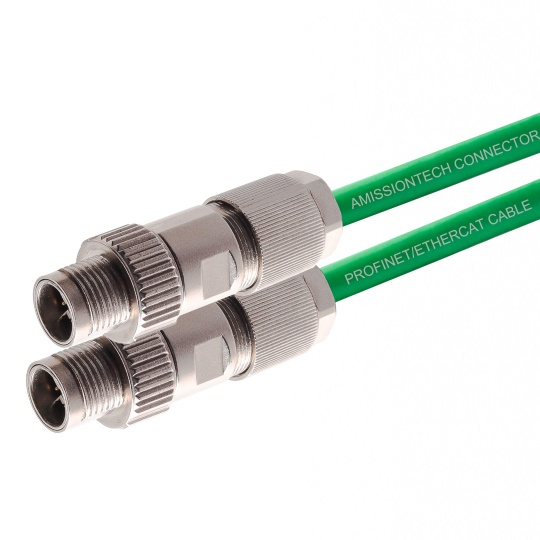
Industrial Cable Assemblies factory

Industrial Cable Assemblies factory

Industrial Cable Assemblies-Industrial Cable Assemblies factory

INFO

In industrial automation, standard cables often fail when temperatures swing to extremes. Whether you are dealing with the scorching heat of a steel mill or the deep freeze of a cold storage warehouse, choosing the wrong cable assembly leads to signal loss, insulation cracking, and costly downtime.

This guide breaks down everything B2B buyers and engineers need to know about industrial cable assemblies for harsh temperatureenvironments. We will cover material science, technical parameters, application scenarios, and critical pitfalls to help you source the right solution.

1. Understanding the Thermal Challenge

Standard PVC cables typically operate safely between 0°C and 70°C. However, many industrial processes exceed these limits. When temperatures rise above 90°C or drop below -20°C, standard insulation materials lose their mechanical integrity. High heat causes PVC to soften and deform, while extreme cold makes it brittle and prone to cracking.

To ensure reliability, you need industrial cable assembliesspecifically engineered with advanced polymers and specialized construction techniques.

2. Material Selection: High-Temperature vs. Low-Temperature

The core of any harsh environment cable is its insulation and jacket material. Selecting the right one is the first step to preventing failure.

For High-Temperature Applications (Up to 250°C+)

  • PTFE (Teflon):The gold standard for high heat. It offers excellent chemical resistance and operates up to 260°C. It is ideal for aerospace and chemical processing.
  • Silicone Rubber:Highly flexible and flame retardant. It performs well in continuous temperatures up to 180°C–200°C. It is a top choice for ovens and foundries.
  • FEP/PFA:Similar to PTFE but with better flow properties, suitable for high-speed signal transmission in heat.

For Low-Temperature Applications (Down to -60°C)

  • Polyurethane (PUR):Known for outstanding abrasion resistance and flexibility in freezing conditions. It remains flexible down to -40°C or lower.
  • Specialty PVC Formulations:Modified PVC blends can handle colder temps than standard grades, usually down to -40°C.
  • Silicone:Surprisingly, silicone also performs well in the cold, maintaining flexibility where other rubbers fail.

3. Key Technical Parameters to Verify

When sourcing industrial cable assemblies for harsh temperature, do not just look at the price. Check these critical specifications:

  • Temperature Rating:Look for the continuous operating range. For example, a cable might be rated -60°C to +200°C.
  • Voltage Rating:Ensure it matches your system (e.g., 300V, 600V, or 1000V). High heat can reduce dielectric strength.
  • Bend Radius:In extreme cold, cables stiffen. Check the minimum bend radius (e.g., 10x the cable diameter for fixed installations) to avoid kinking.
  • Shielding Effectiveness:Temperature cycling can cause shielding to expand or contract. Ensure the braid coverage (usually 85%+) is sufficient for EMI protection in your environment.

4. Real-World Application Scenarios

Understanding where these cables are used helps in visualizing the requirements.

  • Steel Mills & Foundries:Cables here face radiant heat and molten slag. Solution:Silicone or fiberglass braid cables with steel conduit protection.
  • Cold Chain & Logistics:Freezers operating at -30°C require cables that won’t crack during robotic arm movements. Solution:High-flex PUR cables.
  • Oil & Gas (Downhole):Sensors deep underground face extreme pressure and heat. Solution:PTFE or PEEK insulated cables.
  • Automotive & Aerospace:Engine compartments and exterior skins face rapid temperature fluctuations. Solution:Cross-linked polyolefins or Teflon.

5. Common Pitfalls and How to Avoid Them

Avoid these costly mistakes when selecting your cable assemblies:

  • Pitfall 1: Ignoring Ambient Heat vs. Conductor Heat.
    • The Mistake:Selecting a cable rated for 105°C ambient when the conductor itself generates heat, pushing the internal temp to 120°C.
    • The Fix:Calculate total thermal load. Derate the current capacity (ampacity) as temperature increases.
  • Pitfall 2: Overlooking Chemical Exposure.
    • The Mistake:Using a standard heat-resistant cable that dissolves upon contact with cutting oil or hydraulic fluid.
    • The Fix:Ensure the jacket material (e.g., PUR or TPE) is compatible with the specific chemicals present.
  • Pitfall 3: Underestimating Mechanical Stress.
    • The Mistake:Installing a stiff, high-heat cable in a tight bend or moving application.
    • The Fix:For dynamic applications (drag chains), use “high-flex” versions with finely stranded conductors.

6. Actionable Sourcing Tips

  • Request Samples:Never order in bulk without testing a sample in your actual environment for at least a week.
  • Ask for Certification:Look for UL 444, CSA, or IEC standards relevant to high-temperature performance.
  • Check the Connector:The cable might be tough, but is the connector? Ensure connectors have high-temp rated plastics (like PEEK or LCP) and gold-plated contacts to prevent corrosion.

Summary

Selecting the right industrial cable assemblies for harsh temperatureis not just about surviving the heat or cold; it is about ensuring signal integrity, safety, and operational continuity. By prioritizing material science—choosing PTFE or Silicone for heat and PUR for cold—and verifying technical parameters like bend radius and shielding, you can significantly reduce maintenance costs and unplanned downtime. Always consider the total environment, including chemicals and movement, to find a cable that truly lasts.

FAQ

NEWS

More Products

Our factory offers high-quality products at competitive prices
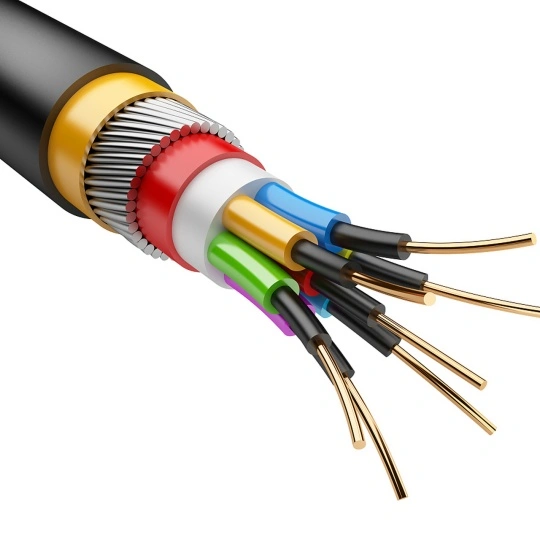
Protective cable kit

Protective cable kit

Meta Description: Discover the ultimate Protective Cable Kit designed to safeguard your cables from wear, tangles, and damage. Perfect for home, office, and industrial use. Shop now for long-lasting cable management! ​Protecti.

High-temperature resistant cable accessories

High-temperature resistant cable accessories

Ensure reliable power transmission and long-lasting performance in the harshest conditions with our ​High-Temperature Resistant Cable Accessories. Engineered to withstand extreme heat, these premium-grade accessories are designed to prote.

Contact Us

Feel free to reach out to us for any inquiries or orders.

Call Us

Have a question? Give us a call!

                   +8618818785005

Email Us

Send us an email and we'll get back to you soon.

sales@custom-cable-assemblies.com
       
Home Products Contact