
Industrial Cable Assemblies-Industrial Cable Assemblies factory
In the complex ecosystem of industrial machinery, every component plays a pivotal role in ensuring seamless operation, and industrial cables stand out as the unsung heroes. These cables are not mere conductors of electricity or data; they are the lifelines that connect critical parts of machinery, enabling precise control, power transmission, and real-time data exchange. Unlike standard cables, industrial cables for machinery are engineered to withstand the harshest operating conditions, making them indispensable in sectors such as manufacturing, automotive, aerospace, and energy.
The performance of industrial machinery heavily relies on the quality of its cables. High-quality industrial cables for machinery possess several defining characteristics that set them apart from conventional options.
Choosing the right industrial cable for machinery is a critical decision that impacts operational efficiency, safety, and maintenance costs. Here are key factors to consider during the selection process:
Proper installation and maintenance are vital to maximizing the lifespan of industrial cables for machinery.
Installation Tips: Avoid over-bending cables beyond their specified minimum bend radius, as this can damage the insulation and conductors. Use cable glands and protective conduits to shield cables from physical damage and environmental contaminants. Ensure secure termination to prevent loose connections, which can cause arcing and overheating. For dynamic applications, use cable tracks or carriers to guide the cables and reduce stress during movement.
Maintenance Practices: Regularly inspect cables for signs of wear, such as cracks in the jacket, exposed conductors, or fraying. Clean cables periodically to remove dust, oil, or chemical residues that can degrade the insulation. Monitor cable performance using diagnostic tools to detect electrical issues early, such as increased resistance or signal interference. Replace damaged cables promptly to avoid machinery breakdowns or safety hazards.
As industrial automation and digitalization advance, the demand for smarter, more advanced cables is growing. One key trend is the development of integrated cables that combine power transmission and data communication, reducing cable clutter and simplifying installation. Another trend is the use of eco-friendly materials, such as recyclable jackets and halogen-free insulation, to meet sustainability goals. Additionally, cables with built-in sensors are emerging, enabling real-time monitoring of temperature, vibration, and wear—providing predictive maintenance insights and enhancing operational efficiency.
When it comes to industrial cables for machinery, FRS stands out as a trusted partner. With years of experience in engineering and manufacturing high-performance cables, FRS understands the unique challenges of industrial environments. Our cables are crafted using premium materials and undergo rigorous testing to ensure mechanical durability, environmental resistance, and stable electrical performance. Whether you need flex-rated cables for robotic systems, chemical-resistant cables for pharmaceutical machinery, or high-temperature cables for foundries, FRS offers customized solutions tailored to your application. Backed by strict quality control and reliable after-sales support, FRS cables keep your machinery running smoothly, minimizing downtime and maximizing productivity. Choose FRS for cables that deliver consistent performance, safety, and value—every time.
Our factory offers high-quality products at competitive prices
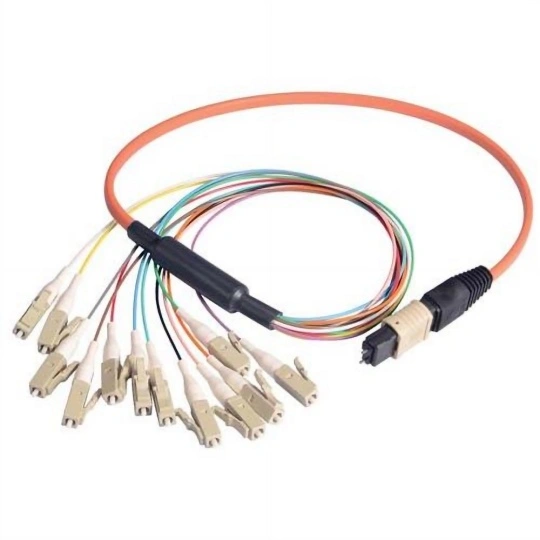
Heavy machinery cable assemblies are robust, high-performance connectivity solutions engineered to meet the demanding requirements of industrial and heavy-duty applications. Designed for durability, reliability, and optimal performance in.
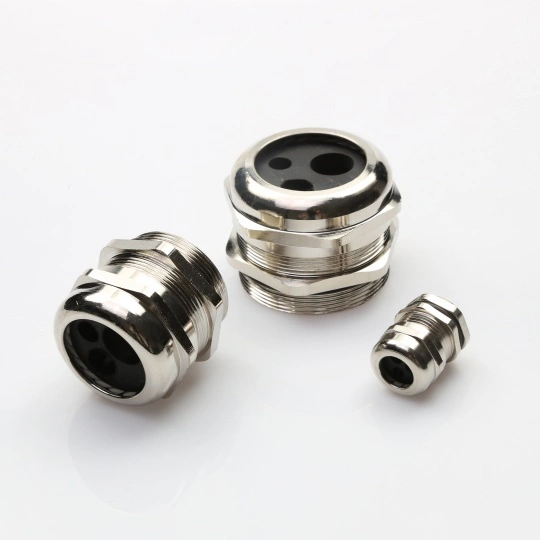
Corrosion-Resistant Cable Connectors: Reliable Connectivity for Harsh Environments Ensure uninterrupted performance in the toughest conditions with our corrosion-resistant cable connectors. Designed for durability and longevity, these.
Feel free to reach out to us for any inquiries or orders.