Industrial Cable Assemblies factory

Industrial Cable Assemblies factory

Industrial Cable Assemblies-Industrial Cable Assemblies factory

INFO

Industrial cables are the backbone of modern infrastructure, powering everything from factories and data centers to renewable energy systems. Choosing the right cable ensures safety, efficiency, and compliance with industry standards. In this guide, we’ll break down the essentials of industrial cables, their applications, and how to select the best option for your needs.


What Are Industrial Cables?

Industrial cables are heavy-duty electrical wires designed to withstand harsh environments, including extreme temperatures, moisture, chemicals, and mechanical stress. Unlike standard cables, they are engineered for durability, longevity, and high performance in industrial settings.


Top 6 Types of Industrial Cables & Their Uses

  1. Power Cables
    • Purpose: Transmit electricity in high-voltage systems.
    • Applications: Motors, transformers, and power grids.
    • Key Features: Flame-resistant, UV-resistant, and armored shielding.
  2. Control Cables
    • Purpose: Transmit signals to automate machinery.
    • Applications: PLCs, sensors, and robotics.
    • Key Features: EMI shielding, multi-core design.
  3. Instrumentation Cables
    • Purpose: Transmit low-voltage signals for precision measurement.
    • Applications: Oil refineries, chemical plants.
    • Key Features: Twisted pairs, noise reduction.
  4. Data & Communication Cables
    • Purpose: Enable high-speed data transfer.
    • Applications: Industrial Ethernet, automation networks.
    • Key Features: Cat6/Cat7 standards, foil shielding.
  5. Flexible Cables
    • Purpose: Withstand constant bending and movement.
    • Applications: Cranes, robotics, assembly lines.
    • Key Features: Rubber/PUR jackets, stranded conductors.
  6. Submersible Cables
    • Purpose: Operate underwater or in wet conditions.
    • Applications: Pumps, offshore rigs, wastewater systems.
    • Key Features: Waterproof insulation, corrosion-resistant materials.

How to Choose the Right Industrial Cable

Follow these steps to avoid costly mistakes:
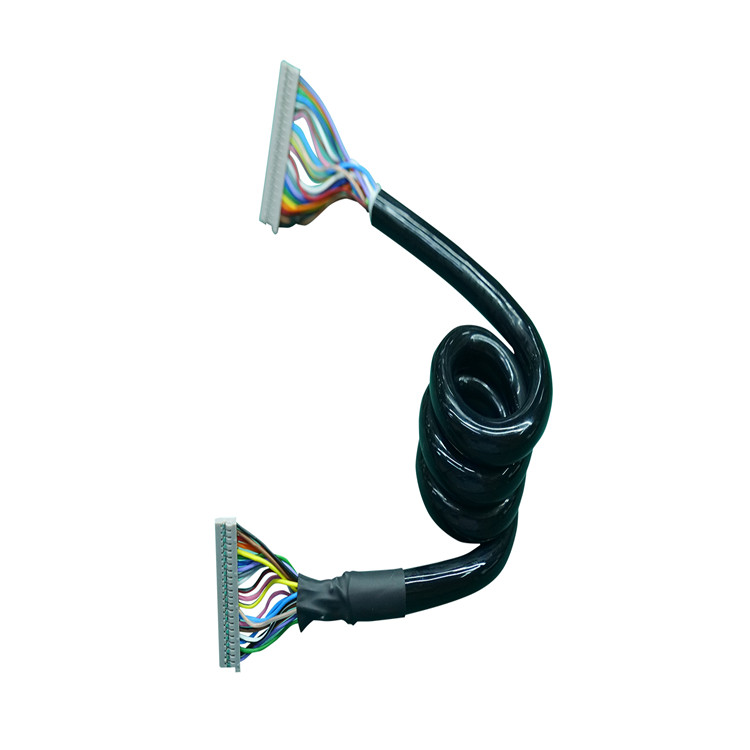
  1. Assess Environmental Conditions
    • Temperature range, exposure to chemicals, moisture, or abrasion.
  2. Determine Electrical Requirements
    • Voltage rating, current capacity, and signal type (power vs. data).
  3. Check Compliance Standards
    • Look for certifications like UL, IEC, or NEC to ensure safety and compatibility.
  4. Prioritize Durability
    • Armored jackets, UV resistance, and flexible designs extend cable life.
  5. Calculate Cost vs. Lifespan
    • Invest in higher-grade cables for critical applications to reduce downtime.

Installation & Maintenance Tips

  • Routing: Avoid sharp bends and friction points to prevent wear.
  • Grounding: Properly ground cables to eliminate electrical interference.
  • Labeling: Tag cables for easy troubleshooting and maintenance.
  • Inspections: Regularly check for cracks, corrosion, or insulation damage.

types of industrial cables

FAQ

NEWS

More Products

Our factory offers high-quality products at competitive prices
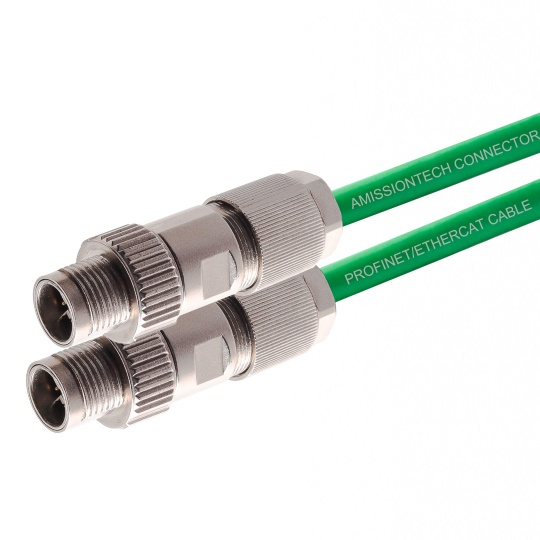
Industrial cable components

Industrial cable components

Industrial cable components are the backbone of reliable and efficient connectivity in industrial automation, robotics, and machinery. Engineered to withstand harsh environments while ensuring seamless data transmission and power delivery.
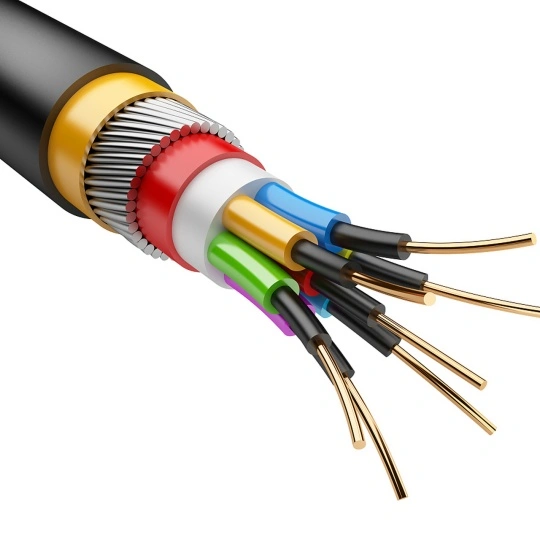
Shielded cable core

Shielded cable core

In today’s technology-driven world, maintaining uninterrupted signal integrity is critical for industrial, commercial, and residential applications. The ‌Shielded Cable Core‌ is engineered to deliver superior electromagnetic interference .

Contact Us

Feel free to reach out to us for any inquiries or orders.

Call Us

Have a question? Give us a call!

+861881875005

Email Us

Send us an email and we'll get back to you soon.

sales@custom-cable-assemblies.com
       
Home Products Contact