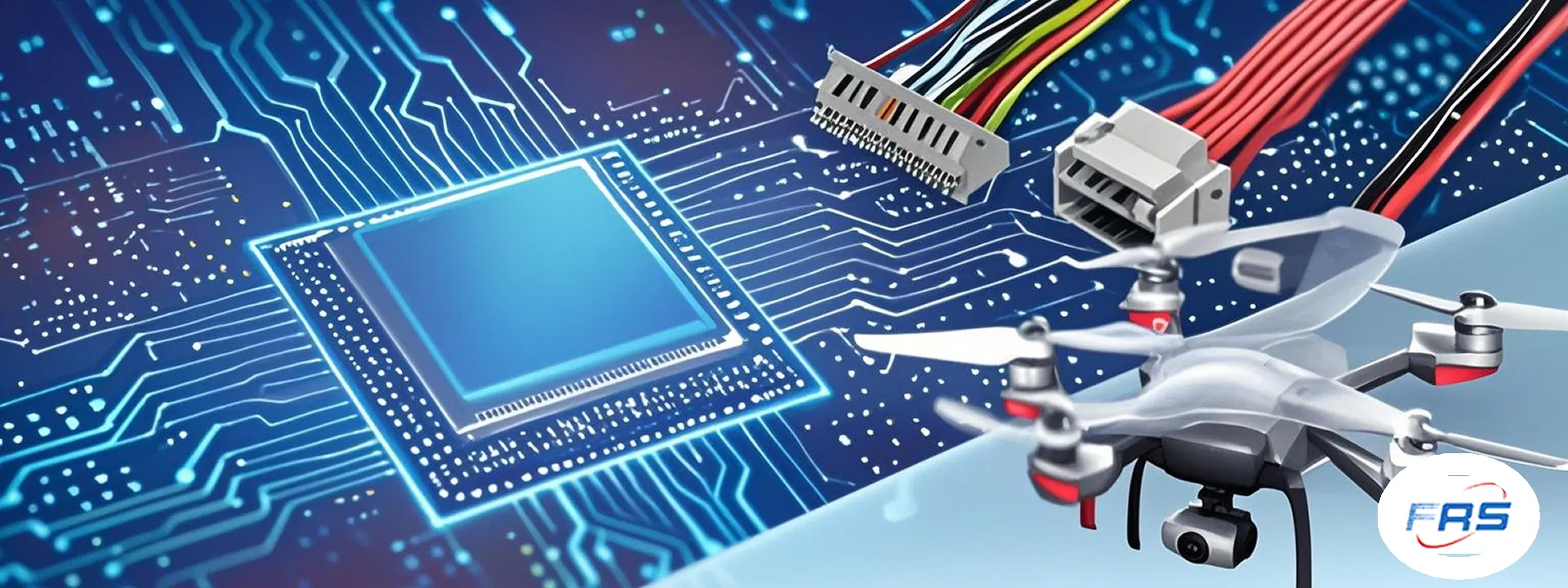
Industrial Cable Assemblies-Industrial Cable Assemblies factory
In the era of Industry 4.0, factories are undergoing a profound transformation towards intelligence and automation. At the core of this transformation lies reliable and efficient data transmission, and industrial Ethernet cables have emerged as the backbone of connectivity in modern factory environments. Unlike standard commercial Ethernet cables, industrial-grade variants are designed to withstand harsh conditions such as extreme temperatures, electromagnetic interference (EMI), vibration, and moisture. Their robust construction ensures stable data flow even in the most demanding factory settings, making them indispensable for a wide range of critical applications.
One of the primary applications of industrial Ethernet cables in factories is in industrial automation and control systems. These systems rely on real-time communication between programmable logic controllers (PLCs), human-machine interfaces (HMIs), sensors, and actuators to regulate production processes. Industrial Ethernet cables facilitate high-speed, low-latency data transmission, enabling PLCs to send precise commands to actuators and receive instantaneous feedback from sensors. For example, in an automotive assembly line, industrial Ethernet cables connect robots on the production floor to the central control system. This allows for seamless coordination of robot movements, ensuring that each component is assembled with accuracy and efficiency. The low latency of these cables is crucial here, as even a slight delay could disrupt the entire assembly process, leading to costly errors or production downtime.
SCADA systems are widely used in factories to monitor and control geographically dispersed equipment and processes. Industrial Ethernet cables play a vital role in connecting remote field devices, such as pressure sensors, flow meters, and temperature gauges, to the central SCADA server. This enables factory managers to have a real-time overview of the entire production facility, track key performance indicators (KPIs), and make informed decisions promptly. In a chemical factory, for instance, SCADA systems connected via industrial Ethernet cables monitor the levels of hazardous chemicals in storage tanks and the temperature and pressure of reaction vessels. If any parameter deviates from the set range, the system immediately alerts operators, who can then take corrective actions to prevent accidents or production losses. The durability of industrial Ethernet cables ensures that this critical communication remains uninterrupted even in environments with high levels of EMI from industrial machinery.
Machine vision systems have become an integral part of quality control and inspection processes in modern factories. These systems use cameras and image processing software to detect defects, measure dimensions, and verify product labels. Industrial Ethernet cables are essential for transmitting high-resolution images and video data from the cameras to the image processing units. Given the large volume of data generated by machine vision cameras, these cables need to support high bandwidths to ensure smooth and real-time data transmission. In a electronics manufacturing plant, machine vision systems equipped with industrial Ethernet cables inspect printed circuit boards (PCBs) for soldering defects, missing components, and incorrect placements. The high-speed data transmission provided by these cables allows the system to process images quickly, enabling 100% inspection of products without slowing down the production line.
The IIoT is revolutionizing factory operations by connecting a vast number of smart devices, including sensors, meters, and wearable technology, to collect and analyze data for predictive maintenance, energy management, and process optimization. Industrial Ethernet cables serve as the physical layer for connecting these IIoT devices to the factory’s network infrastructure. Unlike wireless connections, which can be affected by interference and signal loss in industrial environments, industrial Ethernet cables provide a stable and secure connection for IIoT devices. For example, in a food and beverage factory, IIoT sensors connected via industrial Ethernet cables monitor the temperature and humidity in refrigeration units. The data collected by these sensors is transmitted to a cloud-based analytics platform, which predicts potential equipment failures and schedules maintenance before a breakdown occurs. This not only reduces maintenance costs but also ensures that food products are stored in optimal conditions, maintaining their quality and safety.
Motion control systems are used in factories to control the speed, position, and torque of motors in various applications such as conveyor belts, packaging machines, and CNC machines. Industrial Ethernet cables are critical for transmitting precise control signals from the motion controller to the servo drives and motors. These cables must provide deterministic communication, meaning that the time it takes for a signal to travel from the controller to the motor is consistent and predictable. In a packaging factory, for example, motion control systems connected via industrial Ethernet cables regulate the speed of conveyor belts and the movement of packaging machines. This ensures that products are packaged at a consistent rate and that the packaging is sealed properly. The deterministic nature of industrial Ethernet cables prevents variations in signal transmission time, which could lead to uneven packaging or product jams on the conveyor line.
Industrial Ethernet cables are the lifeline of modern factories, enabling seamless communication across a wide range of applications from automation and control to IIoT connectivity. Their ability to withstand harsh industrial conditions and provide high-speed, low-latency, and reliable data transmission makes them essential for improving production efficiency, ensuring product quality, and enhancing workplace safety. When it comes to sourcing high-quality industrial Ethernet cables for your factory, FRS brand factory stands out as a trusted partner. With years of experience in manufacturing industrial communication solutions, FRS is committed to producing industrial Ethernet cables that meet the highest standards of durability, performance, and reliability. Whether you need cables for automation systems, SCADA networks, machine vision, or IIoT devices, FRS has the right solution to keep your factory operations running smoothly and efficiently. Choose FRS, and experience the difference that premium industrial Ethernet cables can make for your business.
Our factory offers high-quality products at competitive prices
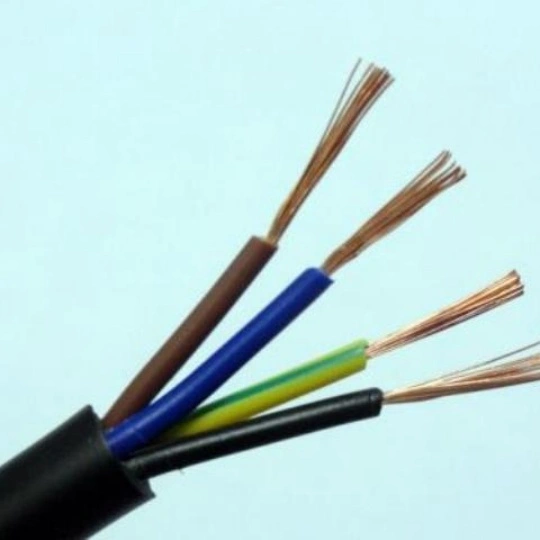
Meta Description: Discover the ultimate Protective Cable Kit designed to safeguard your cables from wear, tangles, and damage. Perfect for home, office, and industrial use. Shop now for long-lasting cable management! Protecti.
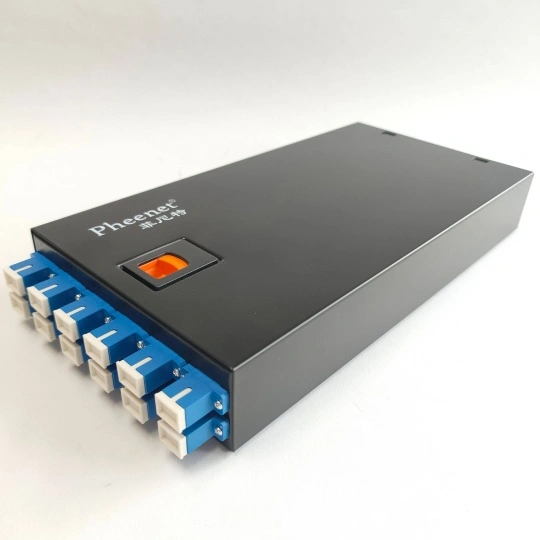
Product OverviewQuick-Install Cable Adapters are the game-changing connectivity solution designed for professionals and DIY enthusiasts alike. Engineered to eliminate installation hassles, these adapters provide instant, tool-free conne.
Feel free to reach out to us for any inquiries or orders.