Industrial Cable Assemblies-Industrial Cable Assemblies factory
When it comes to electrical cables, understanding the differences between industrial and marine cables is crucial for selecting the right option for specific applications. While both serve the purpose of transmitting electricity, their design, materials, and performance characteristics vary significantly due to the distinct environments they operate in.
Industrial cables are primarily used in factories, manufacturing plants, power plants, and other industrial settings. These environments may involve exposure to dust, dirt, mechanical stress, high temperatures, and chemicals. However, they are generally not subjected to prolonged contact with water, saltwater, or extreme humidity.
Marine cables, on the other hand, are designed for use in marine environments, such as ships, boats, offshore oil rigs, and coastal facilities. They must withstand constant exposure to saltwater, high levels of humidity, corrosion, and harsh weather conditions like strong winds and waves. Additionally, marine cables may need to endure vibrations from the vessel’s engine and movement.
Industrial cables are manufactured in accordance with industrial standards that focus on factors like voltage rating, current capacity, and resistance to mechanical damage. These standards ensure that the cables can perform reliably in the typical industrial operating conditions.
Marine cables, however, must adhere to strict marine standards set by organizations such as the International Maritime Organization (IMO) and classification societies like Lloyd’s Register. These standards emphasize safety, fire resistance, water resistance, and corrosion resistance to ensure the cables can function safely and effectively in the marine environment, where the risk of fire and water damage is higher.
The materials used in industrial and marine cables differ to meet their respective environmental requirements.
Industrial cables often use insulation materials like PVC (Polyvinyl Chloride), XLPE (Cross-Linked Polyethylene), and rubber. These materials provide good electrical insulation, mechanical strength, and resistance to chemicals and high temperatures. The conductors are typically made of copper or aluminum, which offer excellent conductivity.
Marine cables require materials with superior resistance to saltwater corrosion and moisture. Insulation materials such as EPR (Ethylene Propylene Rubber) and PTFE (Polytetrafluoroethylene) are commonly used for their water resistance and chemical inertness. The conductors may be tinned copper to enhance corrosion resistance. Additionally, marine cables may have a protective sheath made of materials like lead or aluminum to provide extra protection against water and mechanical damage.
Industrial cables need to handle high electrical loads and maintain stable performance under varying temperatures and mechanical stress. They should have good flexibility to allow for easy installation in tight spaces within industrial equipment.
Marine cables have more stringent performance requirements. They must be flame-retardant and self-extinguishing to prevent the spread of fire in the confined spaces of a ship. They also need to have low smoke emission to minimize the risk to personnel in case of a fire. Moreover, marine cables must be resistant to oil, fuel, and other hydrocarbons commonly found in marine environments.
Industrial cables are usually installed in fixed positions within industrial facilities, and their maintenance is relatively straightforward. They may be routed through conduits or cable trays to protect them from damage.
Marine cables require more careful installation to ensure they can withstand the dynamic conditions of the marine environment. They are often installed in cable glands and sealed to prevent water ingress. Maintenance of marine cables is also more demanding, as regular inspections are necessary to check for signs of corrosion, damage, or wear due to the harsh operating conditions.
In conclusion, industrial cables and marine cables are designed to meet the unique challenges of their respective environments. Industrial cables focus on withstanding industrial hazards like mechanical stress and high temperatures, while marine cables prioritize resistance to saltwater, corrosion, fire, and moisture. By understanding these differences, you can make an informed decision when choosing between them for your specific application.
Our factory offers high-quality products at competitive prices
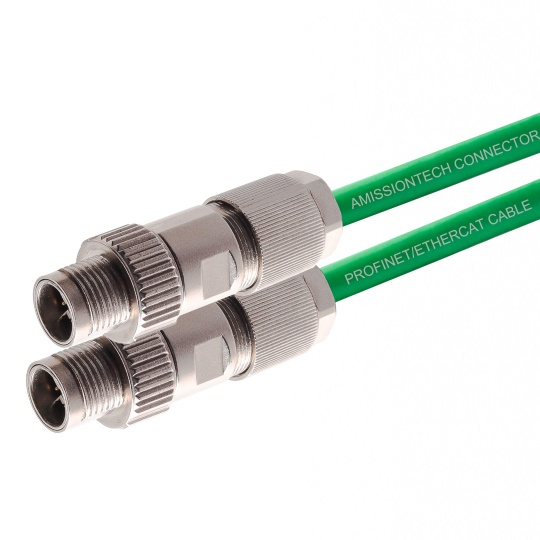
Industrial cable components are the backbone of reliable and efficient connectivity in industrial automation, robotics, and machinery. Engineered to withstand harsh environments while ensuring seamless data transmission and power delivery.
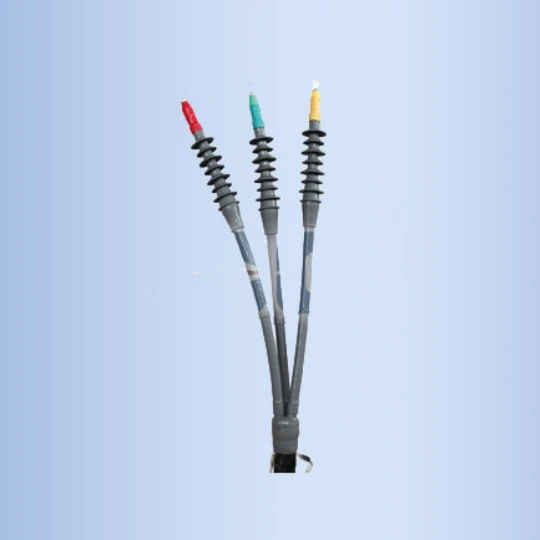
When it comes to electrical systems operating under extreme mechanical and electrical stress, high-load cable terminations are critical components that ensure seamless power transmission, safety, and system longevity. Engineered to .
Feel free to reach out to us for any inquiries or orders.