Industrial Cable Assemblies-Industrial Cable Assemblies factory
Industrial power cables are the lifeline of modern industrial systems, transmitting electrical energy to drive machinery, equipment, and production lines. However, when deployed in harsh environments—such as high-temperature foundries, corrosive chemical plants, humid offshore platforms, or dusty mining sites—their lifespan can be significantly shorter than the typical 20-30 years in mild conditions. Understanding the actual lifespan of these cables in adverse settings and the factors influencing it is crucial for industrial operators to avoid unexpected downtime, reduce maintenance costs, and ensure operational safety.
The lifespan of industrial power cables in harsh environments is not a fixed value but is determined by a combination of environmental stressors and cable design features. Below are the most impactful factors:
High temperatures are one of the most common and damaging stressors. Most standard cables use polyethylene (PE) or polyvinyl chloride (PVC) insulation, which begins to degrade when exposed to prolonged temperatures above 70°C. In environments like steel mills or glass manufacturing facilities, where temperatures can reach 150°C or higher, the insulation may become brittle, crack, or melt within 5-8 years. Conversely, extreme cold (below -20°C) can make insulation rigid and prone to splitting, reducing lifespan by 30-40% compared to temperate conditions.
Chemical plants, wastewater treatment facilities, and coastal areas with high salt spray expose cables to corrosive substances. Acids, alkalis, solvents, and salt can break down the cable’s jacket and insulation, leading to moisture ingress and electrical leakage. For example, in a petrochemical plant handling crude oil derivatives, unprotected cables may fail in 3-5 years. Even cables labeled “chemical-resistant” require careful material selection—fluoropolymers like PTFE or ETFE offer better resistance than PVC but still have a limited lifespan of 10-15 years in heavy chemical exposure.
Mining, construction, and material handling industries subject cables to constant mechanical stress: dragging over rough surfaces, impact from heavy equipment, or vibration from machinery. This wear damages the outer jacket, exposing the inner conductors and insulation. A study by the International Electrotechnical Commission (IEC) found that cables in mining operations have an average lifespan of just 6-10 years, compared to 15-20 years in low-mechanical-stress environments. Cables with armoured jackets (e.g., steel wire or tape) can extend this to 12-15 years but are not immune to severe abrasion.
Humid environments like tropical factories, offshore oil rigs, or underground tunnels cause moisture to seep into cables through small cracks or connector points. Moisture leads to insulation breakdown, conductor corrosion, and short circuits. In offshore settings, where cables are submerged or exposed to saltwater, unshielded cables may last only 4-7 years. Water-blocking tapes or gel-filled cables can mitigate this, but their lifespan still caps at 12-18 years in continuous high-humidity conditions.
Based on industry data and case studies, the average lifespan of industrial power cables in common harsh environments is as follows:
While harsh environments shorten cable lifespan, proactive measures can significantly extend their operational life:
When it comes to industrial power cables that stand up to harsh conditions, FRS brand factory is a trusted partner for global industrial operators. FRS specializes in designing and manufacturing cables with premium materials—from high-temperature-resistant silicone insulation to chemical-proof fluoropolymer jackets and heavy-duty armouring. Each cable undergoes rigorous testing in simulated harsh environments, ensuring it meets or exceeds international standards for lifespan and performance. Whether your operation faces extreme temperatures, corrosive chemicals, or heavy mechanical stress, FRS cables are engineered to deliver reliable power transmission for years, minimizing downtime and maintenance costs. Choose FRS, and let your industrial systems run with confidence, even in the toughest environments.
Our factory offers high-quality products at competitive prices
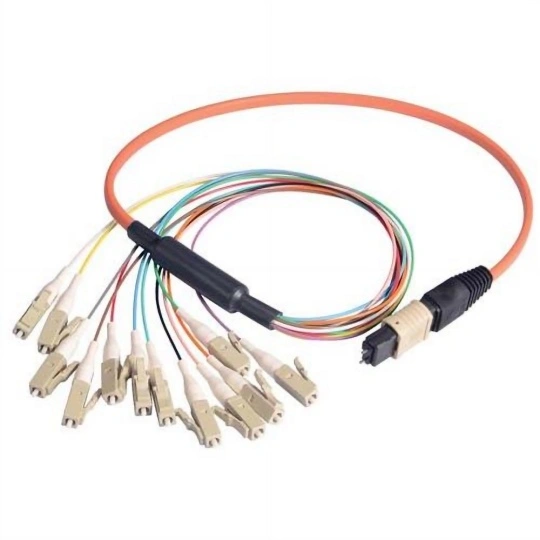
Heavy machinery cable assemblies are robust, high-performance connectivity solutions engineered to meet the demanding requirements of industrial and heavy-duty applications. Designed for durability, reliability, and optimal performance in.
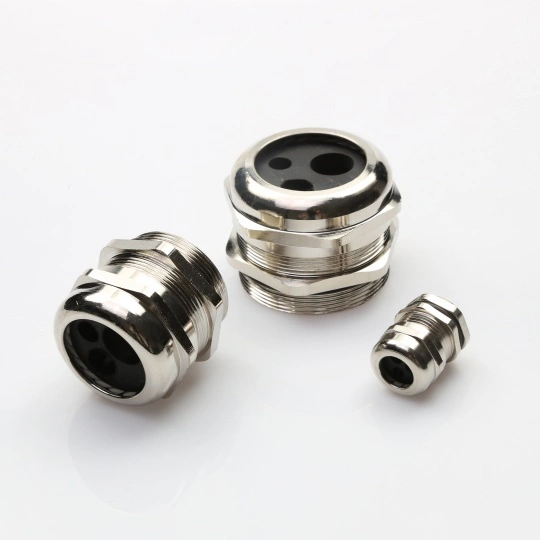
Corrosion-Resistant Cable Connectors: Reliable Connectivity for Harsh Environments Ensure uninterrupted performance in the toughest conditions with our corrosion-resistant cable connectors. Designed for durability and longevity, these.
Feel free to reach out to us for any inquiries or orders.