Industrial Cable Assemblies factory

Industrial Cable Assemblies factory

Industrial Cable Assemblies-Industrial Cable Assemblies factory

INFO

Introduction

Industrial robot cable assemblies serve as the lifelines of automation systems, requiring specialized materials to withstand dynamic movements, electromagnetic interference, and harsh industrial environments. This guide explores the key material compositions that enable cables to meet robotics’ extreme operational demands.

Core Material Components

1. Conductor Materials

  • Oxygen-free copper (OFC): The standard choice for high-flex applications due to superior conductivity and fatigue resistance
  • Tinned copper: Provides enhanced corrosion protection for humid or chemically aggressive environments
  • Fine-stranded conductors: Utilize 0.08-0.1mm diameter wires for optimal flexibility in continuous motion systems

2. Insulation Layers

  • Cross-linked polyethylene (XLPE): Balances flexibility with thermal stability (up to 125°C)
  • Polyurethane (PUR): Offers exceptional abrasion resistance and oil tolerance
  • Thermoplastic elastomers (TPE): Combine rubber-like flexibility with plastic processability
  • Fluoropolymers (PTFE/FEP): For extreme temperature ranges (-60°C to 200°C) and chemical resistance

3. Shielding Systems

  • Braid shielding: Tin-plated copper编织层提供95%+覆盖率对抗EMI
  • Foil shielding: Aluminum-polyester laminates for full-spectrum high-frequency protection
  • Hybrid shielding: Combines braid+foil for mission-critical applications

4. Outer Sheath Materials

Material TypeKey PropertiesApplicationsPUROil-resistant, flame-retardantAutomotive welding robotsPVCCost-effective, general purposeLight-duty assembly robotsTPEExtreme flexibility (-40°C to 90°C)Articulated arm robotsSiliconeHigh-temperature (up to 200°C)Foundry robots

Specialized Composite Materials

  • Aramid fiber reinforcement: Kevlar® yarns provide tensile strength without compromising flexibility
  • Conductive rubber layers: Dissipate static buildup in cleanroom applications
  • Nanocomposite coatings: Graphene-enhanced sheaths for ultra-wear resistance

Selection Considerations

  1. Bend radius: PUR/TPE suits <7.5×diameter applications
  2. Chemical exposure: Fluoropolymers withstand acids/alkalis
  3. Temperature cycles: Silicone maintains elasticity across extremes
  4. EMI susceptibility: Dual-shielded designs for sensitive electronics

Emerging Material Technologies

  • Self-healing elastomers that automatically repair minor abrasions
  • Phase-change materials for thermal management in high-current cables
  • Bio-based polymers meeting sustainability requirements

Conclusion

The material science behind industrial robot cables continues evolving to support faster, more precise automation. By understanding these material options, engineers can optimize cable performance for specific robotic applications while extending service life in demanding environments.

FAQ

NEWS

More Products

Our factory offers high-quality products at competitive prices
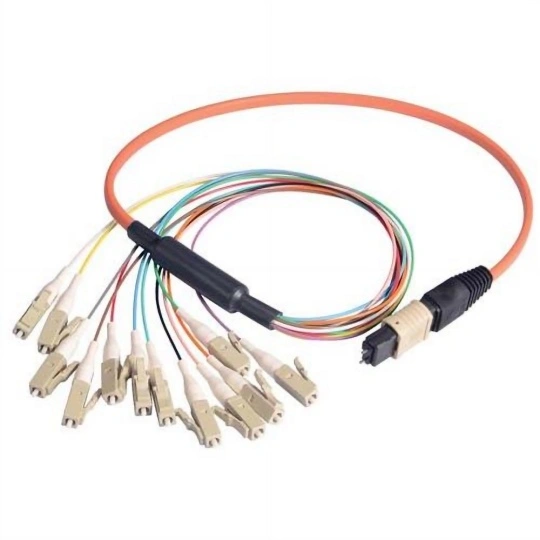
Shielded cable core

Shielded cable core

In today’s technology-driven world, maintaining uninterrupted signal integrity is critical for industrial, commercial, and residential applications. The ‌Shielded Cable Core‌ is engineered to deliver superior electromagnetic interference .

INDUSTRIAL CABLE ASSEMBLIES PRODUCTS ONE

INDUSTRIAL CABLE ASSEMBLIES PRODUCTS ONE

Industrial Cable Assembly Product Summary‌ ‌Material & Safety‌ Utilizes premium raw materials and globally recognized components (e.g., ABB, TE Connectivity)‌ ensuring high reliability and safety to prevent risks like fire and e.

Contact Us

Feel free to reach out to us for any inquiries or orders.

Call Us

Have a question? Give us a call!

+861881875005

Email Us

Send us an email and we'll get back to you soon.

sales@custom-cable-assemblies.com
       
Home Products Contact