In modern industrial environments, cables are constantly exposed to lubricants, cutting fluids, fuels, and cleaning agents. Oil resistant industrial cable assembliesare no longer optional in these settings; they are critical for ensuring safety, uptime, and total cost of ownership.
This article examines the industries that gain the most from these specialized cables and explains how to choose the right solution for each application.
1. Oil & Gas, Petrochemical & Refining
This sector is the largest consumer of corrosion- and oil-resistant cables due to its uniquely harsh conditions.
- Harsh Environments: Equipment is exposed to crude oil, diesel, hydraulic fluids, saltwater, sour gas (H₂S), and high temperatures. Offshore platforms, refineries, and LNG plants demand cables that withstand intense mechanical stress and corrosive chemicals.
- Critical Applications:
- Drilling rigs, well sites, and production platforms.
- Subsea umbilicals and MWD/LWD telemetry cables.
- Power, control, and instrumentation cables in mud pump rooms and production areas.
- Cables for petrochemical plants handling hydrocarbons and aggressive cleaning agents.
- Why It’s Critical: Cable failure can halt drilling operations, leading to daily losses of hundreds of thousands of dollars. Oil-resistant, corrosion-resistant, and often flame-retardant assemblies are essential for safety and uptime.
2. Industrial Manufacturing & Machine Tools
For industries where machines are constantly lubricated and cooled, oil-resistant cables are a fundamental requirement.
- Harsh Environments: Machine tools and metalworking centers are saturated with cutting oils, coolants, and hydraulic fluids. Cables in these areas face splashes, spills, and high-pressure washdowns.
- Critical Applications:
- Power and signal cables for CNC machines, machining centers, and presses.
- Control and sensor cables in automated production lines.
- Cables for industrial robots, especially in the automotive and electronics industries, where constant flexing in oily environments is common.
- Why It’s Critical: Standard PVC cables can swell, crack, or become brittle within months in oily environments. Oil-resistant PUR, TPE, or oil-resistant PVC sheathed cables offer superior flex life and chemical resistance, reducing downtime and extending replacement cycles.
3. Industrial Automation, Robotics & Motion Control
In highly automated facilities, cables must perform reliably while moving in oily, high-flex applications.
- Harsh Environments: Cables in robot arms, gantries, and drag chainsare exposed to lubricants and coolants while undergoing millions of bending cycles. Outdoor or semi-outdoor installations also face UV and weather exposure.
- Critical Applications:
- Servo motor and feedback cables in robot cells and automated assembly lines.
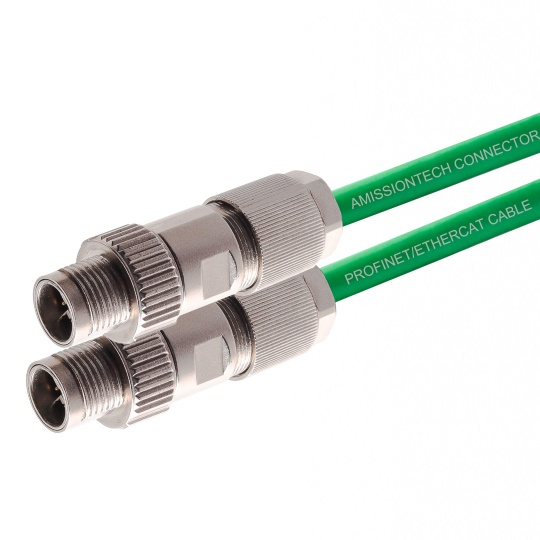
- Industrial Ethernet and fieldbus cables(e.g., PROFINET, EtherCAT) for real-time communication.
- High-flex energy chain cablesfor moving machine tools and material handling systems.
- Why It’s Critical: Oil-resistant, flexible cables with high flex life (5-10 million cycles or more) are crucial. Using the wrong cable here leads to unpredictable failures and costly production stops.
4. Automotive Manufacturing & EV Charging
The automotive sector, from traditional OEMs to EV production, relies heavily on oil-resistant cable assemblies.
- Harsh Environments: Assembly lines use oils, greases, and coolants. Under-the-hood testing and charging systems are exposed to fuels, transmission fluids, and high temperatures.
- Critical Applications:
- Cables for powertrain test benches(transmission, engine, and battery test stands).
- Cables for welding robots and automated guided vehicles (AGVs).
- High-flex sensor and communication cablesin dynamic applications.
- EV charging cablesthat must resist oil, abrasion, and UV while ensuring user safety.
- Why It’s Critical: Automotive OEMs and Tier-1 suppliers demand long-life, oil-resistant assemblies to avoid warranty claims and production delays. TPU-jacketed and PUR-based cables are common for their durability.
5. Food, Beverage & Pharmaceutical Processing
While cleanliness is paramount, these industries also have oily and greasy processes that demand robust cables.
- Harsh Environments: Equipment deals with edible oils, animal fats, and cleaning agents (detergents, acids, alkalis). Cables must be oil-resistant, washdown-capable, and compliant with hygiene standards.
- Critical Applications:
- Power and control cables for mixers, conveyors, and filling machines.
- Sensor and communication cablesin bottling and packaging lines.
- Cables for food-grade processing equipmentthat can withstand both oil and high-pressure, high-temperature washdowns.
- Why It’s Critical: Cables must not only resist oil but also meet FDA, EHEDG, or 3-A standards for food safety. Oil-resistant, chemical-resistant, and often low-smoke zero-halogen (LSZH) jackets are used to ensure both performance and hygiene.
6. Power Generation, Heavy Machinery & Mining
In these sectors, cables are exposed to high mechanical stress, oils, and often extreme temperatures.
- Harsh Environments: Power plants, steel mills, and mines have equipment that runs in oily, high-temperature, and abrasive conditions. Mobile and heavy machinery requires cables that can withstand constant vibration and flexing.
- Critical Applications:
- Cables for turbines, generators, and switchgearin power plants.
- Heavy-duty flexible cablesfor cranes, hoists, and conveyors in ports and mines.
- SOOW portable cablesfor industrial equipment that requires oil, water, and abrasion resistance.
- Why It’s Critical: Failures in these applications can cause catastrophic damage and safety hazards. Oil-resistant, flame-retardant, and mechanically tough cable assemblies are essential for reliable power and control.
7. Marine, Offshore & Port Equipment
Marine environments combine saltwater corrosion with exposure to fuels and lubricants.
- Harsh Environments: Ships, offshore platforms, and port machinery face a mix of seawater, fuel oil, hydraulic fluids, and UV radiation. Cables must be oil-resistant, corrosion-resistant, and often flame-retardant.
- Critical Applications:
- Power and control cables for shipboard systems and offshore platforms.
- Cables for cranes, winches, and other port handling equipment.
- Cables for offshore wind turbines, requiring resistance to saltwater, oil, and UV.
- Why It’s Critical: Offshore wind farms, for example, require long-life, corrosion- and oil-resistant cables for dynamic cable runs. Using standard cables leads to premature failure and extremely high replacement costs.
8. Transportation Infrastructure
Rail, metro, and other transit systems use cables in oily, high-vibration environments.
- Harsh Environments: Rolling stock and trackside equipment are exposed to lubricants, hydraulic fluids, and de-icing salts. Cables must be oil-resistant, flame-retardant, and durable under vibration and moisture.
- Critical Applications:
- Power and control cables inside trains, metros, and trams.
- Cables for signaling, communication, and onboard electronics.
- Cables for charging systemsin electric buses and trains.
- Why It’s Critical: Safety and reliability are paramount. Oil-resistant, flame-retardant, and halogen-free cables are widely specified to ensure safe operation in confined spaces.
9. Renewable Energy (Wind, Solar, BESS)
While known for environmental friendliness, these installations have demanding engineering requirements.
- Harsh Environments: Offshore wind turbines are exposed to saltwater, oil, and UV. Solar farms in deserts face high temperatures and UV, while battery energy storage systems (BESS) are in industrial cabinets with oils and coolants.
- Critical Applications:
- Cables for wind turbine pitch and yaw systems, nacelles, and towers.
- Cables for solar farm combiner boxes and power stations.
- Cables for BESS containers, where power and control wiring is exposed to heat and potential oil/grease from cooling systems.
- Why It’s Critical: Offshore wind projects, for instance, use specialized subsea and dynamic cables that must resist oil, corrosion, and mechanical stress for 20+ years. The wrong cable choice leads to massive lifecycle costs.
How to Choose the Right Oil Resistant Industrial Cable Assembly
Selecting the right cable involves a systematic approach:
- Identify the Oil Type & Exposure Level
- Oil Type: Is it mineral oil, hydraulic fluid, fuel, or cutting fluid? Each has different chemical compatibilities.
- Exposure Level: Is it occasional splash, frequent spray, or full immersion? This determines the level of chemical resistance required.
- Match the Jacket Material to the Environment
- PVC (Oil-Resistant): Cost-effective for general industrial oils and moderate temperatures.
- TPE/Elastomer: Better flexibility and chemical resistance across a wider temperature range.
- TPU/PUR: Superior oil, abrasion, and tear resistance. Ideal for dynamic applications and harsh washdowns.
- Special Compounds (e.g., FKM, CR): Used in extreme chemical and high-temperature environments like oil & gas.
- Consider Mechanical Stress & Flex Life
- For static installations, standard flexible cables may suffice.
- For dynamic applications(robots, drag chains), specify high-flex cables rated for millions of cycles with proper bend radii.
- Address Environmental & Safety Requirements
- Outdoor Use: UV resistance is crucial.
- Confined Spaces: Consider low-smoke zero-halogen (LSZH) jackets for fire safety.
- Hazardous Areas: Ensure the cable meets ATEX/IECEx standards for explosive atmospheres.
- Verify Standards & Certifications
- Ensure the cable meets relevant IEC, UL, CSA, or EN standards.
- For food/pharma, check for FDA, EHEDG, or 3-A compliance.
- For marine/offshore, look for DNV-GL or ABS certifications.
- Evaluate Total Cost of Ownership (TCO)
- While oil-resistant cables have a higher upfront cost, they offer a longer service life and reduced downtime.
- Calculate TCO, not just the purchase price, to make an informed decision.
Conclusion
Oil resistant industrial cable assembliesare mission-critical components in industries where reliability is paramount. From oil & gas to food processing and renewable energy, the right cable ensures safety, maximizes uptime, and reduces lifecycle costs.
For B2B buyers and engineers, the key is to move beyond simply asking for “oil-resistant” cables. A detailed assessment of the specific oil type, environmental conditions, mechanical stress, and safety requirements is essential to select the optimal assembly for long-term success.