Strong electromagnetic interference (EMI) in industrial settings like factories, power plants, and processing facilities can wreak havoc on sensitive equipment and signal integrity. Proper cable grounding is your critical defense against disruptive noise, data corruption, and equipment malfunctions. Follow these best practices to shield your systems:
- Shield is Mandatory:
- Always Use Shielded Cable: Unshielded cable offers almost no protection. Choose cables with braided copper shields (ideally >85% coverage) or foil-over-braid combinations for superior high-frequency EMI rejection.
- Connect Shields Correctly: This is crucial. Shields must provide a continuous, low-impedance path for interference current to flow safely to ground. Focus on creating a direct path away from your signal wires.
- Ground Shield at Both Ends (Generally Recommended):
- Contrary to some low-frequency practices, grounding the cable shield at both the source and receiving equipment enclosures is typically best in high-EMI environments. This minimizes the antenna loop area formed by the shield and ground reference plane, effectively draining high-frequency noise.
- Exceptions: Carefully follow specific device manufacturer instructions. Some highly sensitive analog instruments might specify single-point grounding schemes to avoid ground loops, though modern differential signaling often mitigates this issue.
- Create Superior Shield Terminations:
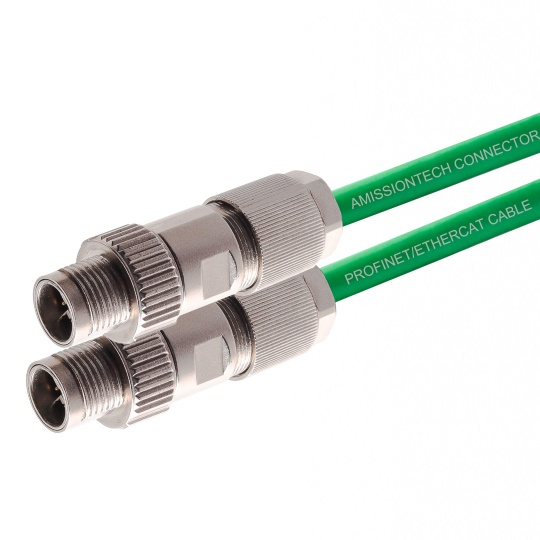
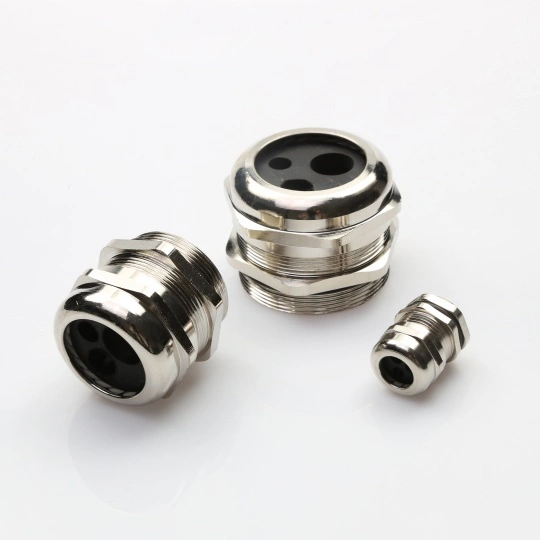
- 360-Degree (Peripheral) Connection: This is essential. Use connectors specifically designed to clamp the shield circumferentially around the cable jacket (e.g., metal backshells with conductive grommets or strain relief, EMI shielding glands, D-sub connectors with proper shield clamps). Avoid “pigtails” – short wires soldered to the shield and then connected to ground are inductors that compromise high-frequency effectiveness.
- Large Surface Area: Ensure the clamp or connector contacts as much of the shield braid/foil as possible.
- Low-Resistance Path: The metal connector shell itself must provide a very low-resistance path to the equipment chassis/enclosure ground. Clean unpainted metal-to-metal contact is vital.
- Establish Reliable Earth Ground Reference:
- Equipment Enclosure Connection: Securely bond the connector backshell or shield termination point directly to a robust earth ground point on the equipment enclosure using a short, wide braided ground strap or screw/lug connection onto clean, unpainted metal.
- Robust Master Ground Point: All equipment enclosures must connect back to a solid, low-impedance facility earth ground bus bar or grounding rod system (following codes like NEC Article 250, IEC 60364). This central point is the “drain” for interference currents.
- Ground Path Resistance: Aim for less than 1 ohm resistance between any equipment ground point and the main earth ground.
- Mind Separation and Routing:
- Segregate Sensitive Cables: Keep power cables (especially those feeding VFDs, welders, motors) and high-noise signal cables far away from low-level analog or digital communication cables. Cross them at right angles if paths must intersect.
- Avoid Ground Loops: While grounding shields at both ends is standard, ensure all connected equipment shares a common, high-quality earth ground reference point to minimize potential differences that could drive ground loops. Grounding electrodes should be well-bonded together.
Critical Execution Details:
- Connectors Matter: Specify shielded connectors with robust metal shells (e.g., shielded M8/M12, MIL-DTL-38999, bayonet styles). Plastic connectors without grounding features are insufficient.
- Backshells are Key: Use conductive metal backshells integrated with the connector shell, clamping the cable shield peripherally.
- Surface Prep: Remove paint, anodization, rust, or corrosion from enclosure contact points for metal-to-metal contact. Use serrated washers if necessary.
- Inspect & Maintain: Periodically check shield termination points and grounding connections for corrosion, loosening, or damage. Vibration is a common culprit.
Summary Checklist:
- ☑ Shielded cable only (high-coverage braid preferred).
- ☑ Ground cable shield directly & continuously to enclosure at BOTH ends.
- ☑ 360-degree clamp termination – NEVER pigtails.
- ☑ Bond connector shell to clean, unpainted equipment chassis.
- ☑ Verify chassis connects to robust earth ground (<1 ohm).
- ☑ Segregate noisy and sensitive cables.
- ☑ Use shielded connectors with proper metal backshells.
Implementing these fundamental grounding practices creates a solid foundation, significantly boosting signal reliability and equipment resilience in even the toughest electrical noise environments. Your installations will deliver consistent performance and reduced downtime. Need robust shielded cable assemblies built for high-EMI? Contact Our Experts Today for solutions tailored to your challenging environment.