Industrial Cable Assemblies-Industrial Cable Assemblies factory
In offshore oil and gas production, oil and gas industrial cable assembliesare far more than passive wiring—they are critical lifelines. They transmit power and data to everything from topside drilling systems to subsea control umbilicals. Failures in these assemblies can trigger production shutdowns, fires, explosions, and major environmental incidents. With the industry pushing into deeper water and harsher environments, the latest generation of high-temperature resistant oil and gas industrial cable assembliesis being deployed to improve safety, reliability, and asset integrity.
Offshore platforms, FPSOs, and subsea installations operate in some of the planet’s harshest conditions. Unlike onshore plants, these environments combine:
These factors make the reliability of oil and gas industrial cable assembliesa direct contributor to offshore safety and uptime.
Offshore environments subject cables to constant thermal cycling. New assemblies use advanced insulation and jacketing materials like cross-linked polyolefins (XLPE), fluoropolymers (FEP, PTFE), and high-temperature-resistant rubbers. These can operate continuously at 125–150 °Cand handle short-term peaks of 180–200 °Cor more, preventing embrittlement and maintaining flexibility.
In a fire, cables are both a source of fuel and a potential ignition point. Modern high-temperature resistant oil and gas industrial cable assembliesare designed to be flame-retardant and low-smoke, halogen-free (LSFH). If a fire occurs, they limit flame spread and toxic gas emissions, which is vital for safe evacuation and emergency response on an offshore platform.
Conventional offshore cables may last 8–10 years, but high-temperature-resistant designs with robust materials can last significantly longer under the same conditions. This extended service life reduces the need for unplanned shutdowns and the risks associated with cable replacement in hazardous areas.
High-temperature-resistant cables maintain stable electrical performance, preventing insulation breakdown and short circuits in high-heat zones like generator rooms and well-control panels. Their flame-retardant properties further reduce the risk of a minor fault escalating into a major accident.
Offshore safety depends on real-time data from sensors and control systems. New assemblies ensure these critical signals are transmitted without interruption, even near high-temperature equipment or in subsea wells. Features like custom shielding and overmolding protect against EMI/RFI and mechanical stress, ensuring data integrity for blowout preventer (BOP) controls and well monitoring systems.
In areas with explosive atmospheres (classified as Zone 1, Zone 2, or Division 1/2), cables must be fire-resistant and certified for hazardous locations. New assemblies are available with ATEX, IECEx, and NEC/CEC hazardous area certifications, ensuring they perform safely where flammable gases or vapors are present.
Advanced assemblies are easier and safer to maintain. Color coding, durable labeling, and modular designs simplify inspections and component replacement. Their longer service life also allows for better-planned shutdowns, reducing the need for risky, reactive maintenance during emergency outages.
As the oil and gas industry advances into deeper waters and more complex environments, the performance of oil and gas industrial cable assembliesis a critical factor in operational safety. The new generation of high-temperature resistantassemblies directly addresses the industry’s toughest challenges by providing greater fire safety, longer service life, and uncompromising reliability.
For offshore operators, selecting the right high-temperature resistant cable assembly is not just a technical decision—it is a strategic investment in safety, uptime, and environmental protection.
Our factory offers high-quality products at competitive prices
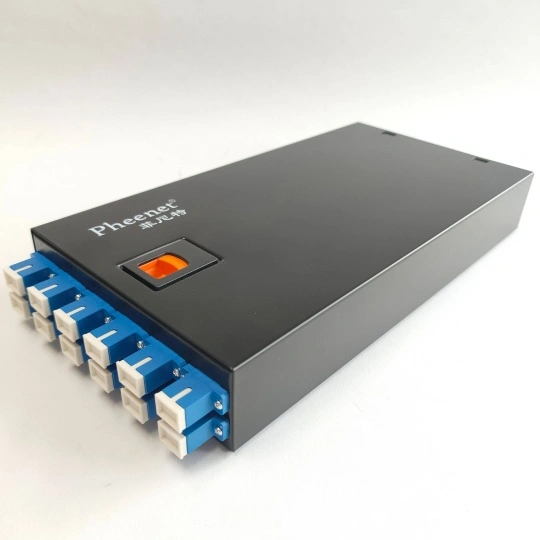
Product OverviewQuick-Install Cable Adapters are the game-changing connectivity solution designed for professionals and DIY enthusiasts alike. Engineered to eliminate installation hassles, these adapters provide instant, tool-free conne.
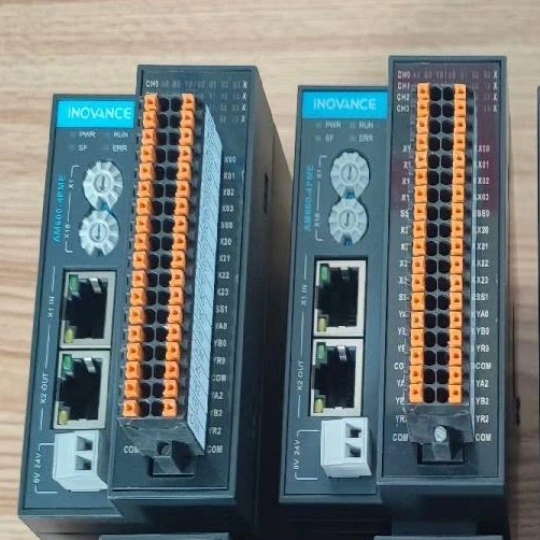
Meta Description: Discover high-performance industrial control cable module components designed for seamless automation, harsh environments, and superior connectivity. Explore specs, certifications, and applications. H2: Industrial Con.
Feel free to reach out to us for any inquiries or orders.