Industrial Cable Assemblies factory

Industrial Cable Assemblies factory

Industrial Cable Assemblies-Industrial Cable Assemblies factory

INFO

Old cables, whether from electronics, appliances, or charging devices, often accumulate in homes and offices. The good news is that ​yes, most old cables can be recycled, reducing electronic waste (e-waste) and recovering valuable materials. Here’s a breakdown of how cable recycling works and why it matters.


How Are Old Cables Recycled?

Cables contain metals like copper, aluminum, and sometimes gold or silver, which are highly recyclable. The outer insulation, typically made of plastic or rubber, can also be repurposed. Here’s the general process:

  1. Sorting: Cables are categorized by type (e.g., USB, HDMI, power cords).
  2. Shredding: Machines shred cables into small pieces to separate materials.
  3. Separation: Advanced techniques (like magnetic separation or water filtration) isolate metals from plastics.
  4. Reuse: Purified metals are melted and reused in new products, while plastics are pelletized for manufacturing.

Where to Recycle Old Cables

  • E-Waste Facilities: Many cities have dedicated e-waste recycling centers that accept cables.
  • Retailer Programs: Stores like Best Buy, Staples, or Apple often take back old cables for recycling.
  • Scrap Metal Yards: These facilities may pay for cables containing copper or other valuable metals.
  • Mail-In Services: Companies like TerraCycle or CableCycle offer recycling kits for mailed-in cables.

Common Types of Recyclable Cables

  • Power Cords: From laptops, monitors, or appliances (copper wires + plastic/rubber coating).
  • USB/Charging Cables: Contains copper and insulated plastics.
  • HDMI/Ethernet Cables: Recyclable for their metal components.
  • Coaxial Cables: Often contain copper and aluminum.

Non-Recyclable Cables: What to Do?

Cables coated with hazardous materials (e.g., lead-based insulation) or mixed with non-separable components may not be recyclable. In such cases:

  • Check Local Regulations: Some municipalities require special handling for hazardous e-waste.
  • Repurpose: Use old cables for DIY projects or donate them to makerspaces.

Why Recycle Cables?

  • Resource Conservation: Recycling reduces the need for mining virgin metals.
  • Environmental Protection: Prevents toxic materials from leaching into soil and water.
  • Legal Compliance: Many regions legally mandate e-waste recycling.

FAQ

NEWS

More Products

Our factory offers high-quality products at competitive prices
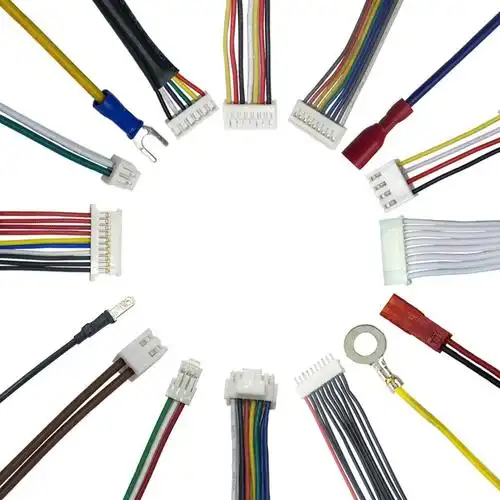
INDUSTRIAL CABLE ASSEMBLIES PRODUCTS ONE

INDUSTRIAL CABLE ASSEMBLIES PRODUCTS ONE

Industrial Cable Assembly Product Summary‌ ‌Material & Safety‌ Utilizes premium raw materials and globally recognized components (e.g., ABB, TE Connectivity)‌ ensuring high reliability and safety to prevent risks like fire and e.
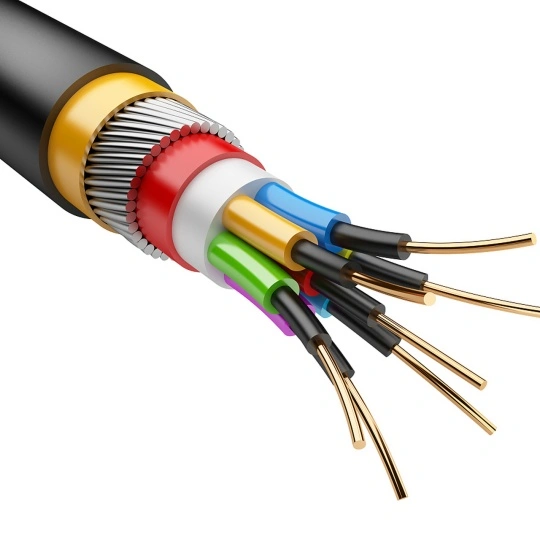
Shielded cable core

Shielded cable core

In today’s technology-driven world, maintaining uninterrupted signal integrity is critical for industrial, commercial, and residential applications. The ‌Shielded Cable Core‌ is engineered to deliver superior electromagnetic interference .

Contact Us

Feel free to reach out to us for any inquiries or orders.

Call Us

Have a question? Give us a call!

+861881875005

Email Us

Send us an email and we'll get back to you soon.

sales@custom-cable-assemblies.com
       
Home Products Contact