Industrial Cable Assemblies-Industrial Cable Assemblies factory
Industrial cable insulation materials play a pivotal role in ensuring the safe and efficient transmission of electrical power across various sectors. These materials act as a protective barrier, preventing electrical leakage, minimizing heat loss, and safeguarding conductors from environmental damage. As industrial environments grow more complex—requiring durability, high-temperature resistance, and chemical stability—understanding the diverse range of insulation materials and their applications becomes critical for engineers, manufacturers, and maintenance professionals. This article delves into the key types, essential properties, and real-world uses of industrial cable insulation materials, empowering readers to make informed decisions for their specific needs.
The ability to resist electrical breakdown under high voltage is a core property. Materials like XLPE and PTFE exhibit high dielectric strength, ensuring minimal power loss and safe operation in high-voltage systems.
Different applications demand varying temperature tolerances. For example, cables in steel mills or kilns require materials like silicone or ceramic fiber insulation, capable of withstanding sustained high heat without degrading.
In industrial settings exposed to oils, solvents, or moisture, materials like PVC (resistant to mild chemicals) or EPR (resistant to ozone and weathering) are preferred to prevent degradation and ensure long service life.
Abrasion, impact, and flexibility are crucial for cables subjected to constant movement or rough handling. Rubber-based insulations and reinforced thermoplastics excel in such mechanical stress scenarios.
In utility grids and industrial power plants, XLPE- and EPR-insulated cables dominate medium- to high-voltage applications, ensuring reliable power delivery with minimal maintenance. Underground and subsea cables rely on PE or PTFE for moisture resistance and longevity.
Control cables in factories use PVC or low-smoke zero-halogen (LSZH) materials to meet safety standards, while machinery in extreme environments (e.g., cement plants, refineries) requires high-temperature-resistant silicone or PTFE insulation.
In electronics, thin, flexible insulations like PTFE or polyimide are used in microelectronics and aerospace wiring to balance insulation performance with minimal signal interference and weight.
Selecting the appropriate material involves evaluating voltage requirements, temperature ranges, environmental conditions, and cost. Engineers must prioritize safety, durability, and compliance with industry standards (e.g., UL, IEC) to avoid failures and downtime.
When it comes to reliable, high-quality industrial cable insulation materials, FRS Brand Factory stands as a leader in the field. With decades of expertise, we specialize in manufacturing a diverse range of insulation solutions tailored to the most demanding industrial environments. Our products—including XLPE, EPR, silicone, and PTFE insulations—are engineered to meet strict international standards, offering exceptional thermal resistance, chemical durability, and electrical performance.
Whether you need cables for high-voltage power grids, extreme-temperature machinery, or precision electronic systems, FRS ensures optimal material selection and consistent quality. Our commitment to innovation and customer collaboration means we deliver customized solutions that enhance safety, efficiency, and operational longevity.
Partner with FRS Brand Factory today and experience the difference of insulation materials designed for the future of industry. Contact us to discuss your project requirements and discover how our products can elevate your applications.
Our factory offers high-quality products at competitive prices
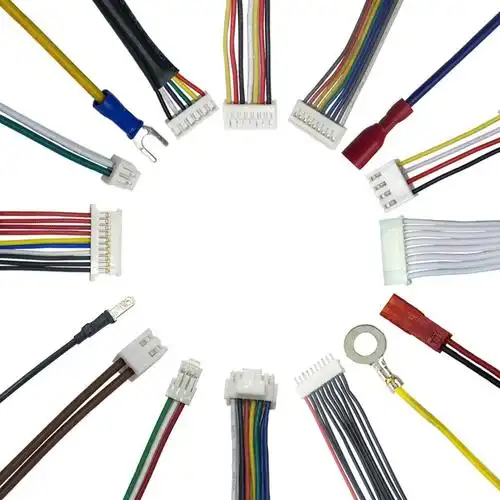
Industrial Cable Assembly Product Summary Material & Safety Utilizes premium raw materials and globally recognized components (e.g., ABB, TE Connectivity) ensuring high reliability and safety to prevent risks like fire and e.
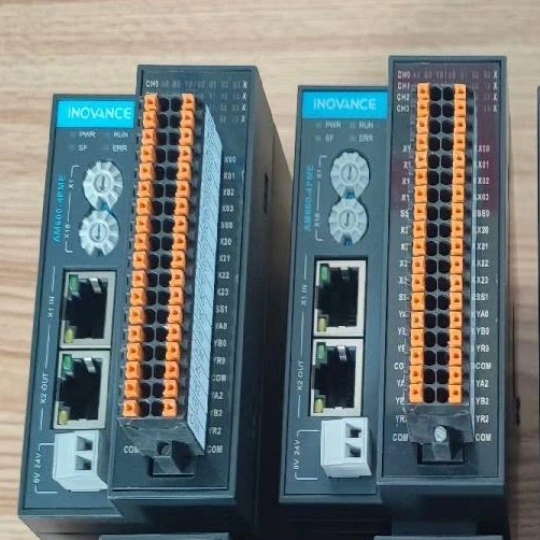
Meta Description: Discover high-performance industrial control cable module components designed for seamless automation, harsh environments, and superior connectivity. Explore specs, certifications, and applications. H2: Industrial Con.
Feel free to reach out to us for any inquiries or orders.