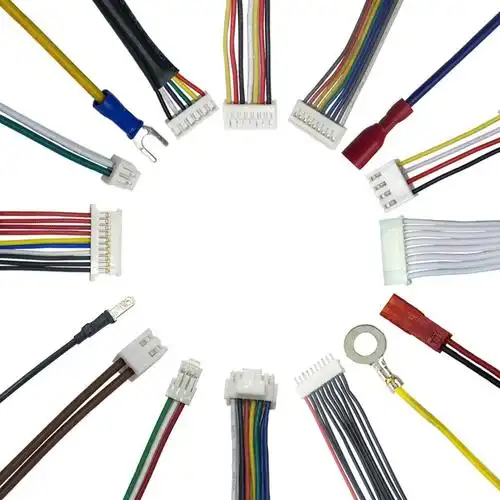
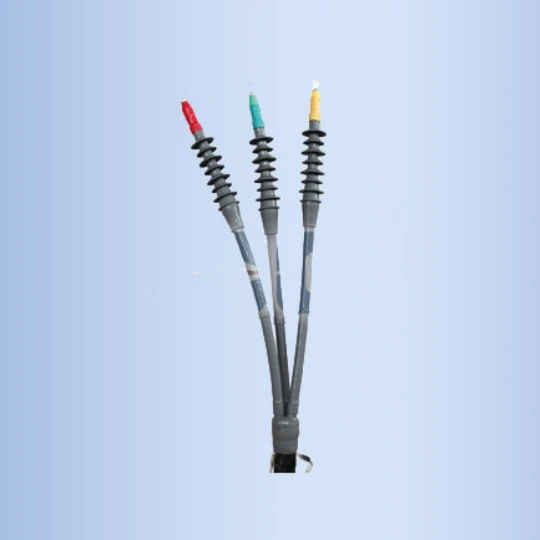
Industrial cable assemblies are vital lifelines in manufacturing, powering machinery and enabling communication. Dusty environments pose a significant threat, leading to connector damage, short circuits, insulation degradation, and equipment failure. Here’s how to proactively maintain them:
1. Seal Entry Points Rigorously:
- Use Proper Connectors: Specify connectors with high IP (Ingress Protection) ratings like IP65, IP67, or IP69K. Dust-tight seals (IP6X) are crucial.
- Apply Mating Caps & Covers: Always use dust caps on unused connector receptacles and plugs.
- Secure Cables: At entry/exit points into equipment or enclosures, use sealed cable glands, strain relief boots, or conduit systems designed for dust exclusion. Ensure seals are compressed correctly and undamaged.
- Seal Conduit Joints: If using conduit, ensure all joints and end fittings are properly sealed with approved compounds or sealing tape.
2. Choose the Right Cable Construction:
- Robust Jackets: Select cables with durable, abrasion-resistant jackets made from materials like PUR (Polyurethane) which resist dust permeation better than standard PVC.
- Overbraiding/Shielding: Consider overbraided cables or shielded cables with a full-coverage foil + braid for added dust protection and physical resilience.
3. Implement Regular Cleaning (Safely):
- Frequency: Clean assemblies during scheduled machine downtime or maintenance periods. Frequency depends on dust levels (daily/weekly/monthly).
- Method:
- Low Pressure Air: Use dehydrated compressed air (< 30 PSI) to blow dust along the cable run (not directly at connectors). Hold connectors face-down so dislodged dust falls away.
- Soft Brushes/Vacuum: Use ESD-safe soft brushes to loosen dust, followed by vacuuming with a HEPA filter-equipped nozzle. Vacuum near connectors, not into them.
- Wiping: Use lint-free, slightly dampened (with approved electronics cleaner or isopropyl alcohol – power off!) cloths. Avoid excessive moisture.
- Critical: ALWAYS disconnect power and follow LOTO (Lock Out, Tag Out) procedures before cleaning near connectors or interfaces. Never spray liquids directly onto connectors or equipment.
4. Conduct Preventive Inspections:
- Visual Checks: Regularly inspect connectors for dust buildup, bent pins, cracked seals, or damaged housing.
- Cable Inspections: Look for abrasions, cuts, kinks, or flattened sections in the jacket caused by dust buildup or wear.
- Feel Connectors: Excessive heat at a connector during operation can indicate dust-induced resistance or poor contact.
- Check Glands & Seals: Ensure seals are intact, correctly compressed, and haven’t become brittle.
5. Proactive Storage:
- Offline Cables: When cables are disconnected for extended periods (even overnight in dusty areas), store them sealed in plastic bags or bins with desiccant packs if moisture is also present. Keep connectors capped.
- Coiling: Store coiled cables off the floor to prevent dust accumulation underneath.
6. Strategic Routing & Protection:
- Avoid Dust Traps: Route cables away from high dust generation points and hot equipment. Keep cables elevated where possible.
- Use Cable Tracks/Drag Chains: Employ cable carriers designed for dusty environments. Choose tracks with side brushes/wiper seals to deflect debris.
- Add Temporary Shields: In extreme conditions, use split flexible conduit or protective sleeving (e.g., braided sleeving or abrasion-resistant wraps) over critical runs.
7. Promptly Replace Damaged Components:
- If seals are cracked, connectors are full of debris that can’t be safely cleared, or jackets are damaged, replace the connector assembly or damaged section immediately. Compromised components are failure points.
Key Takeaway: Consistent prevention (sealing, proper components, strategic routing) combined with disciplined inspection and safe cleaning routines significantly extends cable life, ensures reliable operation, and prevents costly downtime in dusty industrial settings. Prioritize sealing and proactive maintenance over reactive fixes.