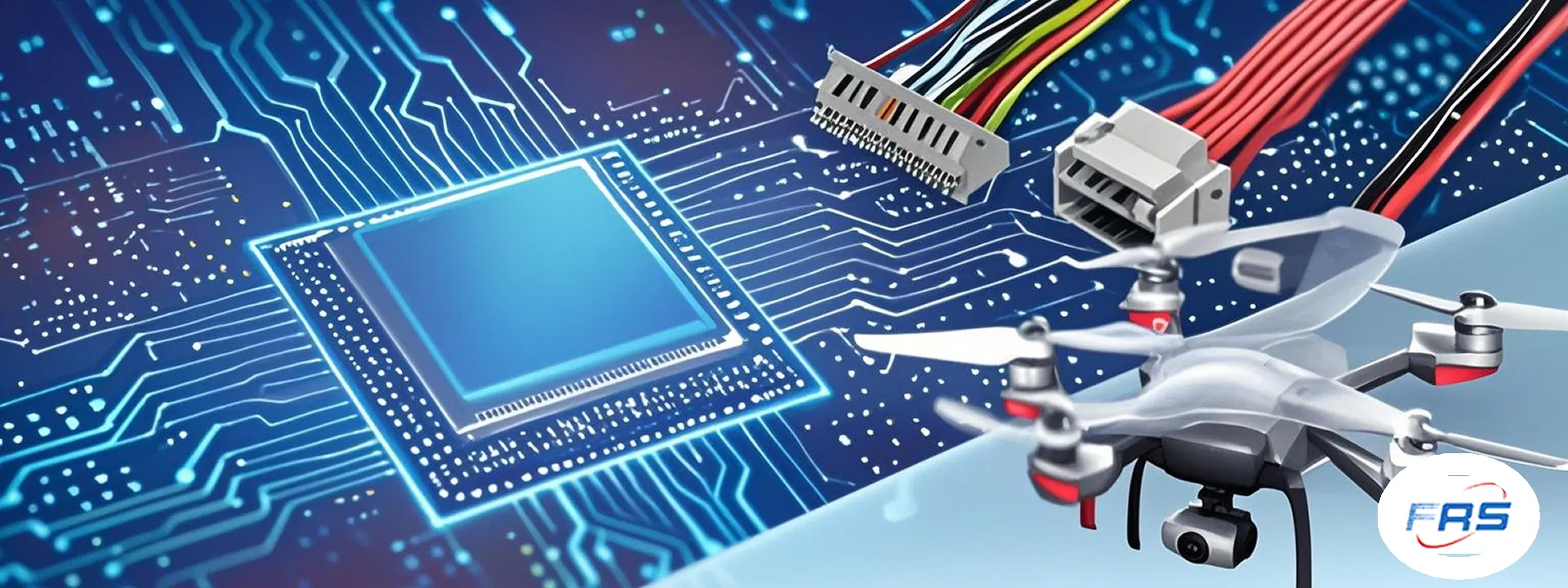
Industrial Cable Assemblies-Industrial Cable Assemblies factory
In the fast-paced world of industrial automation, where precision, reliability, and efficiency are non-negotiable, every component plays a critical role in keeping operations running smoothly. Among these unsung heroes are industrial automation cable assemblies—integrated solutions that serve as the “nervous system” of automated systems, transmitting power, data, and control signals between machines, sensors, controllers, and other key devices. Without high-quality cable assemblies tailored to industrial environments, the seamless coordination of robots, conveyors, CNC machines, and smart factory systems would be impossible. This article delves into what industrial automation cable assemblies are, their core components and characteristics, and their key applications across various industries, providing actionable insights for engineers, plant managers, and anyone involved in industrial automation projects.
Industrial automation cable assemblies are pre-fabricated bundles of cables, wires, and connectors that are specifically designed to withstand the harsh conditions of industrial settings while ensuring reliable signal and power transmission. Unlike standard off-the-shelf cables, these assemblies are customized to meet the unique requirements of automation systems—including specific length, connector type, shielding, and insulation—resulting in a plug-and-play solution that reduces installation time, minimizes errors, and enhances system performance.
At their core, industrial automation cable assemblies consist of three main components: conductors, insulation, and connectors. Conductors—typically made of copper or aluminum—are responsible for carrying electrical signals or power. The number and gauge of conductors vary based on the application: for example, data transmission may require finer gauge conductors, while power delivery needs thicker, more robust ones. Insulation materials, such as PVC, polyethylene (PE), or fluoropolymers like PTFE, protect the conductors from short circuits, moisture, and chemical exposure. Connectors, which come in various types (e.g., M12, M8, D-Sub, Ethernet RJ45), provide a secure, detachable interface between the cable assembly and the devices it connects.
A key feature that sets industrial automation cable assemblies apart is their ability to resist environmental stressors common in factories and industrial facilities. These include extreme temperatures (ranging from -40°C to 125°C or higher), vibration from machinery, exposure to oils, chemicals, and moisture, and electromagnetic interference (EMI) from nearby power lines or heavy equipment. To address these challenges, many assemblies incorporate shielding (e.g., braided copper, foil) to block EMI, armored jackets for physical protection, and IP-rated connectors to ensure dust and water resistance (with ratings like IP67 or IP68 for harsh, wet environments).
When selecting cable assemblies for industrial automation, several critical characteristics determine their suitability for a given application. Understanding these features helps ensure that the assembly can withstand the demands of the environment and deliver consistent performance:

Industrial automation cable assemblies are ubiquitous across industries, supporting a wide range of automated processes. Their versatility and customization make them indispensable in applications where reliable signal and power transmission is critical. Below are the most common and impactful applications:
Robotics is one of the fastest-growing areas of industrial automation, and cable assemblies are the lifeline of robotic systems. From articulated robots on assembly lines to collaborative robots (cobots) working alongside humans, these machines rely on cable assemblies to transmit power to motors, feedback signals from encoders (which track position and speed), and control signals from programmable logic controllers (PLCs). In robotic applications, flexibility is paramount—cables must withstand constant bending and twisting as the robot moves through its range of motion. Specialized “robot cables” or “continuous flex” cable assemblies are designed for this purpose, with stranded conductors and abrasion-resistant jackets that can endure millions of bending cycles without failure. For example, in automotive manufacturing, robotic arms used for welding, painting, and assembly depend on high-temperature resistant cable assemblies that can withstand the heat of welding torches and the chemicals used in painting processes.
Smart factories—equipped with IoT (Internet of Things) devices, sensors, and connected machinery—rely heavily on industrial automation cable assemblies to enable data-driven operations. These assemblies connect sensors (e.g., temperature, pressure, proximity sensors) to PLCs and SCADA (Supervisory Control and Data Acquisition) systems, allowing real-time monitoring of production processes. For example, in a food and beverage plant, temperature sensors connected via cable assemblies monitor refrigeration units, ensuring compliance with food safety standards. In a packaging facility, proximity sensors detect the presence of products on conveyors, triggering automated packaging and labeling processes. Ethernet cable assemblies (e.g., Cat5e, Cat6) are also critical in smart factories, enabling high-speed data transmission between IoT devices, cloud-based platforms, and control systems for remote monitoring and predictive maintenance.
CNC (Computer Numerical Control) machines—used for precision cutting, milling, and turning in metalworking and manufacturing—depend on cable assemblies to transmit control signals from the CNC controller to the machine’s motors, servos, and tool changers. These assemblies must be robust enough to withstand the vibration and metal debris common in CNC environments, as well as the high currents required to power the machine’s motors. Shielded cable assemblies are essential here to prevent EMI from disrupting the precise control signals that ensure accurate machining. For example, in an aerospace component manufacturing facility, CNC machines use high-precision cable assemblies to maintain tight tolerances when machining critical parts like engine components or landing gear.
The Industrial Internet of Things (IIoT) connects millions of devices in industrial settings, and cable assemblies serve as the physical layer for many of these connections. While wireless technologies like Wi-Fi and Bluetooth are used in some applications, wired cable assemblies are preferred for critical IIoT applications due to their reliability, security, and ability to transmit large volumes of data without interference. Cable assemblies connect IIoT sensors (e.g., vibration sensors, energy meters, asset trackers) to gateways and cloud platforms, enabling predictive maintenance (by monitoring equipment health), energy management (by tracking power usage), and supply chain optimization (by tracking inventory). In mining and oil & gas operations, for example, IIoT sensors connected via rugged cable assemblies monitor equipment in remote and harsh environments, alerting operators to potential failures before they occur.
Automated packaging lines and material handling systems—including conveyors, sortation systems, and palletizers—rely on cable assemblies to power motors, transmit control signals, and connect sensors. In a warehouse or distribution center, for example, conveyor systems use cable assemblies to control the speed and direction of belts, while photoelectric sensors connected via cables detect packages and trigger sorting mechanisms. Cable assemblies in these applications must be resistant to dust, moisture, and mechanical wear, as they are often exposed to constant movement and environmental debris. In pharmaceutical packaging, cable assemblies must also meet strict hygiene standards, with jackets that are easy to clean and resistant to cleaning chemicals.
The automotive industry is a leader in industrial automation, with highly automated production lines for assembling vehicles. Cable assemblies play a critical role in every stage of automotive manufacturing, from stamping and welding to painting and final assembly. In welding robots, high-temperature cable assemblies transmit power to welding torches and control signals to adjust the welding parameters. In paint booths, chemical-resistant cable assemblies connect sensors that monitor paint thickness and quality. Additionally, cable assemblies are used in automated guided vehicles (AGVs) that transport parts between production stations, providing power and navigation signals to the vehicles.
Renewable energy sources like solar and wind power rely on industrial automation for efficient operation and monitoring. In solar farms, cable assemblies connect solar panels to inverters (which convert DC power to AC power) and monitoring systems, transmitting data on energy production and panel performance. These assemblies must be resistant to UV radiation, extreme temperatures, and moisture, as they are often installed outdoors. In wind turbines, cable assemblies connect sensors that monitor turbine performance (e.g., blade speed, vibration) to control systems, enabling remote monitoring and maintenance. The harsh outdoor environment of wind and solar farms requires cable assemblies with rugged jackets and IP-rated connectors to withstand rain, snow, and extreme temperatures.
Investing in high-quality industrial automation cable assemblies is not just a matter of performance—it’s a matter of cost savings. Poorly designed or low-quality cable assemblies are prone to failure, which can lead to costly downtime, lost production, and expensive repairs. For example, a single cable failure in an automotive assembly line can halt production for hours, resulting in losses of tens of thousands of dollars. In addition, low-quality cable assemblies may not meet industry standards, leading to safety risks such as electrical fires or equipment damage.
High-quality cable assemblies, on the other hand, are designed to last, reducing the need for frequent replacements and minimizing downtime. They also ensure consistent performance, which is critical for precision applications like CNC machining or robotic assembly. By choosing cable assemblies that are customized to the specific needs of the application—including environmental conditions, signal type, and movement requirements—companies can improve the reliability and efficiency of their automation systems, ultimately reducing operational costs and increasing productivity.
Industrial automation cable assemblies are the unsung heroes of modern manufacturing and industrial operations, serving as the critical link between devices, sensors, and control systems. From robotics and smart factories to renewable energy and automotive manufacturing, these assemblies enable the reliable transmission of power and data that is essential for automated processes. By understanding what industrial automation cable assemblies are, their key characteristics, and their applications, engineers and plant managers can make informed decisions when selecting components for their automation systems.
As industrial automation continues to evolve—with trends like Industry 4.0, IIoT, and collaborative robotics driving innovation—the demand for high-quality, customized cable assemblies will only grow. Investing in these components is not just a technical decision; it’s a strategic one that can improve operational efficiency, reduce downtime, and position companies for success in the increasingly automated world of manufacturing.
Our factory offers high-quality products at competitive prices
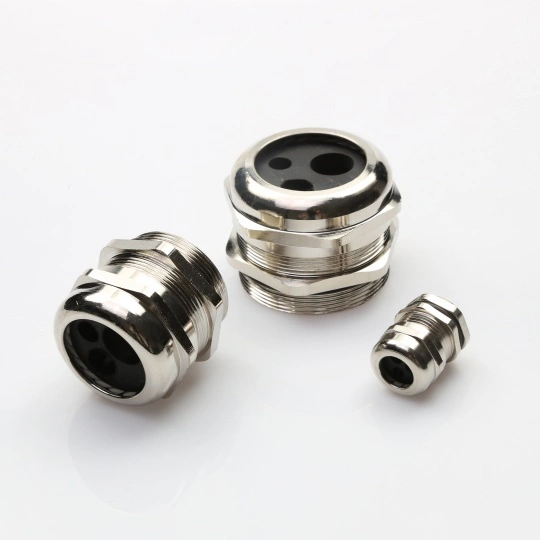
Corrosion-Resistant Cable Connectors: Reliable Connectivity for Harsh Environments Ensure uninterrupted performance in the toughest conditions with our corrosion-resistant cable connectors. Designed for durability and longevity, these.
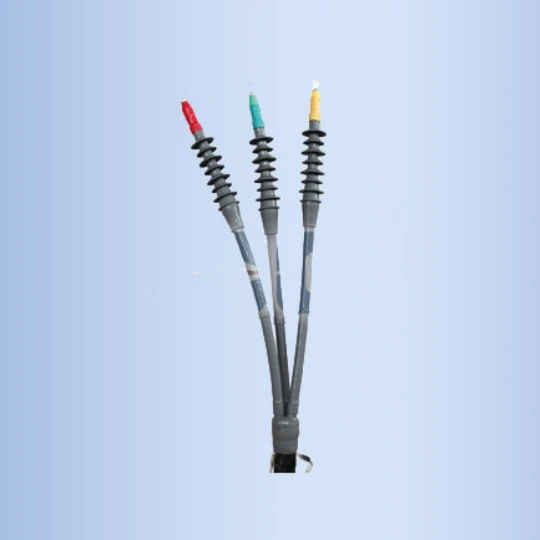
When it comes to electrical systems operating under extreme mechanical and electrical stress, high-load cable terminations are critical components that ensure seamless power transmission, safety, and system longevity. Engineered to .
Feel free to reach out to us for any inquiries or orders.