Industrial Cable Assemblies-Industrial Cable Assemblies factory
In the intricate ecosystem of industrial automation, manufacturing, and heavy-duty machinery, the seamless transmission of power, signals, and data is the backbone of operational efficiency. Among the critical components that enable this connectivity, multi-core industrial cable assemblies stand out as indispensable solutions. As industrial environments grow more complex—with demands for higher automation, real-time data processing, and space optimization—understanding what multi-core industrial cable assemblies are and their unique advantages becomes essential for engineers, plant managers, and procurement professionals. This article delves into the core definition of these cable assemblies, unpacks their key benefits in industrial settings, and explores why they have become the preferred choice for modern industrial applications.
At their core, multi-core industrial cable assemblies are integrated wiring solutions consisting of multiple insulated conductors (cores) bundled together within a single protective sheath, along with additional components such as shielding, fillers, and connectors tailored for industrial use. Unlike single-core cables, which contain only one conductor and are primarily used for high-power transmission, multi-core variants are designed to carry multiple signals or power streams simultaneously in a compact form factor.
The structure of a multi-core industrial cable assembly is engineered to withstand the harsh conditions of industrial environments. Each core is insulated with materials like PVC, polyethylene (PE), or fluoropolymers (e.g., PTFE) to prevent signal interference or short circuits. Depending on the application, the cable may include a metallic shield (braided, foil, or combination) to protect against electromagnetic interference (EMI) and radio frequency interference (RFI)—common issues in factories with heavy machinery, motors, and other electronic equipment. The outer sheath, often made of durable materials like polyurethane (PU) or rubber, provides resistance to abrasion, oil, chemicals, extreme temperatures, and mechanical stress.
These cable assemblies are available in a wide range of configurations, with the number of cores varying from a few (e.g., 2-4 cores) to hundreds, depending on the specific requirements of the application. The conductors themselves can also vary in gauge (thickness) to accommodate different current-carrying capacities and signal types, from low-voltage control signals to high-power electrical transmission. Additionally, multi-core industrial cable assemblies are often pre-terminated with industry-standard connectors (such as M12, M8, D-Sub, or circular connectors) to ensure quick and reliable installation, reducing downtime and installation errors.
The adoption of multi-core industrial cable assemblies in industrial settings is driven by their ability to address key challenges faced by modern manufacturing and automation systems. Below are their most significant advantages, each tailored to meet the rigorous demands of industrial operations.
One of the most prominent benefits of multi-core industrial cable assemblies is their ability to save space and simplify wiring systems. In industrial environments—such as factory floors, control panels, and robotic workcells—space is often at a premium. Running multiple single-core cables to transmit different signals or power streams would result in a cluttered, unwieldy wiring harness that is difficult to manage and maintain. Multi-core cables eliminate this issue by consolidating multiple conductors into a single, compact sheath.
This consolidation not only reduces the physical footprint of the wiring system but also streamlines installation. Instead of routing and securing dozens of individual cables, technicians can install a single multi-core assembly, significantly reducing installation time and labor costs. Pre-terminated multi-core assemblies further enhance this efficiency by eliminating the need for on-site termination, which requires specialized tools and expertise. This simplified installation also minimizes the risk of wiring errors, such as incorrect connections or short circuits, which can lead to equipment failure or operational downtime.
Industrial environments are rife with sources of electromagnetic interference (EMI) and radio frequency interference (RFI), including motors, variable frequency drives (VFDs), welding equipment, and wireless communication devices. These interferences can disrupt signal transmission, leading to data errors, equipment malfunctions, and reduced operational efficiency. Multi-core industrial cable assemblies are specifically designed to mitigate these issues through integrated shielding and optimized conductor insulation.
The metallic shielding surrounding the bundled cores acts as a barrier, blocking external EMI/RFI from penetrating the conductors and preventing internal signals from radiating outward and interfering with other equipment. Different shielding configurations—such as braided shielding (for flexibility and high coverage) or foil shielding (for cost-effectiveness and uniform coverage)—can be selected based on the level of interference in the environment. Additionally, the insulation between individual cores prevents crosstalk (signal interference between adjacent conductors), ensuring that each signal or power stream is transmitted accurately and reliably.
This enhanced signal integrity is critical for applications that rely on precise data transmission, such as industrial automation systems, sensor networks, and CNC machinery. For example, in a robotic assembly line, accurate transmission of position and velocity signals from sensors to the control system is essential for ensuring the robot’s movements are precise. Multi-core cables with proper shielding ensure that these signals are not corrupted by interference, leading to improved system performance and product quality.
Industrial operations expose cables to a wide range of harsh conditions, including extreme temperatures (from freezing cold in outdoor applications to high heat near furnaces or motors), moisture, dust, oil, chemicals, mechanical abrasion, and physical impact. Multi-core industrial cable assemblies are built to withstand these challenges, ensuring long-term reliability and reducing maintenance costs.
The outer sheath of multi-core industrial cables is typically made of robust materials like polyurethane (PU) or neoprene, which offer excellent resistance to abrasion, oil, and chemicals. These materials also provide flexibility, allowing the cable to bend and move without cracking—critical for applications involving moving parts, such as robotic arms or conveyor systems. Additionally, many multi-core cables are rated for extreme temperature ranges (e.g., -40°C to 125°C), making them suitable for use in both indoor and outdoor industrial environments.
Some multi-core assemblies also include additional protective features, such as armor (steel or aluminum) for extra mechanical strength or water-resistant jacketing for use in wet or humid conditions. These features ensure that the cable remains functional even in the most demanding environments, reducing the risk of cable failure and unplanned downtime.
While the initial cost of multi-core industrial cable assemblies may be higher than that of individual single-core cables, their lifecycle cost is significantly lower. This cost efficiency stems from several factors, including reduced installation labor, lower maintenance costs, and fewer replacements due to durability.
As mentioned earlier, the simplified installation of multi-core assemblies reduces labor time and costs. Pre-terminated cables eliminate the need for on-site termination, which can be time-consuming and requires skilled technicians. Additionally, the consolidated design of multi-core cables reduces the number of components needed (e.g., cable ties, conduit, and connectors), further lowering material costs.
The durability of multi-core industrial cables also contributes to cost savings. Their resistance to harsh conditions means they require fewer replacements over time compared to standard cables, which may fail prematurely due to abrasion, interference, or environmental damage. Reduced downtime from cable failures also translates to significant cost savings, as unplanned downtime in industrial settings can cost thousands of dollars per hour.
Furthermore, the flexibility and versatility of multi-core assemblies allow them to be used in a wide range of applications, reducing the need for multiple cable types and simplifying inventory management. This standardization can lower procurement costs and reduce the risk of inventory shortages.
Multi-core industrial cable assemblies are highly versatile and can be customized to meet the specific requirements of diverse industrial applications. Whether it’s transmitting power, analog signals, digital data, or a combination of these, multi-core cables can be configured with the appropriate number of cores, conductor gauges, insulation materials, and shielding to suit the application.
Some common applications of multi-core industrial cable assemblies include:
This versatility makes multi-core industrial cable assemblies a one-stop solution for many industrial connectivity needs, eliminating the need to source and install different cable types for different applications.
As industrial systems become more automated, connected, and data-driven, the demand for reliable, efficient, and space-saving connectivity solutions continues to grow. Multi-core industrial cable assemblies address these demands by offering space optimization, enhanced signal integrity, durability, cost efficiency, and versatility—all critical factors for maintaining operational excellence in modern industrial environments.
In an era where downtime is costly and precision is paramount, these cable assemblies provide the reliability needed to keep industrial systems running smoothly. Their ability to withstand harsh conditions and transmit multiple signals simultaneously makes them an essential component in industries ranging from manufacturing and automation to energy and transportation.
Multi-core industrial cable assemblies are more than just wiring solutions—they are enablers of modern industrial efficiency and reliability. By consolidating multiple conductors into a single, durable package, they simplify installation, save space, reduce interference, and lower lifecycle costs. Their versatility and adaptability make them suitable for a wide range of industrial applications, from automated production lines to renewable energy systems.
For engineers, plant managers, and procurement professionals looking to optimize their industrial connectivity systems, understanding the core advantages of multi-core industrial cable assemblies is key. By choosing these solutions, they can enhance system performance, reduce downtime, and achieve long-term cost savings—critical goals in today’s competitive industrial landscape.
Our factory offers high-quality products at competitive prices
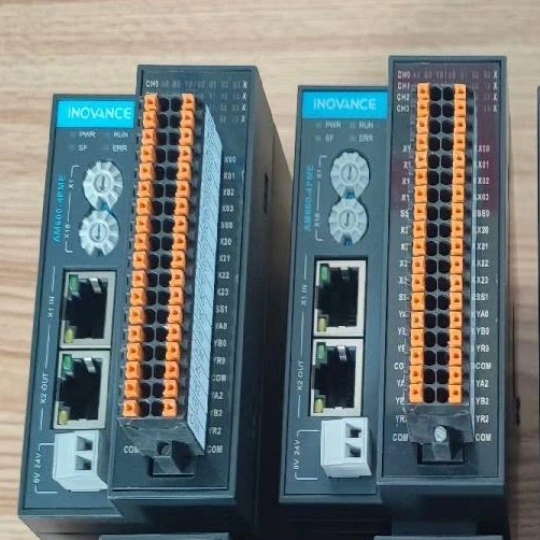
Meta Description: Discover high-performance industrial control cable module components designed for seamless automation, harsh environments, and superior connectivity. Explore specs, certifications, and applications. H2: Industrial Con.
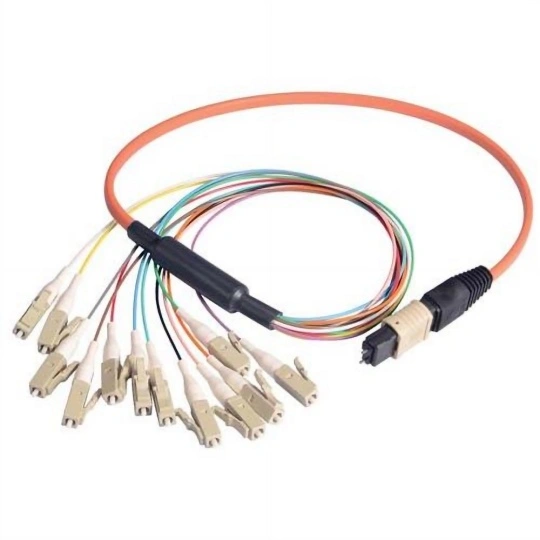
Heavy machinery cable assemblies are robust, high-performance connectivity solutions engineered to meet the demanding requirements of industrial and heavy-duty applications. Designed for durability, reliability, and optimal performance in.
Feel free to reach out to us for any inquiries or orders.