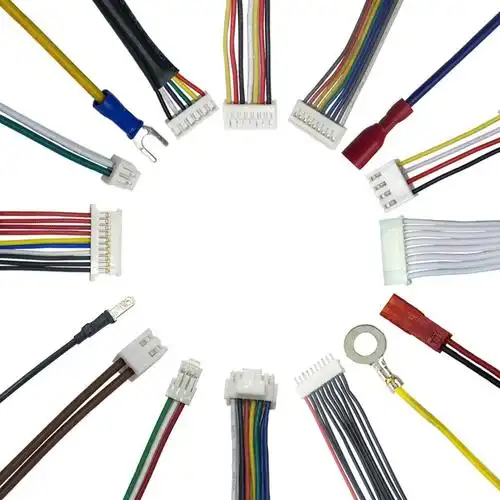
Industrial cable assemblies are critical components in machinery, automation systems, energy infrastructure, and other heavy-duty applications. Choosing the right cable assembly ensures reliability, safety, and longevity in demanding environments. Below are essential factors to evaluate before making a purchase.
1. Application Requirements
Identify the specific use case for the cable assembly. Consider:
- Environment: Will the assembly operate in extreme temperatures, moisture, chemicals, or UV exposure?
- Mechanical Stress: Will the cables face vibration, abrasion, or frequent bending?
- Industry Standards: Does the application require compliance with standards like UL, IEC, or MIL-SPEC?
2. Electrical Performance
Match the assembly’s electrical specifications to your system’s needs:
- Voltage and Current Ratings: Ensure the assembly can handle the required power load.
- Signal Integrity: For data or communication cables, check shielding (e.g., braided, foil) to prevent EMI/RFI interference.
- Conductor Material: Copper is standard, but alloys or silver-plated options may be needed for high-frequency applications.
3. Durability and Material Quality
Industrial environments demand robust materials. Key considerations include:
- Jacket Material: Options like PVC, PUR, or TPE offer varying resistance to heat, oil, and chemicals.
- Connector Quality: Look for corrosion-resistant materials (e.g., stainless steel, nickel-plated brass).
- Ingress Protection (IP Rating): Ensure connectors and seals protect against dust, water, and contaminants.
4. Customization Options
Off-the-shelf solutions may not meet unique needs. Verify if the supplier offers:
- Custom Lengths and Configurations: Tailored designs for complex routing or space constraints.
- Specialized Connectors: Compatibility with existing equipment or proprietary interfaces.
- Labeling and Marking: Clear identifiers for maintenance and troubleshooting.
5. Certifications and Compliance
Regulatory compliance reduces risks and ensures safety:
- Safety Certifications: UL, CE, or RoHS certifications validate adherence to safety and environmental standards.
- Industry-Specific Requirements: For example, ATEX certification for explosive environments or CSA for Canadian markets.
6. Supplier Expertise and Support
Partner with a manufacturer or distributor that provides:
- Technical Documentation: Detailed specs, CAD models, and test reports.
- Testing and Validation: Proof of performance under real-world conditions (e.g., bend testing, thermal cycling).
- Lead Times and Scalability: Ability to meet urgent demands or bulk orders without compromising quality.
7. Total Cost of Ownership (TCO)
Beyond the initial price, evaluate long-term costs:
- Maintenance Needs: High-quality assemblies reduce downtime and replacement frequency.
- Warranty and Lifespan: Longer warranties often indicate confidence in product durability.
- Energy Efficiency: Low-resistance cables can lower operational costs in high-power systems.