Industrial Cable Assemblies-Industrial Cable Assemblies factory
In our daily life and industrial production, cables are essential for transmitting electricity, signals, or data. But not all cables are the same. Two common types are industrial cables and regular cables, each designed for specific purposes. Let’s break down what an industrial cable is and how it differs from regular cables, helping you choose the right one for your needs.
An industrial cable is a heavy-duty cable specifically engineered to handle the harsh conditions of industrial environments. These environments often involve extreme temperatures, moisture, chemicals, physical stress (like bending or crushing), and high electrical loads. Industrial cables are built to be tough, reliable, and long-lasting, ensuring uninterrupted operation in factories, power plants, construction sites, and other industrial settings. They are designed to meet strict industry standards for safety and performance.
Regular cables, also known as general-purpose cables, are lightweight and designed for everyday, low-stress applications. They are used in residential, commercial, or light-duty settings where conditions are mild and stable. Examples include the cables that power your home appliances, charge your phone, or connect devices like TVs and computers. Regular cables prioritize flexibility and affordability for basic use rather than extreme durability.
Industrial cables are made with robust materials, such as thick insulation, reinforced conductors, and resistant outer layers. This makes them able to withstand frequent movement, heavy machinery vibrations, and physical impacts. Regular cables, on the other hand, have thinner insulation and weaker structures, as they don’t need to handle such stress. They can easily get damaged if bent too much or exposed to rough handling.
Industrial cables are built to resist harsh environments. They can tolerate extreme temperatures (both high and low), exposure to water, oil, chemicals, dust, and UV rays. This is crucial for industries like manufacturing, mining, or outdoor energy projects. Regular cables lack these protections. They work best in dry, room-temperature environments and can fail quickly if exposed to moisture, heat, or chemicals.
Industrial settings often require cables to carry high voltages, large electrical currents, or complex data signals over long distances without losing efficiency. Industrial cables are designed to maintain stable performance even under these high loads. Regular cables, however, are rated for lower voltages and currents. Using a regular cable in a high-load industrial setting can cause overheating, power loss, or even electrical fires.
Industrial cables are used in heavy industries: factories with machinery, power generation plants, oil refineries, construction equipment, and transportation systems (like trains or ships). Regular cables are for daily use: home wiring, office electronics, small appliances, and consumer devices.
To avoid problems like equipment failure, safety risks, or frequent replacements, consider your environment and needs:
Industrial cables and regular cables serve different purposes, with the former built for durability, harsh environments, and high performance, and the latter for everyday, low-stress use. Understanding their differences helps you make the right choice, ensuring safety, reliability, and cost-effectiveness in your applications. Always match the cable to your specific environment and needs!
Our factory offers high-quality products at competitive prices
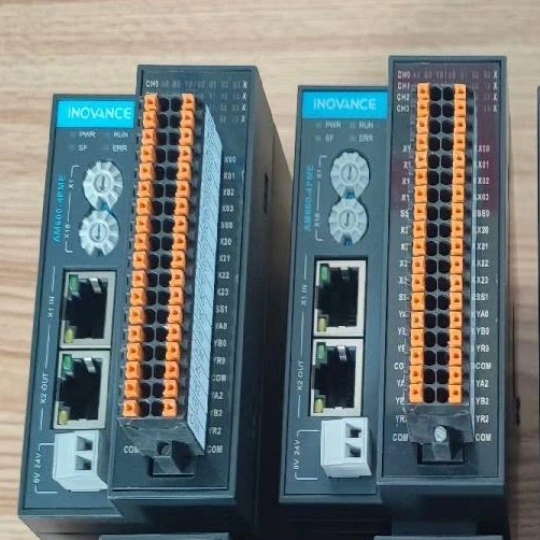
Meta Description: Discover high-performance industrial control cable module components designed for seamless automation, harsh environments, and superior connectivity. Explore specs, certifications, and applications. H2: Industrial Con.
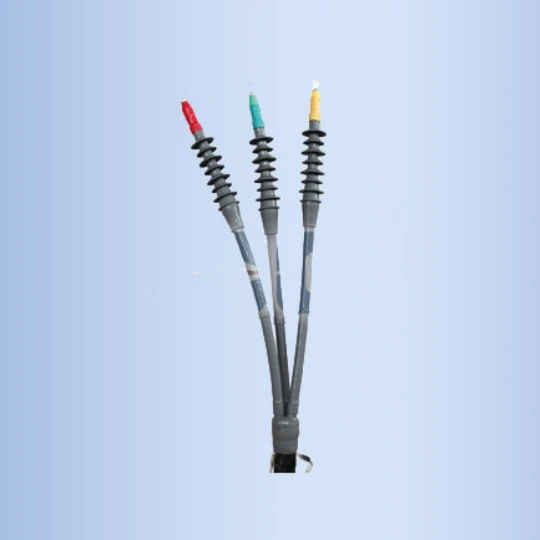
When it comes to electrical systems operating under extreme mechanical and electrical stress, high-load cable terminations are critical components that ensure seamless power transmission, safety, and system longevity. Engineered to .
Feel free to reach out to us for any inquiries or orders.