
Industrial Cable Assemblies-Industrial Cable Assemblies factory
Chemical plants operate in an environment where danger lurks in every corner—flammable solvents, pressurized gas lines, and reactive chemicals create a tinderbox scenario. Among the many safety-critical components, flame-retardant (FR) industrial wires are often overlooked but play a pivotal role in preventing catastrophic incidents. Unlike standard wires, FR wires are designed to withstand extreme conditions unique to chemical facilities, making them an indispensable safeguard for personnel, equipment, and the environment.
Chemical plants are classified into hazardous zones (e.g., ATEX zones in Europe, NFPA zones in the U.S.) where flammable vapors or dust clouds can form at any time. Electrical systems, including wires, are a top ignition source here. Standard wires, when damaged or overloaded, can produce sparks or reach temperatures exceeding 500°C—hot enough to ignite methane, propane, or solvent vapors common in chemical processes.
FR industrial wires solve this by using insulation materials like flame-retardant XLPE or halogen-free compounds that resist sparking and self-extinguish. For instance, when exposed to a short circuit, FR wires don’t sustain combustion; instead, their insulation chars and stops the spread of flames. This eliminates the wire itself as a potential ignition point, a critical feature in zones where even a tiny spark could trigger an explosion.
A small fire in one part of a chemical plant can quickly escalate into a disaster if it reaches storage tanks or reaction vessels. Conventional wires act as “fire pathways,” allowing flames to race along cable trays to other areas. This chain reaction can disable emergency systems, cut power to shutdown controls, and expose workers to life-threatening conditions.
FR wires are engineered to contain fires. Their sheathing forms a heat-resistant barrier that slows or stops flame propagation. In testing, FR wires typically limit fire spread to less than 1 meter in 30 minutes, compared to standard wires that can burn unchecked. This containment gives responders time to isolate the fire, activate sprinklers, and evacuate personnel—preventing a localized incident from becoming a plant-wide catastrophe.
Fires in chemical plants aren’t just dangerous for their flames—toxic smoke is often the deadliest threat. Standard PVC wires release chlorine gas and dioxins when burned, which can cause respiratory failure or permanent lung damage in seconds. In enclosed spaces like control rooms or underground cable ducts, these fumes accumulate rapidly, trapping workers before they can escape.
Modern FR wires, especially low-smoke zero-halogen (LSZH) variants, minimize toxic emissions. They produce 80% less smoke than standard wires and eliminate halogen-based toxins. This not only protects workers during a fire but also reduces cleanup time and equipment damage—corrosive smoke from non-FR wires can ruin sensitive instruments, leading to costly downtime.
Chemical plants subject wires to constant exposure to corrosive agents: acids, alkalis, solvents, and humid air. Standard wires degrade quickly under these conditions—their insulation cracks, exposing conductors and increasing short-circuit risks. A single failed wire in a critical process line can shut down production for days or weeks.
FR industrial wires are built with chemical-resistant materials like EPDM or PFA. These materials repel corrosive substances, maintaining insulation integrity even in harsh environments. For example, FR wires used in petrochemical plants can withstand exposure to benzene and toluene for years without degradation. This durability reduces maintenance costs and ensures uninterrupted operation of critical systems like pumps, valves, and monitoring equipment.
Chemical safety regulations (such as OSHA’s Process Safety Management in the U.S. or REACH in the EU) mandate the use of FR wires in hazardous areas. Non-compliant wires can result in fines, plant shutdowns, or legal liability in the event of an accident. FR wires undergo rigorous testing—including flame propagation, smoke density, and toxicity tests—to meet standards like IEC 60332-3 and UL 94 V-0.
Using certified FR wires isn’t just about compliance; it’s about demonstrating a commitment to safety. Plant operators who invest in FR wires reduce insurance premiums and build trust with regulators, employees, and the communities where they operate.
When safety is non-negotiable, FRS brand factory delivers flame-retardant industrial wires engineered specifically for chemical plants. With over 15 years of experience, FRS combines advanced materials science with strict quality control to produce wires that exceed global safety standards. Our product line includes LSZH, chemical-resistant, and high-temperature FR wires—each tailored to the unique needs of your facility.
FRS doesn’t just sell wires; we provide peace of mind. Our team of engineers works with you to assess your hazard zones, recommend the right products, and ensure seamless integration. For chemical plant operators who refuse to compromise on safety, reliability, or compliance, FRS is the clear choice. Because in a chemical plant, a single wire can mean the difference between a safe shift and a disaster.
Our factory offers high-quality products at competitive prices
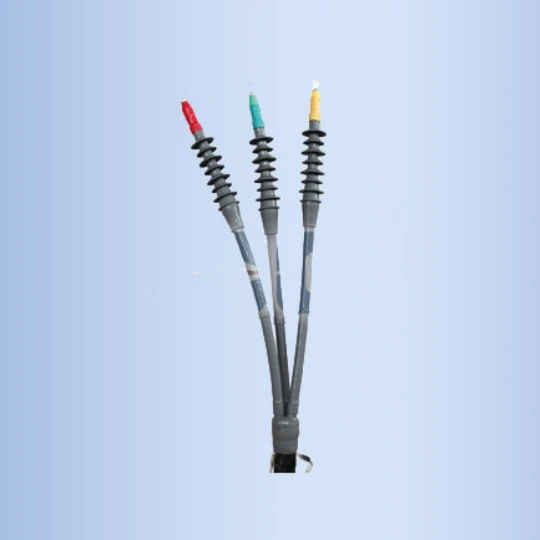
When it comes to electrical systems operating under extreme mechanical and electrical stress, high-load cable terminations are critical components that ensure seamless power transmission, safety, and system longevity. Engineered to .
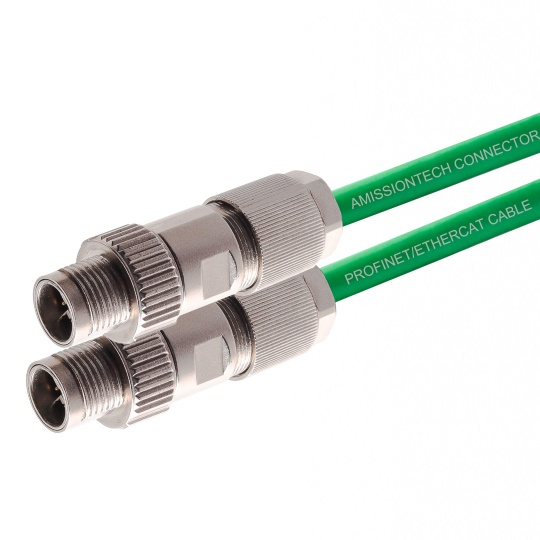
Industrial cable components are the backbone of reliable and efficient connectivity in industrial automation, robotics, and machinery. Engineered to withstand harsh environments while ensuring seamless data transmission and power delivery.
Feel free to reach out to us for any inquiries or orders.