Industrial Cable Assemblies factory

Industrial Cable Assemblies factory

Industrial Cable Assemblies-Industrial Cable Assemblies factory

INFO

Meta Description: Discover actionable steps to verify your cable assemblies meet critical industry standards for durability, safety, and performance. Learn about testing methods, material selection, and compliance best practices.


Cable assemblies are critical components in industries ranging from aerospace to telecommunications. Ensuring their physical properties comply with industry standards is essential for reliability, safety, and avoiding costly failures. This guide outlines proven strategies to guarantee your cable assemblies meet or exceed regulatory and performance benchmarks.
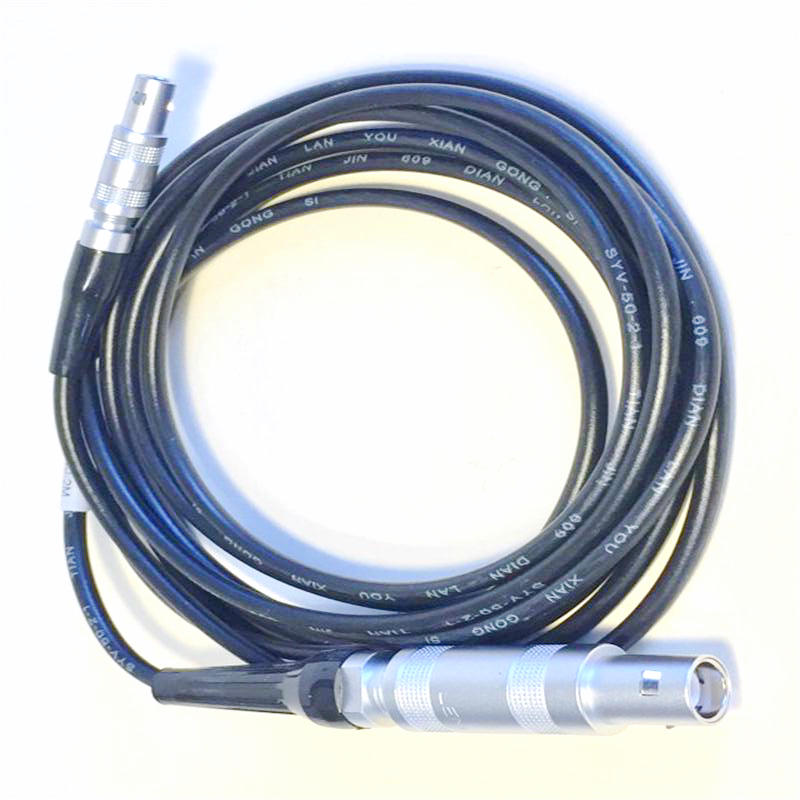
Cables

1. Understand Relevant Industry Standards

Start by identifying the standards that apply to your application. Common certifications include:

  • UL (Underwriters Laboratories): Safety standards for electrical components.
  • IEC (International Electrotechnical Commission): Global benchmarks for electrical performance.
  • MIL-STD (Military Standards): Rigorous requirements for durability in defense applications.
  • ISO (International Organization for Standardization): Quality management and material guidelines.

Research industry-specific requirements (e.g., automotive ISO 6722, medical IEC 60601) to align your design and testing processes.


2. Prioritize Material Selection

Cable assembly performance hinges on material choices. Key considerations:

  • Conductors: Use high-purity copper or aluminum for optimal conductivity.
  • Insulation: Select materials (e.g., PVC, Teflon) rated for temperature, abrasion, and chemical resistance.
  • Shielding: Opt for braided or foil shielding to prevent EMI/RFI interference.
  • Jacketing: Choose materials (e.g., polyurethane, thermoplastic) that withstand environmental stressors like UV exposure or moisture.

Pro Tip: Partner with suppliers who provide material certifications (e.g., RoHS, REACH) to ensure compliance.


3. Implement Rigorous Testing Protocols

Physical testing validates whether assemblies meet standards. Essential tests include:

  • Tensile Strength Testing: Measure resistance to pulling forces (per ASTM D4565).
  • Flex Life Testing: Simulate repeated bending to assess durability (e.g., UL 1581).
  • Environmental Testing: Expose assemblies to extreme temperatures, humidity, or chemicals (per IEC 60068).
  • Flame Resistance Testing: Verify compliance with fire safety standards like UL 1685.

Invest in accredited third-party testing labs for unbiased validation.


4. Optimize Design for Compliance

Design choices directly impact compliance:

  • Bend Radius: Avoid exceeding minimum bend radii to prevent conductor damage.
  • Strain Relief: Incorporate boots or connectors to reduce stress on termination points.
  • Color Coding: Follow industry color standards (e.g., ANSI/TIA-606) for easy identification.
  • Labeling: Include permanent markings with ratings, certifications, and manufacturer details.

Use CAD software to model designs and identify potential weaknesses early.


5. Maintain Quality Control (QC) Documentation

Thorough documentation ensures traceability and accountability:

  • Certificates of Conformance (CoC): Verify materials and processes meet specifications.
  • Test Reports: Document results from mechanical, electrical, and environmental tests.
  • Process Control Records: Track production steps like crimping, soldering, and molding.

Best Practice: Adopt ISO 9001-certified quality management systems to streamline compliance.


6. Partner with Certified Manufacturers

Work with manufacturers that demonstrate adherence to standards through:

  • ISO 13485 (Medical) or IATF 16949 (Automotive): Industry-specific certifications.
  • UL Certification Mark: Indicates compliance with safety standards.
  • Audit Reports: Request evidence of regular facility and process audits.

7. Stay Updated on Evolving Standards

Industry standards evolve with technology. Mitigate risks by:

Collaborating with industry groups to anticipate regulatory changes.

Subscribing to updates from organizations like ANSI, IEC, or IEEE.

Attending trade shows or webinars focused on cable assembly innovations.

FAQ

NEWS

More Products

Our factory offers high-quality products at competitive prices
Heavy machinery cable assemblies

Heavy machinery cable assemblies

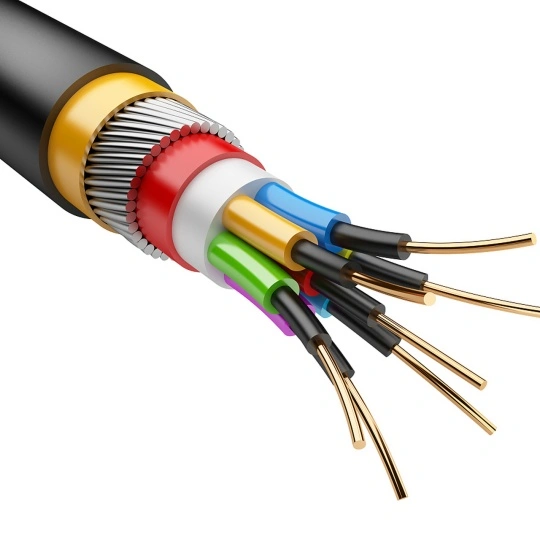
Heavy machinery cable assemblies are robust, high-performance connectivity solutions engineered to meet the demanding requirements of industrial and heavy-duty applications. Designed for durability, reliability, and optimal performance in.

High-temperature resistant cable accessories

High-temperature resistant cable accessories

Ensure reliable power transmission and long-lasting performance in the harshest conditions with our ​High-Temperature Resistant Cable Accessories. Engineered to withstand extreme heat, these premium-grade accessories are designed to prote.

Contact Us

Feel free to reach out to us for any inquiries or orders.

Call Us

Have a question? Give us a call!

+861881875005

Email Us

Send us an email and we'll get back to you soon.

sales@custom-cable-assemblies.com
       
Home Products Contact