Offshore oil rigs present one of the most punishing environments for electrical systems. Constant exposure to salt spray, humidity, temperature swings, and chemical fumes relentlessly attacks industrial cable assemblies. Corrosion in these cables isn’t just an inconvenience – it leads to signal loss, power failures, costly downtime, and serious safety hazards. Fortunately, proactive prevention strategies can significantly extend cable life and ensure reliable operation. Here’s how to combat corrosion effectively:
1. Prioritize Corrosion-Resistant Materials:
Connectors & Housings: Use connectors made from high-grade, non-ferrous metals:
Stainless Steel (316L/316): The gold standard for harsh environments. Highly resistant to saltwater and chemicals. Opt for passivated finishes.
Nickel-Plated Brass/Aluminum: Good balance of corrosion resistance and cost-effectiveness for less severe exposures. Ensure plating is high-quality and durable.
Thermoplastics/Composite Housings: Excellent choices for non-metallic options, impervious to salt corrosion (e.g., polycarbonate, glass-reinforced nylon).
Contacts & Pins: Specify gold-plated contacts for critical signal/power lines. Gold provides superior corrosion resistance and maintains stable conductivity. For high-current applications, silver-plated contacts (possibly with supplementary protective grease) are common.
Cable Jackets: Select jackets specifically engineered for marine/offshore use:
Chlorinated Polyethylene (CPE), Chlorosulfonated Polyethylene (CSPE / Hypalon®), Ethylene Propylene Rubber (EPR): These offer excellent resistance to saltwater, ozone, UV degradation, and oils.
IP Ratings Matter: Ensure connectors and cable glands meet at least IP66/IP67 (dust-tight and protected against powerful water jets/temporary immersion). For submerged or high-pressure washdown areas, IP68/IP69K is essential.
Backshell Sealing: Use connectors with integrated environmental seals (O-rings/gaskets) between mating halves and at the cable entry point (backshell).
Potting & Overmolding: For critical assemblies or exposed terminations, consider encapsulating connections within a connector backshell using waterproof epoxy or urethane potting compounds. Overmolding creates a seamless, water-tight barrier.
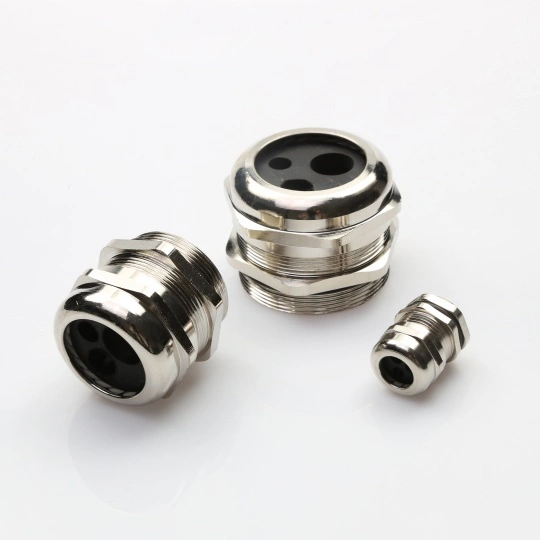
Proper Glanding: Use double-compression cable glands designed for marine environments (stainless steel body & seal) at enclosure entry points. Ensure correct gland size and torque for the cable diameter.
Drip Loops: Form loops below connection points to prevent water from running directly into connectors/conduits.
3. Apply Protective Coatings & Lubricants:
Anti-Corrosion Sprays/Gels: Apply specialized dielectric grease or corrosion-inhibiting sprays (like CRC Marine Corrosion Inhibitor) to metal surfaces of connectors, especially contact pins, threads, and housings. These displace moisture and create a protective barrier.
Conductive Grease: Use on mating connector interfaces (applied sparingly to contacts) to prevent oxidation and maintain conductivity. Ensure compatibility with the connector materials.
Heat Shrink Tubing: Use adhesive-lined, marine-grade heat shrink over splices or terminations to create a sealed, environmental barrier. Dual-wall tubing is highly effective.
Avoid Galvanic Corrosion: Never mix incompatible metals in close contact (e.g., steel hardware on aluminum housings). Use isolating washers or specify compatible metal pairings based on the galvanic series.
Prevent Mechanical Damage: Scratches, nicks, or crushing on metal surfaces or cable jackets drastically accelerate corrosion. Use proper lifting techniques, cable rollers, and protectors during installation. Avoid sharp bends.
Cleanliness: Ensure connectors, pins, and cable ends are clean, dry, and free of contaminants (salt residue, oil, grease – unless intentionally applied inhibitor) before mating. Use contact cleaners if needed.
Proper Termination: Ensure terminations are correct and secure to prevent moisture ingress through poor connections.
5. Commit to Proactive Maintenance & Inspection:
Regular Visual Checks: Schedule frequent inspections for signs of:
White/green powdery deposits (corrosion).
Frayed, cracked, or blistered cable jackets.
Damaged or deformed connector housings/seals.
Moisture inside connectors (check via drain holes if present).
Functional Testing: Periodically test insulation resistance and continuity to identify hidden degradation.
Prompt Cleaning & Re-treatment: If minor corrosion is found during inspection, gently clean affected metal surfaces (using approved methods for the material) and re-apply corrosion inhibitor grease/spray.
Replacement Protocol: Have a plan for replacing assemblies showing significant corrosion, compromised seals, or damaged jackets. Don’t wait for failure.
IntroductionCable accessories are critical components in electrical and communication systems, ensuring safe, efficient, and reliable transmission of power or data. Whether you’re an engineer, contractor, or DIY enthusiast, underst...
Key Considerations
Temperature Rating
Look for cables rated for at least 20°C above your maximum expected temperature
Common high-temp materials: PTFE (260°C), silicone (200°C), fiberglass (500°C)
Insulation Material
Silic...
The maximum bending angle of an industrial cable is not a fixed value; it is determined by multiple factors such as cable structure, material properties, application scenarios, and industry standards. Understanding these factors is cruc...
Faulty cable assemblies are the hidden gremlins of industrial operations. They bring production lines to a standstill, cause costly downtime, and create potentially hazardous situations. Effective troubleshooting is essential. This guid...
Installing industrial cable assemblies correctly is critical for ensuring safety, reliability, and long-term performance in demanding environments. Mistakes can lead to downtime, equipment damage, or safety hazards. Follow this step-by-...
1. Clarify the Application & Environment First
Before discussing wire gauge or connector types, define the operating context. Many industrial cable assembly failures stem from vague requirements. A clear project scope prevents r...
In the complex landscape of industrial operations, industrial cables serve as the vital nervous system, connecting machinery, transmitting power, and enabling data flow across production lines, manufacturing facilities, and critical inf...
High-frequency motors are widely used in modern industrial fields such as aerospace, automotive manufacturing, precision electronics, and medical equipment due to their high efficiency, fast response speed, and compact structure. Howeve...
In the realm of industrial automation, manufacturing, and harsh environment operations, the reliability of connectivity solutions can make or break operational efficiency. Downtime caused by cable assembly failures—whether due to dust i...
Rodent damage to industrial cables is a persistent and costly problem for manufacturing plants, power facilities, and logistics hubs. Mice, rats, and squirrels have incisors that grow continuously—they gnaw on cable insulation and condu...
Customizing industrial cable assemblies is essential for meeting specific application demands, but balancing performance requirements with budget constraints remains a critical challenge. Achieving this balance requires careful consider...
In the era of intelligent manufacturing, industrial robots have become the backbone of automated production lines, undertaking tasks such as material handling, welding, assembly, and spraying with high efficiency and precision. Behind t...
Outdoor lighting systems play a critical role in enhancing safety, visibility, and aesthetics across various settings—from industrial campuses and manufacturing facilities to parking lots, highways, and public parks. However, the perfor...
In industrial settings—from manufacturing plants and power distribution networks to renewable energy facilities and heavy machinery operations—industrial cables are the lifelines of electrical systems. They transmit power and signals th...
In the intricate network of industrial operations, industrial cables stand as the unsung heroes, facilitating the seamless transmission of power, data, and signals across machinery, equipment, and entire production facilities. These cab...
In industrial settings where high humidity, water exposure, or corrosive conditions are prevalent, selecting the right cable is critical to ensure reliable performance and longevity. Moisture can degrade insulation, corrode conductors, ...
Industrial cables are the “nerve endings” and “blood vessels” of modern industrial systems, powering everything from automated manufacturing lines and mining equipment to logistics conveyor belts and renewable en...
In the rapidly evolving field of robotics, industrial control cables serve as the “nervous system” that ensures seamless communication, precise signal transmission, and reliable power supply between robotic components. As ro...
In the complex and demanding landscape of industrial operations, the choice of cabling systems directly impacts safety, efficiency, and long-term operational costs. Low-voltage industrial cables, typically designed for voltages below 1k...
1. Cosmic Radiation: A Silent Threat
Space is filled with high-energy particles from solar flares and galactic cosmic rays. Standard cables degrade under prolonged exposure, leading to:
Signal interference – Disrupted data transm...
Discover expert strategies for deploying and maintaining cable assemblies in industrial robot production lines. Enhance reliability, reduce downtime, and optimize performance with proven techniques.IntroductionIn industrial robot prod...
In the automotive and industrial sectors, cable assemblies are the lifelines of electrical systems, transmitting power and signals critical to vehicle and machinery operation. However, harsh environments—extreme temperatures, vibrations...
1.Core Design SpecificationsA. Conductor RequirementsMaterial:Copper (bare, tinned, or silver-plated) for high conductivity.Aluminum for lightweight, high-voltage power transmission.Fiber optic strands for data-centric applications...
Industrial cable assemblies are critical components in sectors like manufacturing, aerospace, energy, and automation. Selecting the right materials for these assemblies ensures reliability, safety, and longevity in harsh environments. H...
Why Subsea Cables Matter for Data Centers
Over 95% of international data travels through subsea cables – hair-thin fiber optics spanning ocean floors. These cables directly power cloud services by connecting geographically dispersed ...
In today’s fast-paced manufacturing world, precision is non-negotiable—especially in industries like aerospace, automotive, and electronics, where a single faulty cable can lead to system failures or safety risks. Traditional cable asse...
Meta Description: Discover how biodegradable cables are revolutionizing industries with eco-friendly solutions. Learn about their benefits, applications, and future potential for reducing e-waste.
IntroductionAs global deman...
Industry 5.0: The Demand for Smarter ConnectivityIndustry 5.0 prioritizes human-centric automation, requiring cable assemblies to:
Enable Real-Time AI Interaction: Support <1ms latency for AI decision-making.Withstand Dyna...
The Internet of Things (IoT) is no longer a futuristic concept—it’s reshaping industries, homes, and cities. From smart thermostats to industrial sensors, billions of IoT devices are now online. But as the IoT ecosystem grows, so does t...
Introduction: Why Robots Break Cables First
In high-speed industrial robotics, the weakest link is often not the motor or gearbox, but the cable system. Robotic arms operating 24/7 in pick-and-place, welding, and assembly lines are ...
In today’s industrial and automotive environments, reliable interconnections are not optional—they are mission-critical. This is where industrial cable assemblies manufacturecomes in. These assemblies, built from cables, wires, connecto...
In demanding industrial environments, reliable interconnections are not optional—they are the backbone of your system’s performance and safety. Industrial Cable Assembliesencompass a wide range of engineered cable and wire harness solut...
In modern industrial environments, cables are constantly exposed to lubricants, cutting fluids, fuels, and cleaning agents. Oil resistant industrial cable assembliesare no longer optional in these settings; they are critical for ensurin...
The integration of wireless charging technology into industrial cables is transforming how industries manage power delivery in demanding settings. From manufacturing plants to logistics warehouses, this innovation addresses long-s...
If you’re sourcing, manufacturing, or using cable assemblies in China, understanding the country’s regulatory and quality standards is crucial. This guide breaks down the key requirements for domestic cable assemblies in China, helping...
FRS specializes in providing industrial-grade Ethernet cable assemblies for PLCs, robots, HMIs, and Industry 4.0 equipment. Our robust components merge standard Ethernet principles with durable connectors, making them ideal for automate...
In today’s fast-paced industrial environments—from automotive assembly lines and warehouse logistics to pharmaceutical packaging—barcode scanners are indispensable tools for tracking assets, streamlining workflows, and ensuring data acc...
Industrial cable connectors are essential components in various industrial systems, enabling the reliable transmission of power, signals, and data. There are several common types, each designed to meet specific application requirements....
The Invisible Crisis
While most consumers worry about plastic bottles and food packaging, discarded cables quietly become one of fastest-growing waste streams. A 2025 Global E-Waste Monitor report reveals that cable waste increased b...
Meta Description: Discover high-performance industrial control cable module components designed for seamless automation, harsh environments, and superior connectivity. Explore specs, certifications, and applications.
H2: Industrial Con.
Corrosion-Resistant Cable Connectors: Reliable Connectivity for Harsh Environments
Ensure uninterrupted performance in the toughest conditions with our corrosion-resistant cable connectors. Designed for durability and longevity, these.
Contact Us
Feel free to reach out to us for any inquiries or orders.