
Industrial Cable Assemblies-Industrial Cable Assemblies factory
The automotive manufacturing industry relies heavily on precision, reliability, and safety. At the heart of these requirements are cable assemblies, which serve as the nervous system of vehicles, connecting critical components like sensors, control units, infotainment systems, and power distribution networks. As vehicles become more electrified, automated, and connected, the demand for high-performance cable assemblies has surged. This article explores the key requirements for cable assemblies in automotive manufacturing lines, ensuring your production processes meet industry standards and deliver optimal results.
Automotive cable assemblies must withstand extreme conditions, including:
Solution: Use materials like cross-linked polyethylene (XLPE) or thermoplastic elastomers (TPE) for insulation. Shielded cables with robust jacketing (e.g., PVC or silicone) enhance longevity.
Regulatory compliance is non-negotiable. Key standards include:
Best Practice: Partner with suppliers certified to these standards and conduct regular audits to ensure adherence.
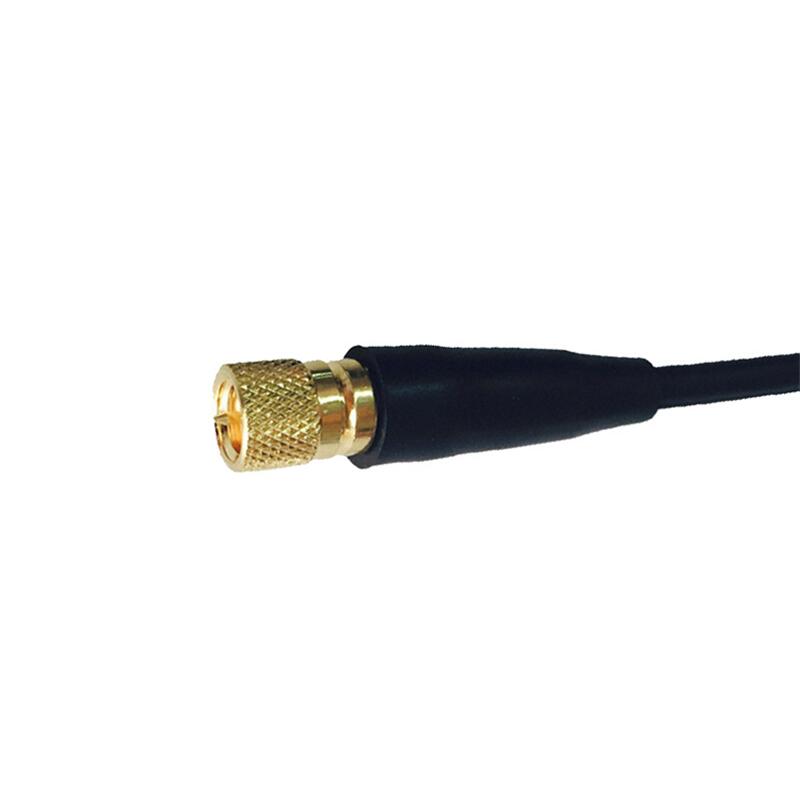
Modern vehicles depend on sensitive electronics vulnerable to electromagnetic interference (EMI) and radio-frequency interference (RFI). Poor shielding can lead to malfunctions in ADAS (Advanced Driver Assistance Systems) or infotainment systems.
Solution: Opt for cables with aluminum foil shielding, braided copper, or twisted-pair designs. Ensure proper grounding during installation.
Not all automotive cable assemblies are created equal. Requirements vary by application:
Tip: Work with manufacturers offering custom design services to tailor lengths, connectors, and materials to your needs.
With the rise of autonomous driving and connected cars, cables must support high-speed data transfer for:
Solution: Use shielded coaxial or twisted-pair cables with low signal loss and high bandwidth (e.g., CAT5e or CAT6A).
Automotive manufacturing lines increasingly rely on robotics and automated machinery. Cable assemblies must:
Material Choice: Polyurethane (PUR) jackets offer flexibility and abrasion resistance.
While cost reduction is a priority, cutting corners on cable quality risks recalls or safety issues.
Strategies:
Rigorous testing ensures reliability:
Certification: Look for UL, CSA, or TÜV markings for guaranteed performance.
Automotive manufacturers require full traceability for recalls and quality control.
Implementation:
As the industry shifts toward sustainability, eco-friendly cable assemblies are gaining traction.
Innovations:
Our factory offers high-quality products at competitive prices
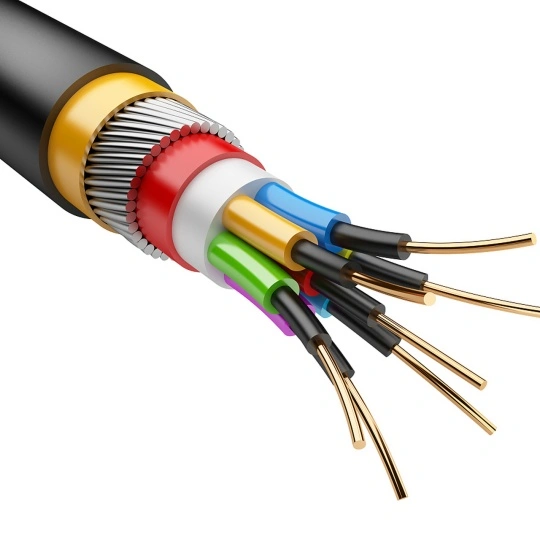
In today’s technology-driven world, maintaining uninterrupted signal integrity is critical for industrial, commercial, and residential applications. The Shielded Cable Core is engineered to deliver superior electromagnetic interference .
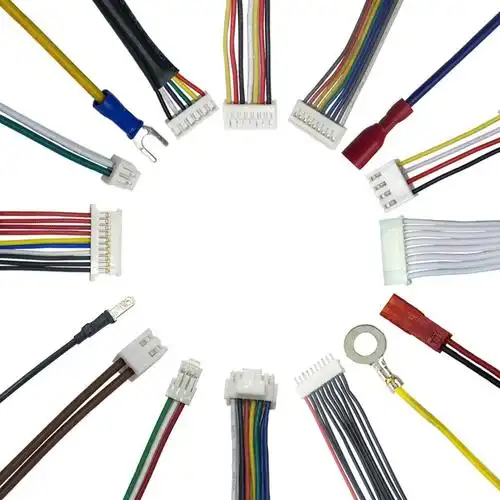
Industrial Cable Assembly Product Summary Material & Safety Utilizes premium raw materials and globally recognized components (e.g., ABB, TE Connectivity) ensuring high reliability and safety to prevent risks like fire and e.
Feel free to reach out to us for any inquiries or orders.