Industrial power cable assemblies are engineered to handle specific electrical loads. Exceeding their rated current capacity—known as overloading—can lead to severe consequences. Here’s a concise breakdown of the risks and actionable solutions.
Key Risks of Overloading
Fire Hazard:
Cables overheat when overloaded, melting insulation and igniting nearby materials. This poses catastrophic fire risks in facilities with flammable substances.
Equipment Damage:
Excessive heat degrades cable insulation and conductors, causing premature failure of motors, controllers, and connected machinery.
Electrical Faults:
Overloading increases resistance, leading to short circuits, arc flashes, or voltage drops that disrupt production and damage sensitive electronics.
Operational Downtime:
Burnt cables or tripped breakers halt operations, resulting in costly production delays and emergency repairs.
Safety Violations:
Non-compliance with standards like NEC, IEC, or OSHA can trigger fines, legal liability, and voided equipment warranties.
Practical Solutions to Prevent Overloading
Adhere to Ampacity Ratings:
Always use cables rated for at least 125% of the continuous load current. Verify ratings match the application (e.g., ambient temperature, installation method).
Install Protective Devices:
Use circuit breakers or fuses calibrated to trip below the cable’s current rating. Regularly test these devices to ensure functionality.
Monitor Loads Continuously:
Implement clamp meters or IoT-based sensors to track real-time current draw. Set alarms for loads exceeding 80% of the cable’s capacity.
Optimize Cable Layout:
Avoid bundling cables tightly or routing near heat sources. Use cable trays with adequate spacing to improve airflow and cooling.
Upgrade Proactively:
When expanding machinery or power demands, replace cables with higher-rated assemblies before increasing loads.
Conduct Thermal Imaging Scans:
Schedule quarterly infrared inspections to identify hotspots in cables or connections before failures occur.
Conclusion
Overloading industrial cables jeopardizes safety, equipment, and productivity. By rigorously following rated capacities, deploying protective systems, and monitoring loads, facilities prevent downtime and hazards while ensuring compliance. Prioritize proactive maintenance—replace cables at the first sign of wear, and never exceed manufacturer specifications.
Selecting the right industrial cable gauge is critical to avoiding equipment failure, safety hazards (such as overheating or short circuits), and inefficient energy transmission. Unlike residential cables, industrial applications involv...
Old industrial cables, which have served their purpose in factories, power plants, and various industrial facilities, often end up as waste. However, their disposal is not a matter to be taken lightly. Improper handling can lead to seve...
Industrial cable assemblies are the backbone of modern manufacturing, enabling seamless communication, power distribution, and data transfer across complex machinery and systems. In this article, we explore what industrial cable assembl...
In industrial settings—from power plants and chemical factories to metallurgical workshops and manufacturing facilities—cables serve as the “nervous system” that transmits electricity and data, ensuring the smooth operation ...
Why is Industrial Cable Certification Necessary for Exports?
In the globalized landscape of industrial trade, industrial cable certification serves as the cornerstone of market compliance, safety assurance, and competitive advantage....
In the complex landscape of industrial operations, where precision, uptime, and safety are paramount, reliable industrial cable assemblies serve as the unsung heroes. These assemblies are the critical link connecting machinery, sensors,...
Selecting the right industrial cable assembly supplier is a critical decision that impacts not only your supply chain’s reliability and product quality but also your corporate reputation. In today’s globally conscious market...
Meta Description: Discover actionable steps to verify your cable assemblies meet critical industry standards for durability, safety, and performance. Learn about testing methods, material selection, and compliance best practices.
...
Outdoor environments pose unique challenges for cable assemblies, from extreme weather conditions to mechanical stress and environmental contaminants. Whether for solar farms, industrial automation, telecommunications, or urban infrastr...
Industrial cable assemblies operate in demanding environments – think factory floors, offshore rigs, medical devices, or heavy machinery. Failure isn’t an option; it means downtime, repair costs, and potential safety hazards. Ensu...
Industrial cable assemblies on offshore oil platforms face extreme environmental challenges. Saltwater spray, high humidity, atmospheric pollutants, and temperature fluctuations create a highly corrosive environment. Specific material s...
Industrial cables are the lifelines of manufacturing plants, power grids, and heavy machinery. Their conductivity directly impacts energy efficiency, operational safety, and equipment performance. A cable with poor conductivity can lead...
In industrial applications, cable assemblies often encounter extreme temperature conditions. Testing their performance under such circumstances is crucial to ensure reliable operation. This article will guide you through the essential s...
In the era of Industry 4.0, industrial sensors have become the “nervous system” of automated production lines, monitoring critical parameters such as temperature, pressure, displacement, and flow in real time. However, the a...
Ensuring the traceability of industrial cable assemblies is not just a best practice; it’s a critical necessity. From manufacturing and assembly through installation, maintenance, and eventual decommissioning, clear and reliable l...
Industrial cable assemblies are critical components in manufacturing, automation, energy, and other heavy-duty sectors. They transmit power, signals, and data, ensuring seamless operations. However, harsh environments, mechanical stress...
While both industrial cables and utility cables serve the fundamental purpose of transmitting electrical power or signals, their design, performance, and application scenarios differ significantly. These distinctions arise from the uniq...
Underwater installations, spanning offshore oil and gas exploration, submarine telecommunications, underwater renewable energy projects (such as tidal and wave power), and marine scientific research, rely heavily on industrial cables to...
Industrial printers, widely used in manufacturing, logistics, and packaging sectors, rely heavily on high-performance cable assemblies to ensure stable data transmission, reliable power supply, and consistent operational efficiency. The...
In industries such as food processing, pharmaceuticals, agriculture, and wastewater management, equipment is frequently exposed to high-pressure washdowns, harsh chemicals, and extreme temperatures. To ensure reliability and safety, sel...
Introduction
In heavy industries like steel manufacturing, unexpected downtime can cost thousands per minute. XYZ Steel Plant recently achieved a 37% reduction in production interruptions by implementing custom-engineered cables – a ...
Selecting the right jacket material for industrial cable assemblies is critical. It directly impacts performance, longevity, and safety in demanding environments. PVC (Polyvinyl Chloride) and TPE (Thermoplastic Elastomer) are two leadin...
In the aerospace industry, where every ounce matters, lightweight cables have emerged as a game-changer. These cables not only reduce the overall weight of aircraft and spacecraft but also enhance performance, efficiency, and safety. Le...
For industrial engineers, procurement managers, and OEM buyers, ISO 9001 industrial cable assemblies are more than just wiring solutions—they’re a guarantee of consistent quality, regulatory compliance, and reliable performance in harsh...
Industrial cables are the lifeline of electrical systems in various industrial sectors, ranging from manufacturing plants and power generation facilities to oil refineries and transportation networks. Their role in transmitting electric...
IntroductionIn industrial automation, cable assemblies serve as the lifelines of machinery, robotics, and control systems. Their performance directly impacts operational efficiency, safety, and uptime. However, selecting the right cabl...
In the complex network of modern power systems, cable assemblies serve as the vital arteries that facilitate the reliable transfer of electrical energy from generation sources to end-users. Unlike standard individual cables, cable assem...
Cable systems are the vital circulatory network delivering power and data that keeps our modern world running. Yet, they operate largely out of sight and, too often, out of mind – until disaster strikes. A single cable failure can cripp...
Recent advancements in high-voltage cable testing reveal a global regulatory shift towards stricter standards. With major economies implementing upgraded testing protocols, the power infrastructure sector faces both challenges and oppor...
Conductors: The Core of Power and Signal TransmissionThe conductor is the central element responsible for transmitting electrical power or signals. Common materials include:
Copper: The most widely used conductor due to its exce...
In the complex ecosystem of industrial machinery, every component plays a pivotal role in ensuring seamless operation, and industrial cables stand out as the unsung heroes. These cables are not mere conductors of electricity or data; th...
1. Cosmic Radiation: A Silent Threat
Space is filled with high-energy particles from solar flares and galactic cosmic rays. Standard cables degrade under prolonged exposure, leading to:
Signal interference – Disrupted data transm...
Industrial cables are the lifelines of manufacturing plants, refineries, and chemical processing facilities, transmitting power and data to keep operations running smoothly. However, chemical spills pose a severe threat to these cables—...
The cable industry, a backbone of modern technology, is poised for transformative changes by 2025. Engineers and industry experts are forecasting advancements driven by sustainability, digitalization, and evolving infrastructure demands...
Mining operations are among the most demanding industrial environments, characterized by extreme temperatures, high mechanical stress, chemical exposure, and the constant risk of abrasion or impact. Heavy-duty industrial wires serve as ...
When it comes to electrical systems, choosing the right cables is critical for safety, efficiency, and performance. High-voltage (HV) and low-voltage (LV) cables serve distinct purposes, and understanding their differences is essential...
The global market for robotics industrial cable assembliesis entering a high-growth phase. Industry forecasts project a compound annual growth rate (CAGR) of approximately 14.6%through 2026, driven by the rapid expansion of industrial a...
1. Introduction to Industrial Cable Insulation Materials
Industrial cable insulation materials play a pivotal role in ensuring the safe and efficient transmission of electrical power across various sectors. These materials act as a p...
Introduction
The world’s infrastructure is aging rapidly, and one of the most overlooked yet critical components is cable systems. From power grids to telecommunications networks, outdated cables pose significant risks, including ser...
The Internet of Things (IoT) is no longer a futuristic concept—it’s reshaping industries, homes, and cities. From smart thermostats to industrial sensors, billions of IoT devices are now online. But as the IoT ecosystem grows, so does t...
Industrial cable components are the backbone of reliable and efficient connectivity in industrial automation, robotics, and machinery. Engineered to withstand harsh environments while ensuring seamless data transmission and power delivery.
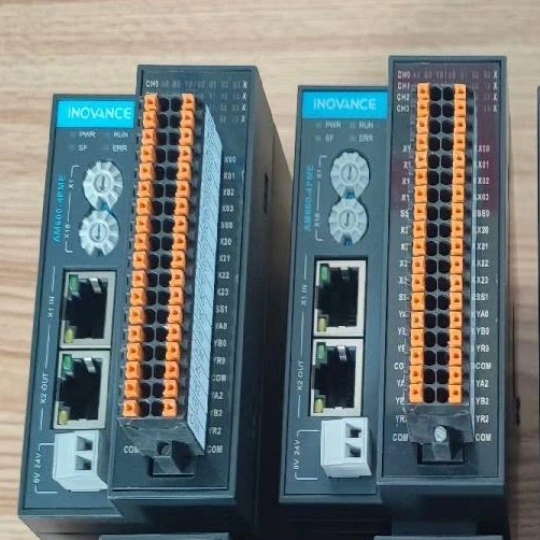
Meta Description: Discover high-performance industrial control cable module components designed for seamless automation, harsh environments, and superior connectivity. Explore specs, certifications, and applications.
H2: Industrial Con.
Contact Us
Feel free to reach out to us for any inquiries or orders.