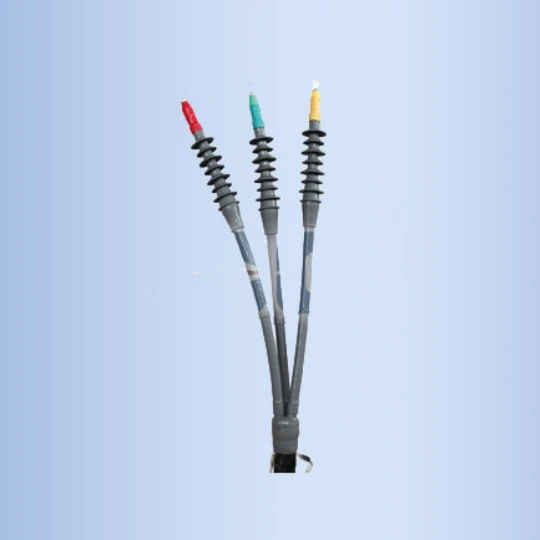
Industrial Cable Assemblies factory

Industrial Cable Assemblies factory

Industrial Cable Assemblies-Industrial Cable Assemblies factory

INFO

Industrial power cable assemblies are engineered to handle specific electrical loads. Exceeding their rated current capacity—known as overloading—can lead to severe consequences. Here’s a concise breakdown of the risks and actionable solutions.
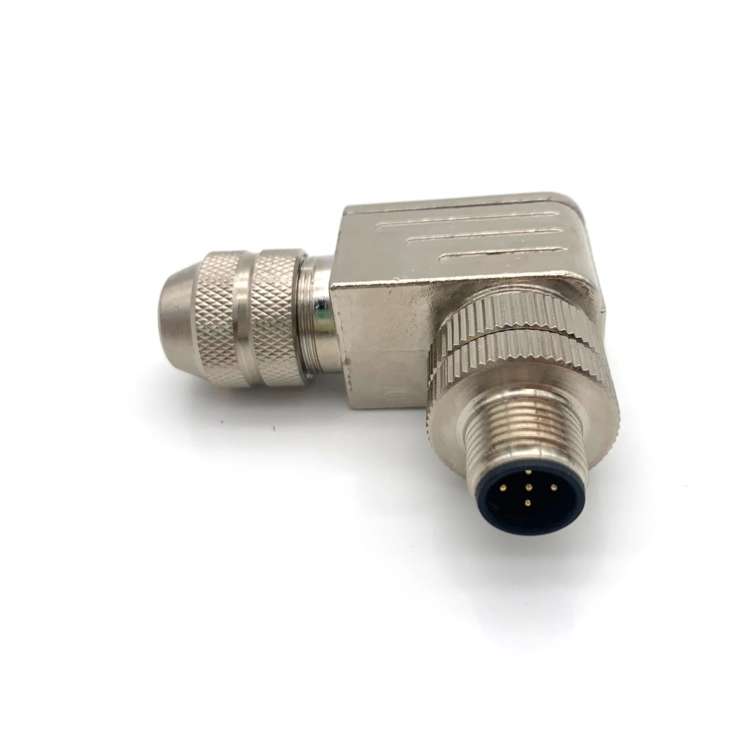
Key Risks of Overloading

  1. Fire Hazard:
    • Cables overheat when overloaded, melting insulation and igniting nearby materials. This poses catastrophic fire risks in facilities with flammable substances.
  2. Equipment Damage:
    • Excessive heat degrades cable insulation and conductors, causing premature failure of motors, controllers, and connected machinery.
  3. Electrical Faults:
    • Overloading increases resistance, leading to short circuits, arc flashes, or voltage drops that disrupt production and damage sensitive electronics.
  4. Operational Downtime:
    • Burnt cables or tripped breakers halt operations, resulting in costly production delays and emergency repairs.
  5. Safety Violations:
    • Non-compliance with standards like NEC, IEC, or OSHA can trigger fines, legal liability, and voided equipment warranties.
industrial cable assemblies

Practical Solutions to Prevent Overloading

  1. Adhere to Ampacity Ratings:
    • Always use cables rated for at least 125% of the continuous load current. Verify ratings match the application (e.g., ambient temperature, installation method).
  2. Install Protective Devices:
    • Use circuit breakers or fuses calibrated to trip below the cable’s current rating. Regularly test these devices to ensure functionality.
  3. Monitor Loads Continuously:
    • Implement clamp meters or IoT-based sensors to track real-time current draw. Set alarms for loads exceeding 80% of the cable’s capacity.
  4. Optimize Cable Layout:
    • Avoid bundling cables tightly or routing near heat sources. Use cable trays with adequate spacing to improve airflow and cooling.
  5. Upgrade Proactively:
    • When expanding machinery or power demands, replace cables with higher-rated assemblies before increasing loads.
  6. Conduct Thermal Imaging Scans:
    • Schedule quarterly infrared inspections to identify hotspots in cables or connections before failures occur.

Conclusion

Overloading industrial cables jeopardizes safety, equipment, and productivity. By rigorously following rated capacities, deploying protective systems, and monitoring loads, facilities prevent downtime and hazards while ensuring compliance. Prioritize proactive maintenance—replace cables at the first sign of wear, and never exceed manufacturer specifications.

FAQ

NEWS

More Products

Our factory offers high-quality products at competitive prices
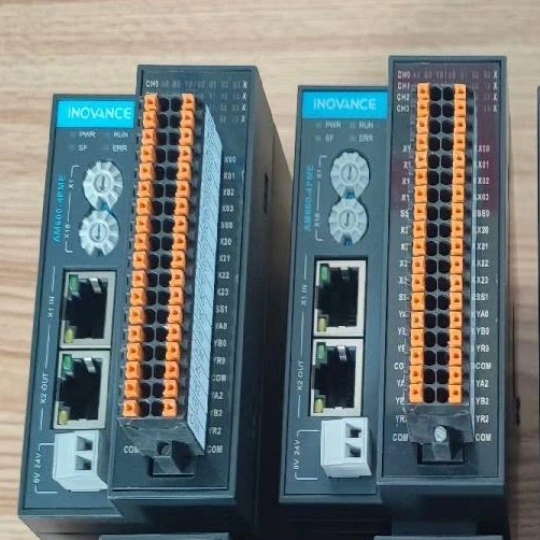
Protective cable kit

Protective cable kit

Meta Description: Discover the ultimate Protective Cable Kit designed to safeguard your cables from wear, tangles, and damage. Perfect for home, office, and industrial use. Shop now for long-lasting cable management! ​Protecti.

Industrial cable components

Industrial cable components

Industrial cable components are the backbone of reliable and efficient connectivity in industrial automation, robotics, and machinery. Engineered to withstand harsh environments while ensuring seamless data transmission and power delivery.

Contact Us

Feel free to reach out to us for any inquiries or orders.

Call Us

Have a question? Give us a call!

+861881875005

Email Us

Send us an email and we'll get back to you soon.

sales@custom-cable-assemblies.com
       
Home Products Contact