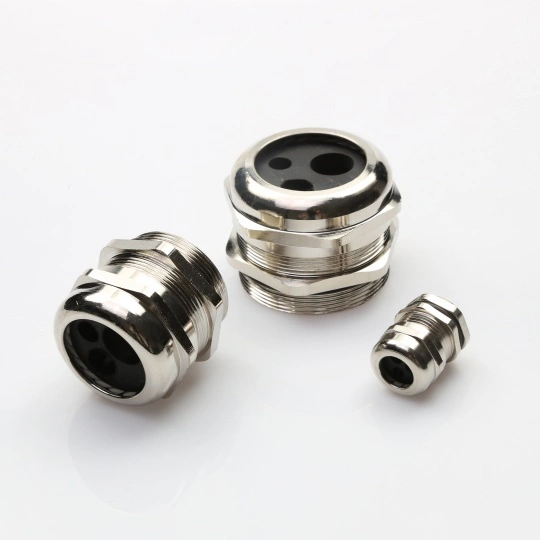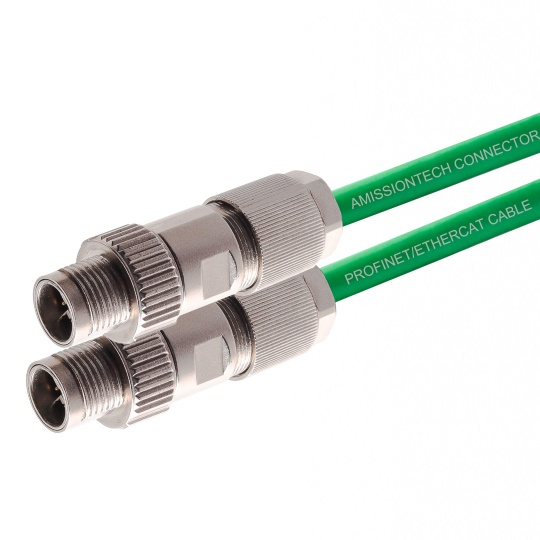
Industrial cable assemblies are critical components in manufacturing, automation, energy, and other heavy-duty sectors. Their lifespan directly impacts operational efficiency, safety, and maintenance costs. But how long do they actually last? The answer depends on multiple factors, including materials, environment, and usage. In this article, we’ll explore the typical lifespan of industrial cable assemblies, key factors affecting longevity, and actionable tips to extend their service life.
Typical Lifespan of Industrial Cable Assemblies
Industrial cable assemblies are designed for durability, but their lifespan varies widely:
- Standard assemblies: 5–15 years under normal conditions.
- High-performance assemblies: Up to 20–30 years with premium materials (e.g., Teflon, silicone) and proper care.
- Harsh environments: Lifespan may drop to 2–7 years in extreme temperatures, chemical exposure, or constant abrasion.
These estimates assume compliance with manufacturer specifications and routine maintenance. Let’s break down the factors that influence longevity.
Key Factors Affecting Cable Assembly Lifespan
- Material Quality
- Insulation/jacket materials: PVC, polyethylene (PE), and polyurethane (PU) offer varying resistance to heat, chemicals, and wear. For example, Teflon (PTFE) handles temperatures up to 260°C, while PVC degrades above 105°C.
- Conductors: Copper is standard, but tinned copper or silver-plated wires resist corrosion better.
- Environmental Conditions
- Temperature: Extreme heat accelerates insulation breakdown; cold makes materials brittle.
- Moisture/chemicals: Exposure to water, oils, or solvents can degrade insulation.
- UV radiation: Outdoor installations require UV-resistant jackets.
- Mechanical Stress
- Bending/flexing: Continuous motion (e.g., robotic arms) demands highly flexible cables.
- Vibration/abrasion: Cables in mining or construction face physical wear.
- Electrical Load
- Overloading cables beyond their rated voltage/current generates excess heat, shortening lifespan.
- Installation & Maintenance
- Poor installation (e.g., sharp bends, tight zip ties) causes premature failure.
- Lack of inspections allows minor issues (e.g., fraying) to escalate.
How to Extend the Lifespan of Industrial Cable Assemblies
Follow these best practices to maximize your cable assembly’s durability:
- Choose the Right Cable for the Application
- Match materials to environmental conditions (e.g., oil-resistant rubber for machinery).
- Opt for shielded cables in high-interference areas.
- Install Correctly
- Avoid sharp bends; follow minimum bend radius guidelines.
- Use strain reliefs and cable carriers in dynamic setups.
- Perform Regular Inspections
- Check for cracks, discoloration, or exposed wires.
- Test insulation resistance annually.
- Control Environmental Exposure
- Use protective conduits or sleeves in harsh settings.
- Keep cables away from heat sources or corrosive substances.
- Avoid Overloading
- Stay within the rated voltage/current limits.
- Use surge protectors to manage power fluctuations.
When to Replace Industrial Cable Assemblies
Watch for these signs of failure:
- Visible damage: Cracks, brittleness, or melted insulation.
- Performance issues: Intermittent connectivity, signal loss, or overheating.
- Frequent downtime: Recurring faults indicate systemic wear.
Proactive replacement prevents costly unplanned outages. For mission-critical systems, consider a preventive maintenance schedule.