Industrial Cable Assemblies-Industrial Cable Assemblies factory
Industrial cable assemblies are critical components in countless facilities, powering essential machinery and control systems. Their performance during a fire is paramount, not only for minimizing fire spread but crucially for maintaining critical circuit integrity (CI), ensuring crucial safety systems like fire alarms, emergency lighting, ventilation, and exit signs remain operational long enough for safe evacuation and firefighting efforts. Fire resistance ratings provide a standardized measure of this vital performance.
Unlike flammability ratings (which measure how easily a cable ignites or propagates flame), fire resistance ratings specifically assess a cable assembly’s ability to continue functioning while directly exposed to fire and high temperatures for a defined period. These ratings are defined through rigorous, standardized tests simulating severe fire conditions. The primary classifications for industrial cable assemblies are designated as Class A, Class B, and Class C, typically measured in minutes or hours (e.g., 30 minutes, 60 minutes, 90 minutes, 120 minutes, or 180 minutes). This rating indicates the minimum duration the cable assembly is designed to maintain circuit integrity under the specified test fire conditions.
The classification system (A, B, C) defines the intensity and conditions of the fire test itself:
Core Fire Resistance Test Standards:
Comparison of IEC/BS EN and UL Fire Resistance Classifications
| Feature | IEC/BS EN 60331 Fire Resistance | UL 2196 Fire Resistance (North America) |
|---|---|---|
| Classification | Classes A, B, C (Defined by Test Fire Severity) | Time Ratings (1 Hour, 2 Hour, 3 Hour) |
| Rating Basis | Duration cable maintains CI under specific fire class test | Duration cable maintains CI under UL 2196 furnace test |
| Fire Severity | A > B > C | UL furnace provides a severe hydrocarbon-like fire curve |
| Key Standards | IEC/BS EN 60331-11, -21, -23, -25 | UL 2196 |
| Common Durations | 30min, 60min, 90min, 120min, 180min (combined with Class) | 1 Hour, 2 Hour, 3 Hour |
What “Circuit Integrity” Means in Testing:
During these fire tests, the cable assembly is installed according to the manufacturer’s instructions within a furnace simulating severe fire conditions appropriate for the classification (A, B, C for IEC/EN or the UL profile). While exposed to high heat and flames, the cable must simultaneously withstand rated voltage without experiencing a short circuit or open circuit failure for the entire duration of the rating. This often involves monitoring conductor temperature rise (ΔT maximum limits) or verifying continued current flow without breakdown.
Key Markings:
Manufacturers clearly mark fire-resistant cable assemblies to identify their specific fire resistance classification and duration. Look for markings like:
Our factory offers high-quality products at competitive prices
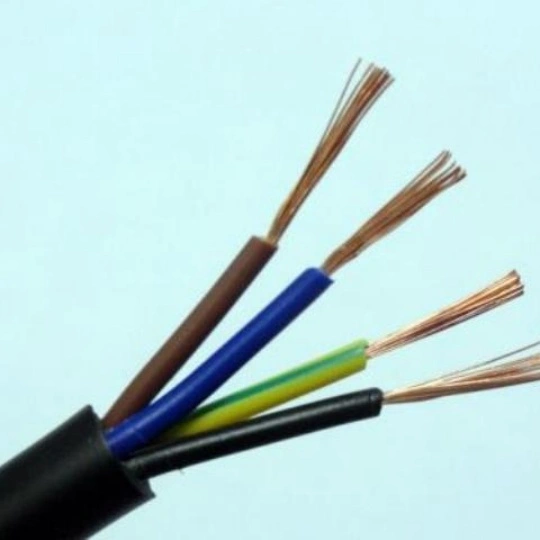
Meta Description: Discover the ultimate Protective Cable Kit designed to safeguard your cables from wear, tangles, and damage. Perfect for home, office, and industrial use. Shop now for long-lasting cable management! Protecti.
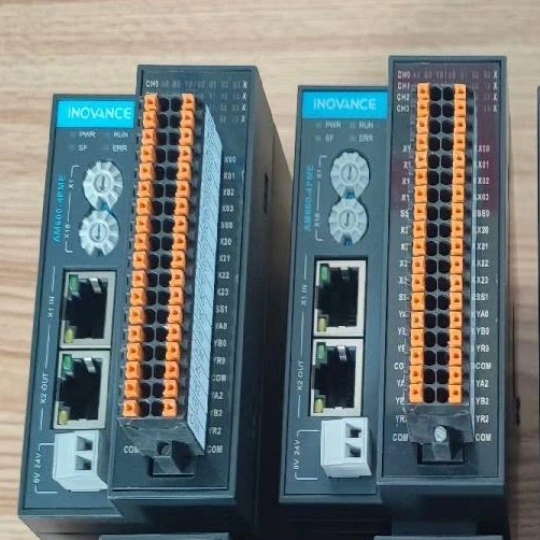
Meta Description: Discover high-performance industrial control cable module components designed for seamless automation, harsh environments, and superior connectivity. Explore specs, certifications, and applications. H2: Industrial Con.
Feel free to reach out to us for any inquiries or orders.