Introduction In industries where equipment is exposed to harsh environments—such as high-pressure water, chemicals, or extreme temperatures—standard cables often fail prematurely. This is where washdown-resistant cable assemblies come into play. Designed to withstand rigorous cleaning processes and corrosive conditions, these specialized components ensure reliable performance in demanding settings. In this article, we’ll explore what washdown-resistant cable assemblies are, their key features, applications, and why they’re essential for industries like food processing, pharmaceuticals, and manufacturing.
What Are Washdown-Resistant Cable Assemblies?
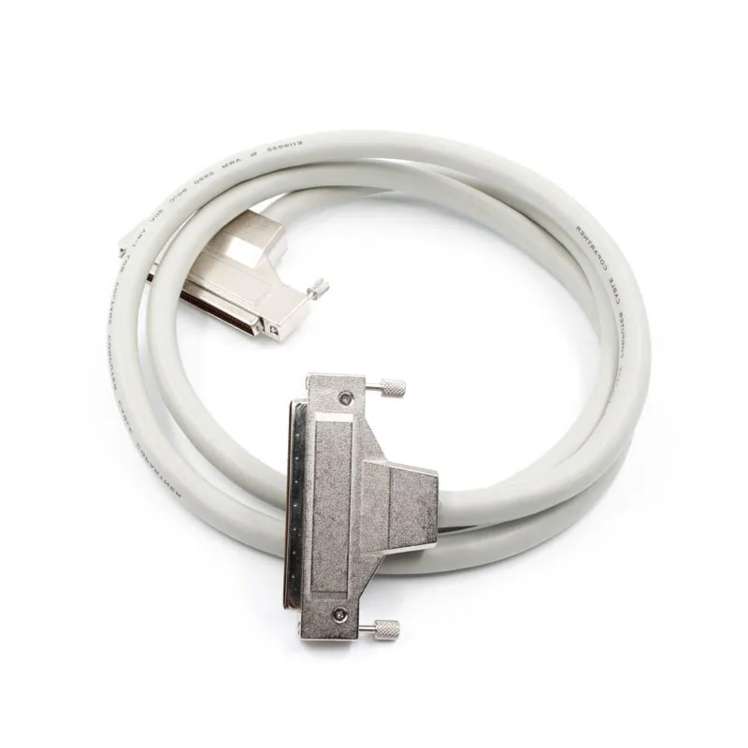
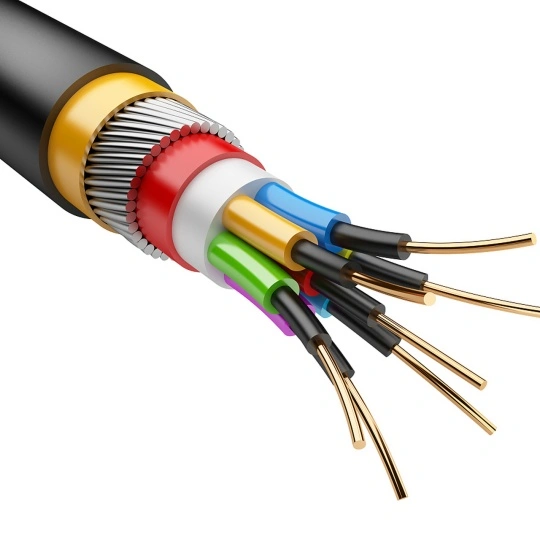
Washdown-resistant cable assemblies are engineered to endure frequent exposure to water, steam, chemicals, and high-pressure cleaning. Unlike standard cables, they feature:
Robust Materials: Jackets made from thermoplastic elastomers (TPE), polyurethane (PU), or silicone, which resist moisture, abrasion, and microbial growth.
Sealed Connectors: IP69K-rated or NEMA-rated connectors that prevent water, dust, and contaminants from penetrating.
Corrosion-Resistant Components: Stainless steel or nickel-plated connectors to avoid rust in humid or chemical-heavy environments.
Flexible Design: Reinforced shielding to maintain signal integrity even under constant bending or vibration.
These features make them ideal for environments requiring strict hygiene standards or exposure to aggressive cleaning agents.
Why Are Washdown-Resistant Cable Assemblies Important?
Reliability in Harsh Conditions Equipment in food processing plants, breweries, or pharmaceutical facilities undergoes daily high-pressure washdowns to meet sanitation regulations. Washdown-resistant cables prevent downtime caused by water ingress or corrosion.
Compliance with Industry Standards Industries like healthcare and food production require compliance with regulations such as FDA, USDA, or NSF. Washdown-resistant assemblies are designed to meet these standards, ensuring safe operations.
Long-Term Cost Savings By resisting wear and tear, these cables reduce the need for frequent replacements, lowering maintenance costs.
Applications of Washdown-Resistant Cable Assemblies
Food & Beverage Processing Used in conveyors, mixers, and packaging machines where equipment is cleaned with high-temperature water or sanitizing agents.
Pharmaceutical Manufacturing Critical for maintaining sterile environments in drug production lines or cleanrooms.
Chemical and Agricultural Facilities Protects sensors and control systems from exposure to fertilizers, pesticides, or acidic solutions.
Medical Equipment Ensures durability in autoclaves or imaging devices requiring frequent sterilization.
How to Choose the Right Washdown-Resistant Cable Assembly
Check IP/NEMA Ratings: Look for IP69K (water and dust resistance) or NEMA 4X/6P certifications.
Material Compatibility: Ensure jackets and connectors are suited for your industry’s specific chemicals and temperatures.
Customization Options: Work with suppliers to tailor lengths, connectors, or shielding based on your equipment.
Supplier Reputation: Partner with manufacturers experienced in industrial-grade solutions.
Maintenance Tips for Longevity
Inspect cables regularly for cracks or wear.
Avoid direct high-pressure spray on connectors.
Store spare assemblies in dry, temperature-controlled areas.
Replace components immediately if damage is detected.
Industrial cable assemblies operate in demanding environments – think factory floors, offshore rigs, medical devices, or heavy machinery. Failure isn’t an option; it means downtime, repair costs, and potential safety hazards. Ensu...
In the complex infrastructure of modern industry, high-voltage industrial cables serve as the lifeline for transmitting large amounts of electrical energy, powering everything from manufacturing plants and power stations to mining opera...
In cold climates, industrial cables face a series of unique challenges that can significantly affect their performance, reliability, and lifespan. These issues not only disrupt industrial operations but also pose potential safety hazard...
Industrial environments demand reliable connectivity, but high humidity poses a unique and persistent threat to cable assemblies. Understanding why these failures occur is crucial for selecting the right components and ensuring uptime, ...
The Nervous System of Smart Factories
Industrial cable assemblies serve as the central nervous system in smart manufacturing, transmitting power, data, and signals between machines, robots, and control systems. Their performance dire...
In the field of industrial automation, reliable data transmission and stable equipment connection are core guarantees for production efficiency. As a key supporting component of the CC-Link (Control & Communication Link) series—an i...
Industrial cables are critical assets in manufacturing, construction, and energy sectors—their performance directly impacts operational safety and efficiency. Improper long-term storage can lead to insulation degradation, conductor corr...
High-altitude installations, such as those in mountainous power transmission projects, telecommunications towers, or industrial facilities located at elevations above 1,500 meters, present unique challenges for industrial cables. The ha...
Voltage drop in industrial cables is a critical factor that directly impacts the performance, safety, and efficiency of electrical systems. Even small, unaccounted voltage drops can lead to equipment malfunctions, reduced motor lifespan...
In modern industrial production and automotive manufacturing, cables serve as the “nervous system” that transmits power and signals, ensuring the stable operation of equipment and vehicles. However, industrial cables and aut...
Copper is a fundamental material in the cable manufacturing industry, renowned for its excellent electrical conductivity, malleability, and corrosion resistance. As such, a shortage of copper can have far – reaching implications f...
Subsea fiber optic cable connectors play a crucial role in the reliable transmission of data and signals in underwater environments. However, the significant pressure differences between the deep – sea and the surface pose a major...
In industrial applications, cable assemblies often encounter extreme temperature conditions. Testing their performance under such circumstances is crucial to ensure reliable operation. This article will guide you through the essential s...
In the complex ecosystem of industrial manufacturing, cables serve as the vital nervous system, transmitting power and data across machinery, equipment, and production lines. However, harsh industrial environments—characterized by extre...
When selecting electrical cables for a project, understanding the differences between industrial cables and household cables is critical. These two cable types are designed for distinct environments, safety requirements,...
In industrial and electrical systems, cables are the backbone of power and data transmission—but not all cables are created equal. Industrial cables and battery cables, though both essential for electrical connectivity, are engineered f...
In the realm of heavy machinery operations, where colossal forces, relentless motion, and demanding environments converge, every component plays a critical role. Yet, one element often overlooked amid the roar of engines and the precisi...
Selecting the right industrial cable gauge is critical to avoiding equipment failure, safety hazards (such as overheating or short circuits), and inefficient energy transmission. Unlike residential cables, industrial applications involv...
Telecommunications networks are the lifeline of the modern digital world—enabling everything from daily video calls and cloud computing to critical services like remote healthcare and smart city operations. At the core of these reliable...
The cost of a standard industrial cable per meter can vary widely, typically ranging from as low as \(0.10 per meter for very basic types to over \)100 per meter for specialized, high – end industrial cables. Here are the key fact...
Industrial cable connectors are essential components in various industrial systems, enabling the reliable transmission of power, signals, and data. There are several common types, each designed to meet specific application requirements....
In today’s fast-paced manufacturing world, precision is non-negotiable—especially in industries like aerospace, automotive, and electronics, where a single faulty cable can lead to system failures or safety risks. Traditional cable asse...
IntroductionIndustrial robots are the backbone of modern manufacturing, performing tasks with precision and speed. However, their efficiency heavily relies on the durability of cable assemblies, which transmit power, signals, and data. ...
When it comes to electrical systems, choosing the right cables is critical for safety, efficiency, and performance. High-voltage (HV) and low-voltage (LV) cables serve distinct purposes, and understanding their differences is essential...
The worldwide transition to smarter, more resilient power networks is accelerating. Utilities are modernizing aging grids with digital monitoring, distributed energy resources (DERs), and advanced metering infrastructure (AMI). This shi...
IntroductionIn a landmark move to enhance fire safety across industries, international regulatory bodies have introduced updated Global Fire-Resistant Cable Standards. These standards aim to minimize fire risks, improve electrical safe...
The aerospace industry is a high – precision and high – risk field, where the reliability and safety of every component are crucial. Industrial cables, as the “nervous system” that transmits power and signals in ...
Introduction
The world’s infrastructure is aging rapidly, and one of the most overlooked yet critical components is cable systems. From power grids to telecommunications networks, outdated cables pose significant risks, including ser...
In today’s fast-paced technological landscape, industries demand cables that are not only high-performing but also adaptable to evolving needs. Enter modular design—a game-changing approach revolutionizing cable production. This articl...
As 5G-enabled industrial automation pushes factories toward higher speeds, more sensors, and harsher operating conditions, the reliability of every physical connection is under unprecedented pressure. Chemical resistant industrial cable...
In offshore oil and gas production, oil and gas industrial cable assembliesare far more than passive wiring—they are critical lifelines. They transmit power and data to everything from topside drilling systems to subsea control umbilica...
When upgrading heavy machinery, the weakest link is often not the engine or hydraulics, but the cable assemblies connecting sensors, actuators, and control systems. Standard M12 industrial cable assemblies can fail prematurely in high-v...
In today’s fast-paced industrial landscape, reliability and efficiency are non-negotiable. At the heart of this demand lies industrial cable assemblies—critical components that power machinery, enable communication between systems, an...
Industrial cable assemblies are the unsung heroes of modern manufacturing, automation, and infrastructure. They power machinery, transmit critical data, and ensure seamless connectivity in harsh environments. However, selecting the righ...
In the complex and demanding landscape of industrial operations, every component plays a critical role in ensuring seamless functionality, safety, and efficiency. Among these essential components, industrial cable connectors stand out a...
When designing or upgrading systems that rely on cable assemblies, engineers and procurement teams often face a critical choice: customized or standardized solutions. Both options have distinct advantages, but understanding their diffe...
When it comes to electrical cables, understanding the differences between industrial and marine cables is crucial for selecting the right option for specific applications. While both serve the purpose of transmitting electricity, their ...
In today’s industrial landscape, oil-resistant cable assemblies are no longer a niche product—they are a mission-critical component in ensuring uptime, safety, and long-term cost efficiency. This article explores how new material innova...
Industrial cables are the “nerve system” of modern manufacturing, energy, and infrastructure—powering motors, transmitting control signals, and connecting critical equipment. Their performance directly impacts operational ef...
In today’s technology-driven world, maintaining uninterrupted signal integrity is critical for industrial, commercial, and residential applications. The Shielded Cable Core is engineered to deliver superior electromagnetic interference .
Meta Description: Discover the ultimate Protective Cable Kit designed to safeguard your cables from wear, tangles, and damage. Perfect for home, office, and industrial use. Shop now for long-lasting cable management!
Protecti.
Contact Us
Feel free to reach out to us for any inquiries or orders.