Industrial Cable Assemblies-Industrial Cable Assemblies factory
In industrial environments such as chemical plants, oil and gas fields, mining sites, and pharmaceutical factories, cable assemblies are often exposed to corrosive chemicals, extreme temperatures, mechanical abrasion, and humid conditions. The durability of chemical resistant industrial cable assemblies in these harsh environments is not accidental but relies on the scientific selection and combination of core materials. From the outer jacket that bears the first wave of environmental erosion to the inner insulation, conductors, and shielding materials, each component’s material properties directly determine the cable’s service life, operational reliability, and safety. This article will delve into the key materials that make chemical resistant industrial cable assemblies durable, analyze their characteristics, and explore their applications in harsh environments.
When it comes to resisting harsh chemicals, fluoropolymers stand out as the most reliable material group for chemical resistant industrial cable assemblies. Their unique chemical structure—with strong carbon-fluorine bonds—makes them inert to almost all organic and inorganic chemicals, including strong acids,强碱 (strong bases), solvents, and oxidants. Common fluoropolymer materials used in cable assemblies include Polytetrafluoroethylene (PTFE), Fluorinated Ethylene Propylene (FEP), Perfluoroalkoxy (PFA), and Ethylene-Tetrafluoroethylene (ETFE), each with distinct properties that suit different application scenarios.
PTFE is renowned for its exceptional chemical resistance, often referred to as “the king of plastics” in corrosive environments. It can withstand exposure to almost all chemicals, including hydrofluoric acid, sulfuric acid, and organic solvents, without degradation. Additionally, PTFE has an extremely wide temperature range, operating from -75°C to +260°C, making it suitable for high-temperature harsh environments such as chemical reaction vessels and metallurgical processes . In cable assemblies, PTFE is commonly used as insulation material for conductors, especially in applications requiring high-frequency signal transmission, thanks to its low dielectric constant and low loss factor. However, PTFE has limitations: it cannot be melt-extruded and requires special processing methods, which makes it more expensive than other materials. This restricts its widespread use in cost-sensitive projects .
FEP is a modified fluoropolymer that combines the excellent chemical resistance of PTFE with melt-processability. Like PTFE, it is highly resistant to acids, bases, solvents, and oils, and operates in a temperature range of -75°C to +200°C . The melt-extrusion capability of FEP significantly improves production efficiency and reduces costs, making it a popular choice for cable jackets and insulation in chemical resistant industrial cable assemblies. For example, Amphenol TPC’s Chem-Gard® cable series uses FEP jackets and insulation, which can withstand prolonged immersion in kerosene and other harsh chemicals without swelling or cracking . FEP also has excellent flame retardancy and electrical insulation properties, making it suitable for data communication cables in chemical plants, where it can maintain stable performance while reducing the risk of fire and smoke spread .
PFA further enhances the processability of PTFE while retaining its superior chemical and high-temperature resistance. It can be melt-extruded into thin-walled products, making it ideal for applications where both chemical resistance and flexibility are required. PFA operates in a temperature range similar to PTFE (-75°C to +260°C) and has excellent creep resistance, ensuring long-term dimensional stability in harsh environments . In oil and gas exploration, PFA-insulated cables are used in deep-well data logging systems, where they withstand high temperatures, high pressures, and corrosive gases such as hydrogen sulfide . The combination of processability and performance makes PFA a preferred material for high-end chemical resistant industrial cable assemblies.
ETFE is a copolymer of ethylene and tetrafluoroethylene, offering a balance of chemical resistance, mechanical strength, and processability. It is resistant to most chemicals, including acids, bases, and solvents, and has a temperature range of -60°C to +150°C . Compared to other fluoropolymers, ETFE has higher tensile strength and impact resistance, making it suitable for cable jackets in environments with mechanical abrasion. It is also highly transparent, which facilitates visual inspection of cable integrity. ETFE is widely used in automotive and electronic communication applications, where it provides reliable insulation and chemical protection for thin-walled and high-temperature wires .
While fluoropolymers excel in chemical and high-temperature resistance, polyurethanes—especially Thermoplastic Polyurethane (TPU)—are favored for their exceptional mechanical properties combined with good chemical resistance. TPU is a versatile material that offers high abrasion resistance, tear strength, and flexibility, making it suitable for cable assemblies that require frequent movement or are exposed to mechanical stress, such as drag chains in automation systems and mobile equipment in mining sites .
In terms of chemical resistance, TPU can withstand exposure to oils, greases, and many industrial chemicals, although it is less resistant to strong acids and solvents than fluoropolymers . Lubrizol’s Estane® TPU, for example, is widely used in mining cable jackets, where it provides superior abrasion resistance—with a weight loss of only 20-25 mg after 1,000 cycles of Taber abrasion testing, compared to 222 mg for chlorosulfonated polyethylene and 631 mg for flexible PVC . TPU also has excellent low-temperature flexibility, operating from -50°C to +90°C, and is halogen-free, making it suitable for environments with strict fire safety requirements . BASF’s Elastollan® TPU is another high-performance option, offering hydrolysis resistance, oil resistance, and UV stability, making it ideal for cables in oil rigs, power stations, and outdoor industrial applications .
Thermoplastic Elastomers (TPE) are a class of materials that combine the flexibility of rubber with the processability of thermoplastics. They are increasingly used in chemical resistant industrial cable assemblies due to their good chemical resistance, wide temperature range, and environmental friendliness. TPE is resistant to oils, lubricants, and many industrial cleaning agents, making it suitable for applications in food processing plants and pharmaceutical factories, where frequent washdowns with chemical cleaners are required .
TPE has a temperature range of -50°C to +125°C, which allows it to perform reliably in both low-temperature and moderate-high-temperature environments . Its excellent flexibility and fatigue resistance make it ideal for dynamic applications such as robotic arms and moving conveyor systems, where cables are subjected to repeated bending . Unlike traditional rubber materials, TPE can be recycled, reducing environmental impact. However, TPE’s resistance to strong acids and solvents is lower than that of fluoropolymers, so it is more suitable for moderately corrosive environments.
The conductor is the core component of cable assemblies, responsible for transmitting electrical signals or power. In harsh chemical environments, conductors are at risk of corrosion, which can increase resistance and even cause cable failure. Therefore, the selection of conductor materials is crucial for the durability of chemical resistant industrial cable assemblies. The most common conductor material is copper, which offers excellent electrical conductivity. To enhance corrosion resistance, copper conductors are often tinned or silver-plated.
Tinned copper conductors are widely used in chemical resistant cables. The tin plating forms a protective barrier that prevents copper from reacting with corrosive chemicals such as sulfur dioxide and hydrogen sulfide . Amphenol TPC’s Chem-Gard® Profibus high-temperature cable, for example, uses finely stranded tinned copper conductors, which not only resist corrosion but also improve flex-life and reduce conductor fatigue . Silver-plated copper conductors offer even higher corrosion resistance and are suitable for ultra-high-frequency signal transmission applications, such as in aerospace and high-precision instrumentation, although they are more expensive.
In some extreme environments, such as high-temperature and high-corrosion areas, nickel-plated copper or nickel conductors may be used. Nickel has excellent high-temperature resistance and corrosion resistance, making it suitable for cables in metallurgical processes and gas turbines. However, nickel’s electrical conductivity is lower than copper, so it is only used in specific high-temperature applications.
In industrial environments, cable assemblies are often exposed to electromagnetic interference (EMI) and radio frequency interference (RFI), which can disrupt signal transmission. Shielding materials not only protect against interference but also need to resist chemical corrosion to ensure long-term effectiveness. Common shielding materials for chemical resistant industrial cable assemblies include tinned copper braid, aluminum/polyester foil, and metalized films.
Tinned copper braid is the most widely used shielding material. It offers excellent EMI/RFI shielding effectiveness and good chemical resistance due to the tin plating . The braid structure also provides some mechanical protection against abrasion. Amphenol TPC’s Chem-Gard® cables use a combination of tinned copper braid and aluminum/polyester foil shielding, providing 100% protection against EMI/RFI and ensuring stable signal transmission in chemical environments . Aluminum/polyester foil shielding is lightweight and cost-effective, offering good shielding effectiveness for high-frequency signals. However, aluminum is susceptible to corrosion in acidic environments, so it is often combined with a protective coating or used in conjunction with copper braid in chemical resistant cables.
The durability of chemical resistant industrial cable assemblies in harsh environments is not determined by a single material but by the synergy of all components. For example, a cable used in an oil refinery may consist of a PTFE insulation layer (resisting chemical corrosion and high temperature), a tinned copper conductor (ensuring conductivity and corrosion resistance), an aluminum/polyester foil shielding (protecting against EMI), and a TPU jacket (providing mechanical abrasion resistance). Each material complements the others, creating a cable assembly that can withstand the complex harsh environment of the oil refinery.
Another example is the Chem-Gard® 200 multi-conductor cable from Amphenol TPC, which combines FEP insulation and jacket (chemical and high-temperature resistance), finely stranded copper conductors (flexibility and conductivity), and tinned copper braid shielding (EMI protection and corrosion resistance). This combination allows the cable to operate reliably in control and instrumentation applications at temperatures up to 200°C, resisting exposure to oils, acids, and solvents .
The durability of chemical resistant industrial cable assemblies in harsh environments is rooted in the scientific selection of core materials. Fluoropolymers (PTFE, FEP, PFA, ETFE) provide exceptional chemical and high-temperature resistance, making them ideal for extreme corrosive environments. Polyurethanes (TPU) and thermoplastic elastomers (TPE) offer a balance of mechanical durability and chemical resistance, suitable for applications with mechanical stress and moderate corrosion. Tinned or silver-plated copper conductors ensure reliable electrical conductivity and corrosion resistance, while tinned copper braid and aluminum/polyester foil shielding protect against EMI/RFI in harsh environments.
When selecting chemical resistant industrial cable assemblies, it is essential to consider the specific harsh environment factors—such as the type of chemicals, temperature range, mechanical stress, and interference levels—and choose the appropriate material combination. By understanding the properties and applications of these key materials, industrial operators can ensure that their cable assemblies maintain long-term reliability, reduce downtime, and improve operational safety. As industrial environments become increasingly complex, the development of new high-performance materials will continue to drive the advancement of chemical resistant industrial cable assemblies, providing more reliable solutions for harsh environment applications.
Our factory offers high-quality products at competitive prices
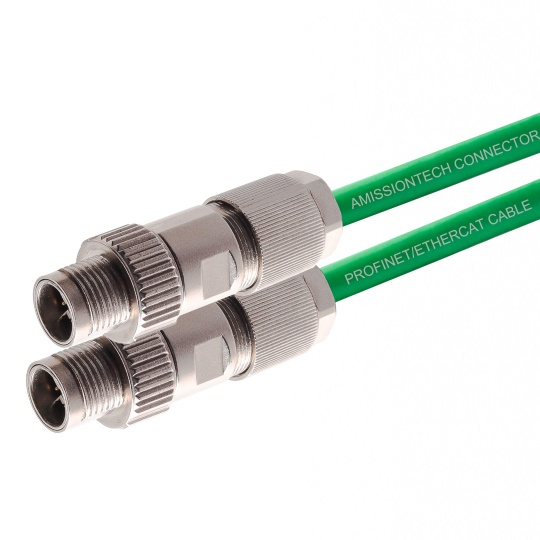
Industrial cable components are the backbone of reliable and efficient connectivity in industrial automation, robotics, and machinery. Engineered to withstand harsh environments while ensuring seamless data transmission and power delivery.
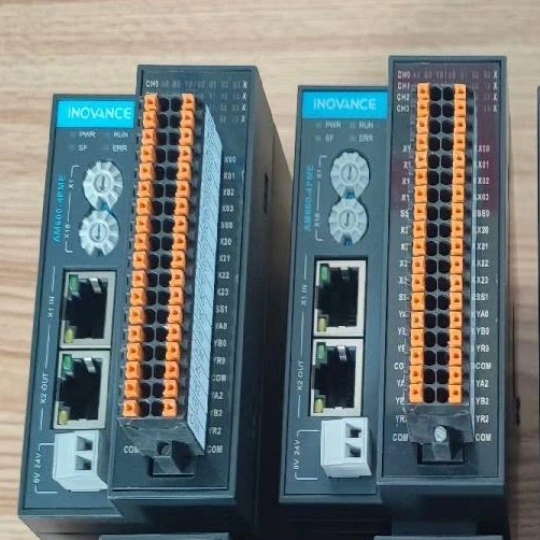
Meta Description: Discover high-performance industrial control cable module components designed for seamless automation, harsh environments, and superior connectivity. Explore specs, certifications, and applications. H2: Industrial Con.
Feel free to reach out to us for any inquiries or orders.