Industrial Cable Assemblies-Industrial Cable Assemblies factory
In industrial settings such as manufacturing plants, oil refineries, automotive production lines, and marine engineering, cable assemblies are often exposed to harsh conditions—constant oil immersion, high temperatures, mechanical abrasion, chemical corrosion, and even extreme pressure. Among these, oil contamination is one of the most damaging factors, as it can degrade insulation, weaken conductors, and ultimately lead to cable failure, causing production downtime, equipment damage, or even safety hazards. Oil resistant industrial cable assemblies are designed to combat these challenges, and their durability in harsh environments is largely determined by the materials used in their construction. From conductors and insulation to jackets and shielding, each component’s material selection plays a critical role in ensuring the cable assembly’s resistance to oil and overall longevity. This article delves into the key materials that make these cable assemblies reliable in oil-rich and harsh industrial environments, explaining their properties, benefits, and applications.
The conductor is the core of any cable assembly, responsible for transmitting electrical signals or power. In oil-resistant industrial applications, conductors must not only offer excellent electrical conductivity but also resist corrosion and degradation when in contact with oil and other harsh substances. The two primary conductive materials used in oil resistant industrial cable assemblies are copper and aluminum, with copper being the preferred choice for most high-demand scenarios.
Copper is the gold standard for industrial cable conductors, and for good reason. It boasts exceptional electrical conductivity—second only to silver—ensuring efficient power transmission with minimal energy loss. When it comes to oil resistance, copper’s natural properties, combined with specific plating treatments, make it highly durable in harsh environments. Unplated copper can withstand exposure to most industrial oils (such as mineral oils, hydraulic oils, and synthetic oils) without significant corrosion, as oil acts as a partial barrier against oxygen, reducing oxidation. However, in environments where oil is mixed with moisture or chemicals (e.g., acidic or alkaline substances), copper may be prone to tarnishing or pitting. To address this, copper conductors in oil resistant cable assemblies are often plated with tin, silver, or gold.
Tin-plated copper is the most common option for oil-resistant applications. Tin provides an additional layer of protection against corrosion, preventing the copper from reacting with moisture, acids, or other contaminants present in the oil. It also improves the solderability of the conductor, making installation and maintenance easier. Silver-plated copper is used in high-performance applications where higher conductivity, better thermal resistance, and enhanced corrosion resistance are required—such as in high-temperature oil refineries or aerospace industrial settings. Gold-plated copper, though more expensive, offers superior corrosion resistance and is ideal for critical applications where signal integrity must be maintained in extremely harsh, oil-rich environments.
Aluminum is a more cost-effective alternative to copper, with good electrical conductivity (about 60% that of copper). It is also lighter, making it suitable for applications where weight is a concern. However, aluminum is more prone to corrosion than copper, especially in the presence of oil and moisture. Aluminum oxide, the protective layer formed on aluminum’s surface, can be compromised by certain industrial oils, leading to further oxidation and weakening of the conductor. For this reason, aluminum conductors are rarely used in oil-resistant industrial cable assemblies unless cost is the primary driver and the environment is relatively mild (e.g., low moisture, non-corrosive oils). When used, they are typically coated with a protective layer (such as epoxy or polyurethane) to enhance oil and corrosion resistance.
Insulation materials surround the conductor, preventing electrical short circuits and protecting the conductor from external damage—including oil immersion. For oil resistant industrial cable assemblies, insulation materials must be chemically resistant to a wide range of industrial oils, as well as resistant to high temperatures, abrasion, and chemical corrosion. The most commonly used insulation materials for this purpose are cross-linked polyethylene (XLPE), ethylene propylene rubber (EPR), and fluoropolymers such as polytetrafluoroethylene (PTFE).
XLPE is a widely used insulation material in industrial cables due to its excellent balance of performance and cost-effectiveness. It is created by cross-linking polyethylene molecules, which enhances its thermal stability, mechanical strength, and chemical resistance—including oil resistance. XLPE can withstand exposure to mineral oils, hydraulic oils, and most synthetic oils without swelling, cracking, or degrading. It also has a high temperature rating (typically up to 90°C or 125°C for cross-linked versions), making it suitable for use in high-temperature industrial environments such as engine bays or oil refineries.
One of the key advantages of XLPE is its flexibility, which makes cable installation easier in tight spaces. It also has good dielectric strength, ensuring reliable insulation even in high-voltage applications. However, XLPE may not be suitable for environments exposed to aggressive chemicals (such as strong acids or bases) in addition to oil. In such cases, more robust materials like fluoropolymers are preferred.
EPR is a synthetic rubber known for its exceptional resistance to heat, ozone, and chemicals—including oil. It is commonly used in oil resistant industrial cable assemblies that operate in harsh environments with high temperatures (up to 150°C) and exposure to a wide range of oils, including mineral oils, synthetic oils, and even some aggressive hydraulic fluids. EPR’s chemical structure makes it highly resistant to swelling and degradation when immersed in oil, ensuring long-term insulation performance.
EPR also has excellent mechanical flexibility and resistance to abrasion, making it suitable for applications where the cable is subject to frequent bending or physical contact with rough surfaces (e.g., in conveyor systems or heavy machinery). Additionally, EPR is resistant to ozone and weathering, making it suitable for both indoor and outdoor oil-resistant applications. However, EPR is more expensive than XLPE, which may limit its use in cost-sensitive projects.
Fluoropolymers are a family of high-performance plastics known for their exceptional chemical resistance, thermal stability, and oil resistance. The most commonly used fluoropolymers in oil resistant industrial cable assemblies are polytetrafluoroethylene (PTFE), fluorinated ethylene propylene (FEP), and perfluoroalkoxy alkane (PFA). These materials are ideal for applications where the cable is exposed to aggressive oils, chemicals, or extreme temperatures.
PTFE, also known by the brand name Teflon, is perhaps the most well-known fluoropolymer. It has an extremely low coefficient of friction, excellent dielectric properties, and is resistant to almost all industrial chemicals and oils—including strong acids, bases, and solvents. PTFE can withstand temperatures up to 260°C, making it suitable for use in high-temperature oil refineries, chemical processing plants, and aerospace applications. However, PTFE is relatively stiff, which can make cable installation more challenging, and it is more expensive than XLPE or EPR.
FEP is a modified version of PTFE that offers better flexibility and processability while maintaining similar chemical and oil resistance. It has a temperature rating of up to 200°C and is often used in oil resistant cables that require flexibility (e.g., in robotic arms or moving machinery). PFA, another fluoropolymer, combines the flexibility of FEP with the high-temperature resistance of PTFE, making it suitable for extreme environments where both flexibility and resistance to oil and heat are required.
The jacket is the outermost layer of a cable assembly, providing protection against physical damage, oil immersion, chemical corrosion, and environmental factors such as moisture, UV radiation, and extreme temperatures. For oil resistant industrial cable assemblies, the jacket material must be highly resistant to swelling, cracking, and degradation when exposed to a wide range of industrial oils. The most commonly used jacket materials for this purpose are polyurethane (PU), neoprene (polychloroprene), and PVC (polyvinyl chloride) – though PVC is only suitable for mild oil environments.
Polyurethane is a popular jacket material for oil resistant industrial cable assemblies due to its exceptional oil resistance, mechanical strength, and flexibility. It is resistant to most industrial oils, including mineral oils, hydraulic oils, and synthetic oils, and does not swell or degrade when immersed in these substances. PU also has excellent abrasion resistance, making it ideal for applications where the cable is subject to frequent contact with rough surfaces (e.g., in manufacturing plants, construction sites, or marine environments).
PU has a wide temperature range (typically from -40°C to 90°C), making it suitable for use in both extreme cold and moderate heat environments. It also has good resistance to UV radiation and weathering, making it suitable for outdoor applications. Additionally, PU is flexible, which allows for easy installation in tight spaces and reduces the risk of jacket cracking during bending. However, PU may not be suitable for environments exposed to strong solvents (such as acetone or methanol) in addition to oil.
Neoprene is a synthetic rubber known for its excellent resistance to oil, chemicals, and weathering. It is commonly used in oil resistant cable assemblies that operate in harsh environments with exposure to mineral oils, hydraulic oils, and some synthetic oils. Neoprene has good mechanical strength and abrasion resistance, making it suitable for applications where the cable is subject to physical damage (e.g., in heavy machinery or industrial equipment).
Neoprene has a temperature rating of up to 100°C and is resistant to ozone and UV radiation, making it suitable for both indoor and outdoor use. It also has good flame resistance, which is an important safety feature in industrial environments. However, neoprene is less flexible than PU and may become stiff at low temperatures, which can limit its use in extreme cold environments. It is also more expensive than PVC.
PVC is a cost-effective jacket material that offers moderate oil resistance. It is suitable for use in environments with exposure to mild oils (e.g., some mineral oils) but may swell or degrade when exposed to aggressive oils (such as synthetic hydraulic fluids) or high temperatures. PVC has a temperature rating of up to 70°C, which limits its use in high-temperature industrial environments.
Despite its limitations, PVC is widely used in oil resistant cable assemblies for cost-sensitive applications where the environment is relatively mild (e.g., in some automotive applications or light manufacturing). It is also easy to process and has good flame resistance. However, for harsh oil-rich environments, PU or neoprene are better choices.
In many industrial environments, cable assemblies are exposed to electromagnetic interference (EMI) from nearby equipment such as motors, transformers, and power lines. EMI can disrupt signal transmission, leading to equipment malfunctions or data errors. For oil resistant industrial cable assemblies that transmit sensitive signals (e.g., in control systems or instrumentation), shielding is essential. The shielding material must not only provide effective EMI protection but also be resistant to oil and harsh environments.
The most commonly used shielding materials for oil resistant cable assemblies are copper and aluminum, in the form of braided shields, foil shields, or a combination of both.
Copper braided shields are made from interwoven copper wires, providing excellent EMI shielding (typically 85-95% coverage). Copper’s high electrical conductivity makes it effective at absorbing and diverting electromagnetic waves. In oil-resistant applications, copper braided shields are often tin-plated to enhance corrosion resistance, as mentioned earlier. The tin plating prevents the copper from reacting with oil, moisture, or chemicals, ensuring long-term shielding performance.
Copper braided shields also offer good mechanical strength and flexibility, making them suitable for applications where the cable is subject to bending or movement. However, they are more expensive than aluminum shields and may add weight to the cable assembly.
Aluminum foil shields are thin layers of aluminum bonded to a polyester or polypropylene backing, providing 100% coverage and effective EMI shielding. Aluminum is lightweight and cost-effective, making it a popular choice for oil resistant cable assemblies where weight and cost are concerns. However, aluminum is more prone to corrosion than copper, so aluminum foil shields in oil-resistant applications are often coated with a protective layer (such as epoxy or PU) to prevent degradation from oil and moisture.
Aluminum foil shields are less flexible than copper braided shields and may tear if the cable is subject to frequent bending. For this reason, they are often used in combination with a copper braided shield (known as a “foil + braid” shield) to provide both 100% coverage and flexibility.
When selecting materials for oil resistant industrial cable assemblies, it is important to consider the specific conditions of the application. Here are some key factors to keep in mind:
Different industrial oils have different chemical properties, and some materials may be resistant to one type of oil but not another. For example, mineral oils are less aggressive than synthetic hydraulic fluids, so materials like XLPE or PVC may be suitable for mineral oil environments but not for synthetic oil environments. It is essential to identify the type of oil the cable will be exposed to and select materials that are specifically resistant to that oil.
Industrial environments can have extreme temperatures, so the materials used in the cable assembly must be able to withstand the minimum and maximum temperatures of the application. For example, PTFE is suitable for high-temperature environments up to 260°C, while PVC is only suitable for temperatures up to 70°C. Using a material outside its temperature range can lead to degradation, swelling, or cracking.
If the cable assembly will be subject to frequent bending, twisting, or physical contact with rough surfaces, the materials must have good mechanical strength and abrasion resistance. PU and EPR are excellent choices for applications with high mechanical stress, while PTFE may be too stiff.
In addition to oil, the cable assembly may be exposed to other chemicals such as acids, bases, or solvents. Fluoropolymers (PTFE, FEP, PFA) are the most resistant to a wide range of chemicals, while XLPE and EPR may be susceptible to degradation in aggressive chemical environments.
High-performance materials like PTFE and silver-plated copper are more expensive than standard materials like XLPE and copper. It is important to balance performance requirements with cost considerations. For non-critical applications with mild oil exposure, cost-effective materials may be sufficient, while critical applications with harsh conditions require high-performance materials.
The durability of oil resistant industrial cable assemblies in harsh environments is directly determined by the materials used in their construction. From conductors (copper, tin-plated copper) to insulation (XLPE, EPR, PTFE), jackets (PU, neoprene), and shielding (copper braid, aluminum foil), each component’s material selection must be tailored to the specific conditions of the application—including the type of oil, temperature range, mechanical stress, and chemical exposure. By choosing the right materials, industrial operators can ensure that their cable assemblies withstand the rigors of oil-rich environments, minimize downtime, and maintain reliable performance for years to come.
When selecting an oil resistant industrial cable assembly, it is essential to work with a reputable manufacturer that can provide detailed information about the materials used and their performance characteristics. This ensures that the cable assembly is designed to meet the unique requirements of the application and will deliver the durability and reliability needed in harsh industrial environments.
Our factory offers high-quality products at competitive prices
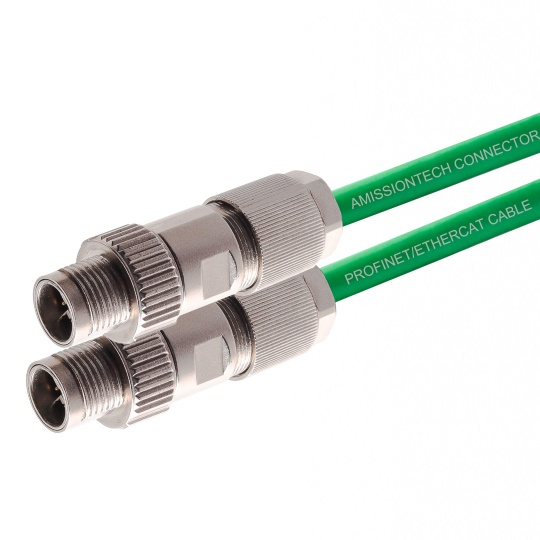
Industrial cable components are the backbone of reliable and efficient connectivity in industrial automation, robotics, and machinery. Engineered to withstand harsh environments while ensuring seamless data transmission and power delivery.
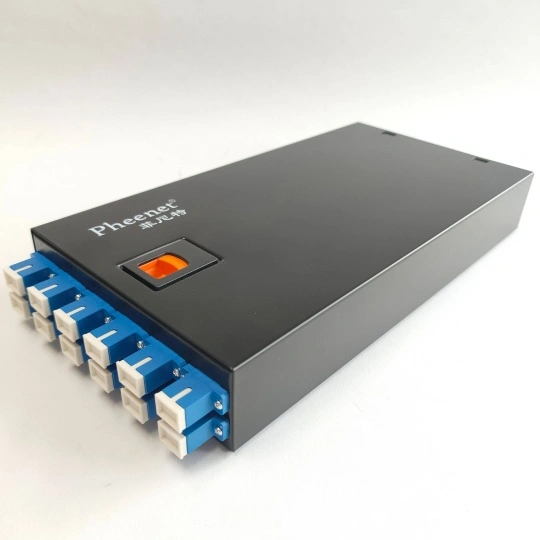
Product OverviewQuick-Install Cable Adapters are the game-changing connectivity solution designed for professionals and DIY enthusiasts alike. Engineered to eliminate installation hassles, these adapters provide instant, tool-free conne.
Feel free to reach out to us for any inquiries or orders.