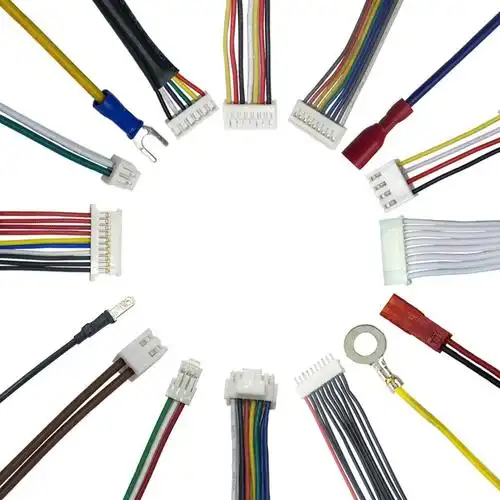
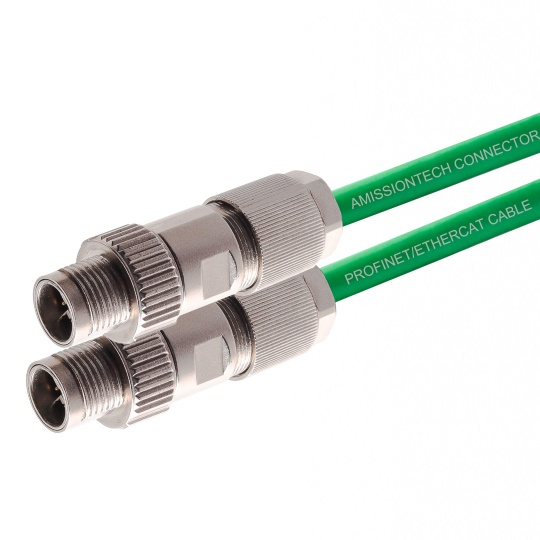
In the relentless pursuit of efficiency and cost-saving within automotive manufacturing, the temptation to use cheaper, non-compliant industrial cable assemblies can arise. This is a dangerous gamble with serious consequences. Understanding the risks is crucial for protecting your operations, reputation, and most importantly, road safety.
Here’s a quick action plan to avoid these risks:
Know & Demand the Standards: Explicitly require cable assemblies to meet relevant standards like ISO 6722 (automotive cable basic performance), OEM specifications, ISO/SAE 21434 (cybersecurity), and UL/CSA if applicable.
Vet Suppliers Rigorously: Choose suppliers with proven automotive expertise and valid certifications (e.g., IATF 16949). Audit their processes and quality systems.
Insist on Traceable Documentation: Demand detailed Certificates of Conformity (CoC) and material/test reports for every batch. Full traceability is non-negotiable.
Implement Robust Incoming Inspection: Don’t just trust paperwork. Conduct random physical inspections and performance tests on received assemblies per agreed protocols.
Audit Regularly: Make compliance verification an ongoing process, not just a one-time checkbox.
The Critical Risks of Non-Compliant Cable Assemblies
Catastrophic Safety Failures & Fire Hazard:
Risk: Cables not built with automotive-grade materials (correct temperature rating, flame retardancy) can degrade prematurely. Overheating, short circuits, arcing, or even fires can occur, posing life-threatening risks to vehicle occupants.
Solution: Use assemblies certified to stringent fire safety standards like UL 558 / CSA 22.2 No. 291 and meeting OEM temperature requirements.
Premature Failure & Vehicle Downtime:
Risk: Non-compliant cables often lack the durability needed for the harsh automotive environment (vibration, chemicals, extreme temperatures, moisture). This leads to brittle insulation, conductor fatigue, connector corrosion, and unexpected failures – causing breakdowns, warranty claims, and frustrated customers.
Solution: Insist on assemblies meeting ISO 6722 for base performance and proven compatibility with automotive fluids like oil, coolant, and fuels. Verify material specifications.
Risk: Modern vehicles rely on complex electronic systems (ECUs, sensors, ADAS). Cables lacking proper shielding or twisted pair design can cause electromagnetic interference (EMI) or be susceptible to it. This disrupts critical signals, leading to erratic behavior, false warnings, or system shutdowns.
Solution: Demand cable assemblies designed specifically for EMC performance (Electromagnetic Compatibility), meeting standards like CISPR 25 and OEM EMC requirements. Verify shielding integrity and connector shielding design.
Cybersecurity Vulnerabilities:
Risk: Insecure connectors, poor physical design, or non-traceable components in cable assemblies can be exploited as entry points for cyber attacks on increasingly connected vehicles.
Solution: Partner with suppliers knowledgeable about and compliant with automotive cybersecurity standards like ISO/SAE 21434. Ensure robust physical design and tamper-resistance where needed.
Costly Production Delays & Scrap:
Risk: Assemblies that fail during manufacturing tests or require rework due to incorrect connectors, lengths, or markings cause immediate assembly line stoppages. Discovering non-compliance late leads to scrapped components or even vehicles, destroying cost savings.
Solution: Implement strict incoming inspection protocols and require PPAP (Production Part Approval Process) documentation confirming the assembly meets all dimensional, performance, and marking specs before full-scale production use.
Recall Liability & Reputational Damage:
Risk: If a non-compliant cable assembly contributes to a safety-related failure discovered post-production, the result can be a massive, expensive recall. Beyond the direct costs, the damage to brand reputation and loss of consumer trust is immense and long-lasting.
Solution: Rigorous supply chain due diligence, traceability, and adherence to industry standards are the only effective shields against this existential threat. Comprehensive documentation is vital to prove compliance in the event of an investigation.
Protect Your Process and Your Product
Using compliant automotive cable assemblies is not a cost center; it’s a critical investment in safety, reliability, and operational stability. Partnering with reputable suppliers dedicated to automotive standards and implementing robust quality controls is the only way to mitigate these significant risks. Don’t let a shortcut on cables drive your entire operation off the road. Insist on full compliance at every step.
The oil and gas industry operates in some of the harshest and most demanding environments on the planet, from deep-sea drilling rigs to high-temperature refineries and remote desert pipelines. In such settings, industrial cables play a ...
The telecommunications industry demands cable assemblies that deliver high-speed data transmission, minimal signal loss, and robust reliability across complex networks. From 5G base stations and fiber-optic backbones to data centers and...
Tidal energy is a predictable and clean form of renewable power, but its marine environment—with high salinity, strong currents, and constant vibration—demands cabling systems that go beyond standard industrial specs. This is where cust...
Industrial cables are the lifeline of modern manufacturing, construction, and infrastructure projects—powering machinery, transmitting data, and ensuring operational safety. For businesses and procurement teams, finding wholesale source...
Industrial environments are battlegrounds for signals. Machinery, motors, and power lines generate intense electromagnetic interference (EMI) and radio frequency interference (RFI). Without proper defense, these invisible enemies can co...
The world of Industrial IoT (IIoT) demands agility. Connecting sensors, controllers, machines, and gateways in dynamic industrial environments presents unique challenges: equipment moves, layouts change, and unexpected failures demand q...
Industrial cables are the lifelines of manufacturing plants, power grids, and heavy machinery. Their conductivity directly impacts energy efficiency, operational safety, and equipment performance. A cable with poor conductivity can lead...
In the realm of industrial infrastructure, every component plays a critical role in ensuring seamless operations—but few are as overlooked yet impactful as the weight of industrial cables. From manufacturing plants and power distributio...
In the complex and demanding landscape of industrial operations, the reliability and performance of electrical and data cables are paramount. Industrial environments are rife with potential disruptions, from electromagnetic interference...
This question is critical for professionals in manufacturing, energy, and heavy industries, where cables operate in demanding environments. The answer depends on multiple factors, primarily the cable’s insulation material, design, and i...
In the complex infrastructure of modern industry, high-voltage industrial cables serve as the lifeline for transmitting large amounts of electrical energy, powering everything from manufacturing plants and power stations to mining opera...
Electrical cable overload is a silent threat that can lead to catastrophic consequences, including fires, equipment damage, and costly downtime. Thermal imaging cameras have emerged as a game-changing tool for identifying overheating in...
In the fast-paced and highly precise world of industrial automation, every component plays a pivotal role in ensuring seamless operations, reliable data transmission, and long-term durability. Among the myriad of connectivity solutions,...
In the complex ecosystem of industrial manufacturing, cables serve as the vital nervous system, transmitting power and data across machinery, equipment, and production lines. However, harsh industrial environments—characterized by extre...
PUR industrial cable assemblies are the top choice for harsh, dynamic industrial environments, offering exceptional abrasion resistance, oil resistance, low-temperature flexibility, and long service life under continuous flexing. This g...
Medical device cable assemblies are critical components in healthcare settings, connecting vital equipment such as patient monitors, imaging systems, ventilators, and surgical tools. These cables must maintain flawless performance to en...
The choice between copper and aluminum as conductive materials for cables has shaped the electrical and telecommunications industries for decades. As technology evolves and sustainability becomes a priority, understanding the properties...
In the construction industry, industrial cables are vital for transmitting electricity, ensuring the smooth operation of various equipment and systems. However, their improper use can lead to serious safety hazards such as electrical fi...
The maximum bending angle of an industrial cable is not a fixed value; it is determined by multiple factors such as cable structure, material properties, application scenarios, and industry standards. Understanding these factors is cruc...
In industrial automation, standard cables often fail when temperatures swing to extremes. Whether you are dealing with the scorching heat of a steel mill or the deep freeze of a cold storage warehouse, choosing the wrong cable assembly ...
Meta Description: Discover how biodegradable cables are revolutionizing industries with eco-friendly solutions. Learn about their benefits, applications, and future potential for reducing e-waste.
IntroductionAs global deman...
Mining operations are among the most demanding industrial environments, characterized by extreme temperatures, high mechanical stress, chemical exposure, and the constant risk of abrasion or impact. Heavy-duty industrial wires serve as ...
The global market for robotics industrial cable assembliesis entering a high-growth phase. Industry forecasts project a compound annual growth rate (CAGR) of approximately 14.6%through 2026, driven by the rapid expansion of industrial a...
IntroductionAs global industries face mounting pressure to reduce carbon footprints, the cable manufacturing sector is undergoing a transformative shift. The rise of carbon-neutral cable factories marks a critical milestone in sustainab...
In industries where failure is not an option, High Voltage Industrial Cable Assemblies with Wide Temperature Range for Extreme Scenariosare the critical links that keep power and signals flowing. These assemblies are purpose-built to op...
The cable industry, a backbone of modern technology, is poised for transformative changes by 2025. Engineers and industry experts are forecasting advancements driven by sustainability, digitalization, and evolving infrastructure demands...
In today’s interconnected industrial landscape, electromagnetic interference (EMI) poses a significant threat to the reliability and performance of cable assemblies. From factory automation to power distribution systems, EMI can disrupt...
In high-pressure industrial environments like automotive parts washers and automated car washes, a failed Industrial Cable Assemblycan shut down an entire line. This article explains how to select robust, shielded, and certified cable a...
The Internet of Things (IoT) is no longer a futuristic concept—it’s reshaping industries, homes, and cities. From smart thermostats to industrial sensors, billions of IoT devices are now online. But as the IoT ecosystem grows, so does t...
Industry 5.0: The Demand for Smarter ConnectivityIndustry 5.0 prioritizes human-centric automation, requiring cable assemblies to:
Enable Real-Time AI Interaction: Support <1ms latency for AI decision-making.Withstand Dyna...
In today’s high‑speed industrial environments, reliable connectivity is non‑negotiable. Industrial cable assembliesserve as the nervous system of machinery, automation systems, and telecom infrastructure. At Top Electronics (FRS), we sp...
Wind power systems operate in some of the planet’s most challenging environments—offshore platforms, deserts, mountainous regions, and icy tundras. These conditions demand robust infrastructure, and cable assemblies are no exception. As...
Routing industrial cables in a factory is a critical task that directly impacts operational efficiency, safety, and maintenance. A well-planned cable routing system ensures reliable power distribution, seamless data transmission, and mi...
In today’s industrial landscape, oil-resistant cable assemblies are no longer a niche product—they are a mission-critical component in ensuring uptime, safety, and long-term cost efficiency. This article explores how new material innova...
High-voltage cable assemblies are critical components in industries like energy transmission, renewable energy, manufacturing, and infrastructure. Ensuring these cables meet stringent technical requirements is essential for safety, effi...
In the high-stakes environment of modern industrial automation, the difference between seamless production and catastrophic downtime often comes down to a single component: the connection. While controllers, sensors, and actuators get m...
The advent of 5G has ushered in an era of ultra-reliable, low-latency communication, demanding a new class of industrial cable assemblies. These assemblies are no longer simple wires; they are complex systems where precision, consistenc...
Industrial cable assemblies are critical components in sectors like manufacturing, aerospace, energy, and automation. Selecting the right materials for these assemblies ensures reliability, safety, and longevity in harsh environments. H...
Ultra‑thin micro coaxial assemblies built with AWG42conductors are now central to the miniaturization of camera modulesin smartphones, drones, medical endoscopes, and industrial vision. This article explains what makes AWG42 the right c...
FRS specializes in providing industrial-grade Ethernet cable assemblies for PLCs, robots, HMIs, and Industry 4.0 equipment. Our robust components merge standard Ethernet principles with durable connectors, making them ideal for automate...
Industrial Cable Assembly Product Summary
Material & Safety
Utilizes premium raw materials and globally recognized components (e.g., ABB, TE Connectivity) ensuring high reliability and safety to prevent risks like fire and e.
Industrial cable components are the backbone of reliable and efficient connectivity in industrial automation, robotics, and machinery. Engineered to withstand harsh environments while ensuring seamless data transmission and power delivery.
Contact Us
Feel free to reach out to us for any inquiries or orders.