
Industrial Cable Assemblies factory

Industrial Cable Assemblies factory

Industrial Cable Assemblies-Industrial Cable Assemblies factory

INFO

Working in a foundry, furnace room, or next to high-power machinery? Standard cables will quickly become your weakest link. Choosing the right ​conductor material isn’t just about performance in high-temperature ​cable assemblies – it’s about safety, reliability, and avoiding costly downtime. Let’s break down the best options for ​harsh industrial environments.

Why Conductor Choice Matters in Extreme Heat:

High temperatures accelerate degradation. Standard copper oxidizes rapidly, becomes brittle, and loses conductivity. Your cable literally cooks from the inside out! The solution? Conductor materials designed to withstand the heat.

Top Conductor Materials for High-Temperature Performance:

  1. Tinned Copper (SnCu):
    • What it is: Standard copper conductor coated with a thin layer of tin.
    • Pros: Good balance of cost, conductivity, and moderate high-temperature protection (up to approx. 150°C). The tin layer protects the underlying copper from oxidation and corrosion, especially from sulfur compounds present in some industrial settings.
    • Cons: Protection layer is thin. Tin has a relatively low melting point (232°C), limiting maximum continuous operating temperature compared to other options. Tin whiskering can be a concern in very high-precision applications.
    • Best For: Applications up to around 150°C where moderate protection from oxidation/sulfidation is needed, and budget is a key factor.
  2. Nickel-Plated Copper (NiCu):
    • What it is: Copper conductor electroplated with a layer of nickel.
    • Pros: Excellent oxidation and corrosion resistance, significantly better than tinned copper, especially against high temperatures. Handles continuous temperatures typically up to 200-260°C. Maintains solderability better than bare copper after exposure.
    • Cons: Higher cost than tinned copper. Nickel plating slightly increases electrical resistance compared to bare copper.
    • Best For: Demanding applications between 150°C and 260°C requiring superior oxidation protection, longevity, and corrosion resistance. Common in aerospace, automotive under-hood, and heavy industrial settings.
  3. Solid or Clad Nickel (Ni):
    • What it is: Conductors made entirely of solid nickel or a steel core clad with nickel.
    • Pros: Outstanding high-temperature performance, often suitable up to 400°C+, 750°F or more depending on insulation). Exceptional oxidation resistance and strength at temperature. Very stable.
    • Cons: Significantly higher electrical resistance than copper alloys (poorer conductivity). High cost. Can be less flexible.
    • Best For: Ultra-high-temperature applications exceeding 260°C (500°F) and where maximum oxidation resistance is critical (e.g., inside furnaces, kilns, jet engines). Often used where mechanical strength at temperature is also vital.
  4. Specialized Copper Alloys:
    • What they are: Alloys like Cadmium Copper (historical, less common now due to toxicity) or specially formulated high-temperature copper alloys.
    • Pros: Designed to maintain strength and retard oxidation at elevated temperatures better than pure copper. Conductivity remains good.
    • Cons: Availability can be limited. Cost varies, often higher than standard copper.
    • Best For: Specific applications requiring a balance of good conductivity and enhanced high-temperature strength/oxidation resistance where pure copper isn’t sufficient.

Comparing Key Conductor Properties:

PropertyTinned Copper (SnCu)Nickel-Plated Copper (NiCu)Solid/Clad Nickel (Ni)Specialized Copper Alloys
Max Temp (Typical)Up to ~150°CUp to ~200-260°CUp to ~400-750°C+~150-250°C+
Oxidation/Corrosion ResistanceGood (Moderate)Very Good/ExcellentExcellentGood to Very Good
Electrical ConductivityVery GoodGoodPoorGood
Relative CostLowMediumHighMedium to High
Best Suited ForModerate heat, budget projectsDemanding heat/industrialExtreme heat/oxidationBalances conductivity & heat performance

Remember: It’s a System!

The conductor is only part of the solution. Your cable assembly’s ​overall temperature rating depends critically on the insulation and jacketing materials (like Silicone Rubber, PTFE, FEP, PFA, ETFE) chosen to match the conductor. A high-temp conductor won’t help if the insulation melts at a lower temperature!

How to Choose the Right Material:

  1. Identify the Actual Temperature: What’s the continuous operating temperature? Peak temperature? Consider ambient heat plus heat generated by current flow (I²R losses).
  2. Know the Environment: Is oxidation the main enemy? Corrosive chemicals? Vibration? Moisture? Flexing?
  3. Current-Carrying Needs: Higher conductor resistance (like Nickel) requires larger gauges for the same current capacity. Insulation material also impacts heat dissipation.
  4. Budget & Lifespan: Weigh the initial cost against the criticality of the application and potential cost of failure/downtime. Nickel-plated copper often offers the best long-term value for common high-temp industrial needs.

The Bottom Line:

Don’t let heat be the downfall of your industrial equipment. Investing in the right conductor material ensures your ​high-temperature cable assemblies deliver ​reliable power transmission and ​durable signal integrity where it matters most. ​Nickel-plated copper (NiCu) frequently hits the sweet spot of performance, longevity, and value for demanding industrial temperatures. For extreme environments, solid or clad nickel delivers unparalleled heat resistance.

Work with a knowledgeable cable assembly supplier who understands both conductor options and compatible insulations to engineer a solution tailored to your specific high-temperature challenges. Specify your needs clearly – temperature is king!

FAQ

NEWS

More Products

Our factory offers high-quality products at competitive prices
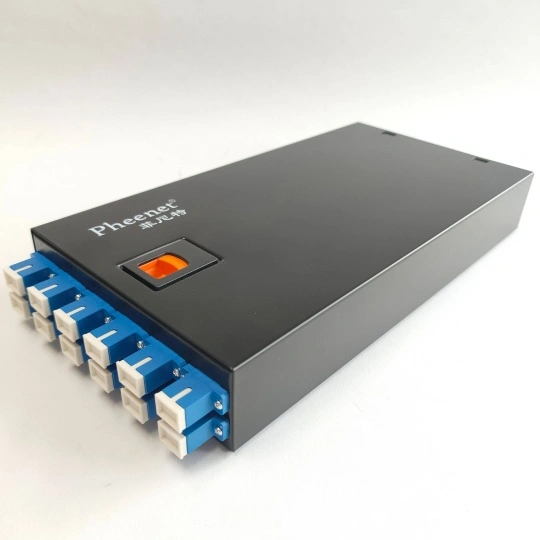
Quick-Install Cable Adapters

Quick-Install Cable Adapters

‌Product Overview‌Quick-Install Cable Adapters are the game-changing connectivity solution designed for professionals and DIY enthusiasts alike. Engineered to eliminate installation hassles, these adapters provide instant, tool-free conne.
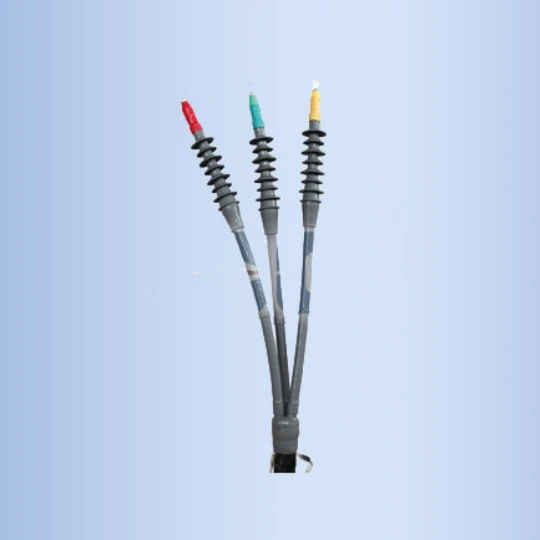
High-load cable terminations

High-load cable terminations

When it comes to electrical systems operating under extreme mechanical and electrical stress, ​high-load cable terminations are critical components that ensure seamless power transmission, safety, and system longevity. Engineered to .

Contact Us

Feel free to reach out to us for any inquiries or orders.

Call Us

Have a question? Give us a call!

+861881875005

Email Us

Send us an email and we'll get back to you soon.

sales@custom-cable-assemblies.com
       
Home Products Contact