Industrial Cable Assemblies factory

Industrial Cable Assemblies factory

Industrial Cable Assemblies-Industrial Cable Assemblies factory

INFO

Wind power systems operate in some of the planet’s most challenging environments—offshore platforms, deserts, mountainous regions, and icy tundras. These conditions demand robust infrastructure, and cable assemblies are no exception. As the backbone of energy transmission and control in wind turbines, cables must withstand extreme temperatures, moisture, UV exposure, vibrations, and chemical corrosion. This article explores ​environmental adaptation design strategies for cable assemblies in wind power systems, offering actionable insights for engineers, procurement teams, and maintenance professionals.


1. Why Environmental Adaptation Matters for Wind Power Cables

Wind turbines are exposed to:

  • Temperature extremes: From -40°C in Arctic regions to 50°C in desert climates.
  • Humidity and salt spray: Offshore installations face relentless moisture and corrosive saltwater.
  • Mechanical stress: Turbine vibrations and cable bending during installation/maintenance.
  • UV radiation: Prolonged sunlight degrades unprotected materials.

Failure to address these factors leads to insulation breakdown, signal interference, and costly downtime. For example, a study by Windpower Engineering & Development found that ​cable failures account for 15–20% of wind turbine downtime, emphasizing the need for resilient designs.

2. Key Design Strategies for Harsh Environment Cable Assemblies

A. Material Selection: Balancing Durability and Flexibility

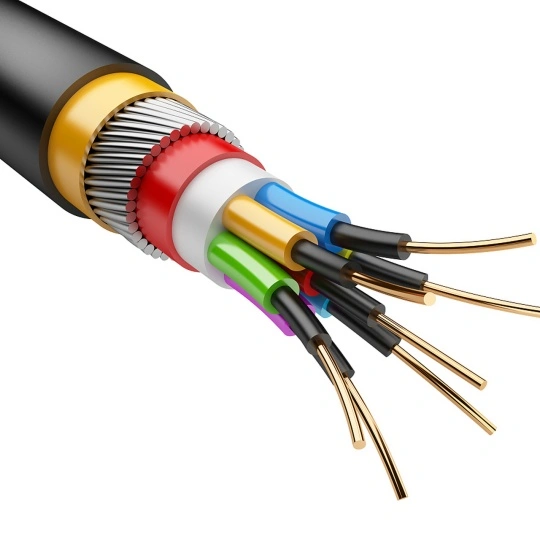
  • Insulation: Thermoplastic polyurethane (TPU) and cross-linked polyethylene (XLPE) resist temperature fluctuations and abrasion.
  • Jacketing: Halogen-free, flame-retardant materials like LSZH (Low Smoke Zero Halogen) enhance safety in fire-prone areas.
  • Shielding: Multi-layer aluminum or copper shielding minimizes electromagnetic interference (EMI) from nearby turbines.

Pro Tip: Offshore projects benefit from ​polyurethane (PUR) jacketing, which repels saltwater and resists hydrolysis.

B. Sealing and Connector Protection

  • IP68/IP69K-rated connectors: Prevent ingress of dust, water, and chemicals.
  • Overmolded junctions: Eliminate weak points where cables connect to terminals.
  • Corrosion-resistant coatings: Zinc-nickel alloys or epoxy layers protect metallic components in salty air.

Case Study: A German offshore wind farm reduced cable replacement costs by ​30% after switching to IP69K-rated connectors with silicone sealing.

C. Thermal Management Solutions

  • High-temperature conductors: Nickel-plated or silver-coated wires handle heat from internal turbine electronics.
  • Ventilated cable trays: Improve airflow to prevent overheating in nacelles.
  • Phase-change materials (PCMs): Absorb excess heat during peak loads.

3. Addressing Corrosion: The Silent Killer of Offshore Cables

Saltwater accelerates corrosion, especially in submerged or splash zones. Solutions include:

  • Stainless steel braiding: Adds mechanical strength while resisting rust.
  • Cathodic protection: Sacrificial anodes divert corrosive currents away from critical components.
  • Regular inspections: Ultrasonic testing detects early signs of pitting or galvanic corrosion.

Industry Insight: The International Electrotechnical Commission (IEC) standard ​IEC 60228-5 outlines corrosion-resistant requirements for submarine cables.


4. Testing and Certification: Validating Cable Performance

Reliable cable assemblies must pass rigorous tests:

  • Temperature cycling: Expose cables to -40°C to 125°C to simulate real-world conditions.
  • Salt spray testing: ASTM B117 evaluates corrosion resistance.
  • Flex life testing: Ensures cables endure repeated bending without cracking.

Look for certifications like ​UL 4703 (photovoltaic and wind turbine cables) or ​IEC 61439 (low-voltage switchgear).


5. Maintenance Best Practices for Longevity

  • Annual thermographic inspections: Identify hotspots caused by insulation wear.
  • Clean connectors regularly: Salt and dust buildup increases resistance and fire risks.
  • Monitor tension: Excessive pulling force during installation damages conductors.

FAQ

NEWS

More Products

Our factory offers high-quality products at competitive prices
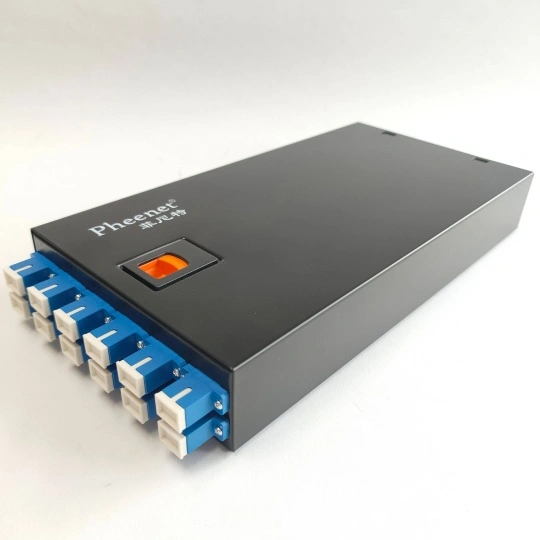
Industrial control cable module components

Industrial control cable module components

Meta Description: Discover high-performance industrial control cable module components designed for seamless automation, harsh environments, and superior connectivity. Explore specs, certifications, and applications. H2: Industrial Con.

Quick-Install Cable Adapters

Quick-Install Cable Adapters

‌Product Overview‌Quick-Install Cable Adapters are the game-changing connectivity solution designed for professionals and DIY enthusiasts alike. Engineered to eliminate installation hassles, these adapters provide instant, tool-free conne.
Contact Us

Feel free to reach out to us for any inquiries or orders.

Call Us

Have a question? Give us a call!

+861881875005

Email Us

Send us an email and we'll get back to you soon.

sales@custom-cable-assemblies.com
       
Home Products Contact